Tree Trimming vs. Tree Removal in Corpus Christi
If you're searching for tree trimming Corpus Christi services, you're probably trying to answer one simple question: Can this tree be made safer and healthier with trimming, or does it need to come down? This guide is written from the perspective of a local Corpus Christi outdoor-services team that regularly helps homeowners plan landscape work around mature trees in the Coastal Bend. We focus on practical, safety-first advice you can use right away, based on common issues we see here, salt air, strong winds, fast growth, and storm season.
Here's the quick, straight answer up front: Tree trimming fixes many problems (safety, shape, clearance, and health). Tree removal is for trees that are unsafe, dying, or in the wrong place, especially when they threaten homes, people, or power lines.
Understanding the Difference
What Is Tree Trimming?
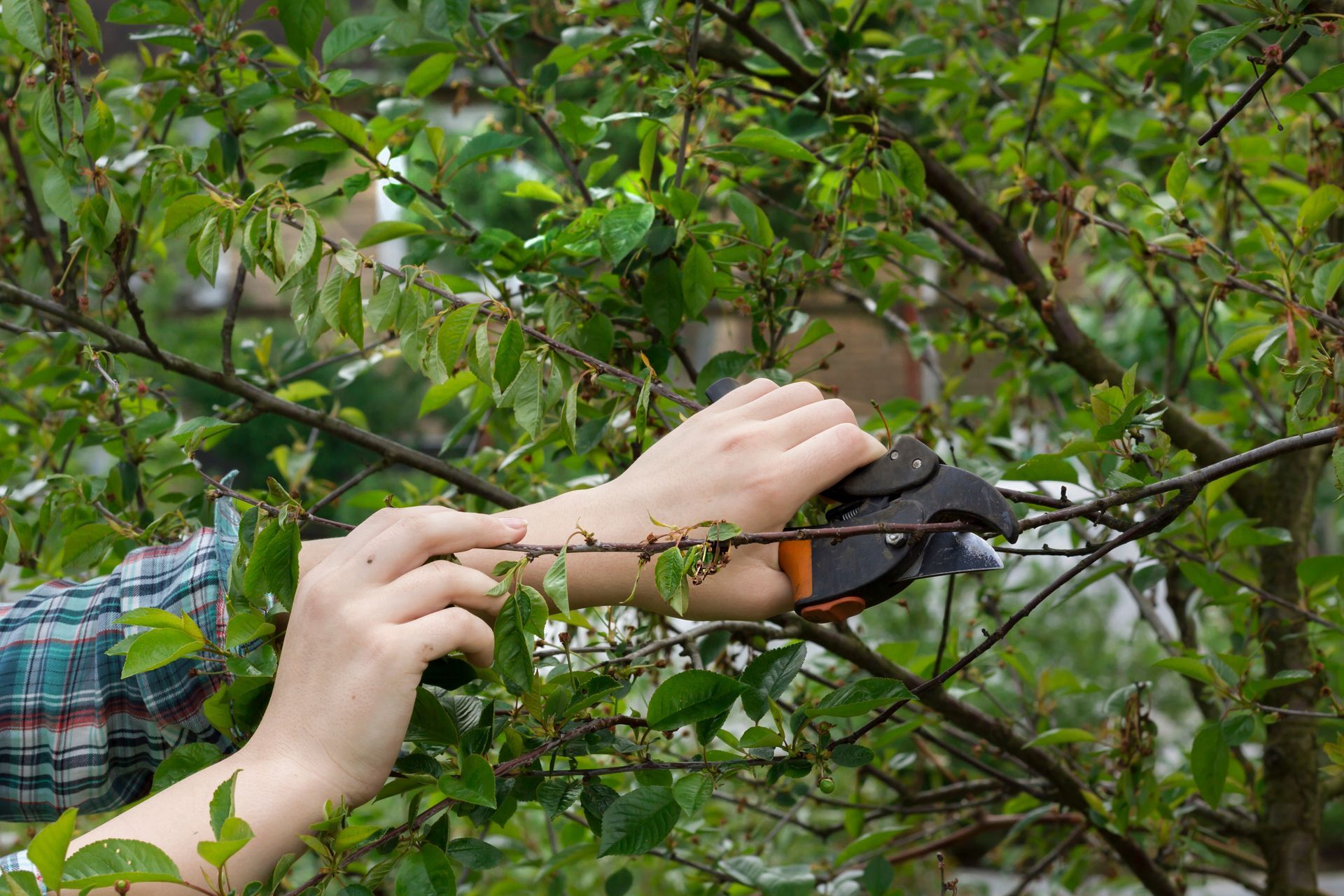
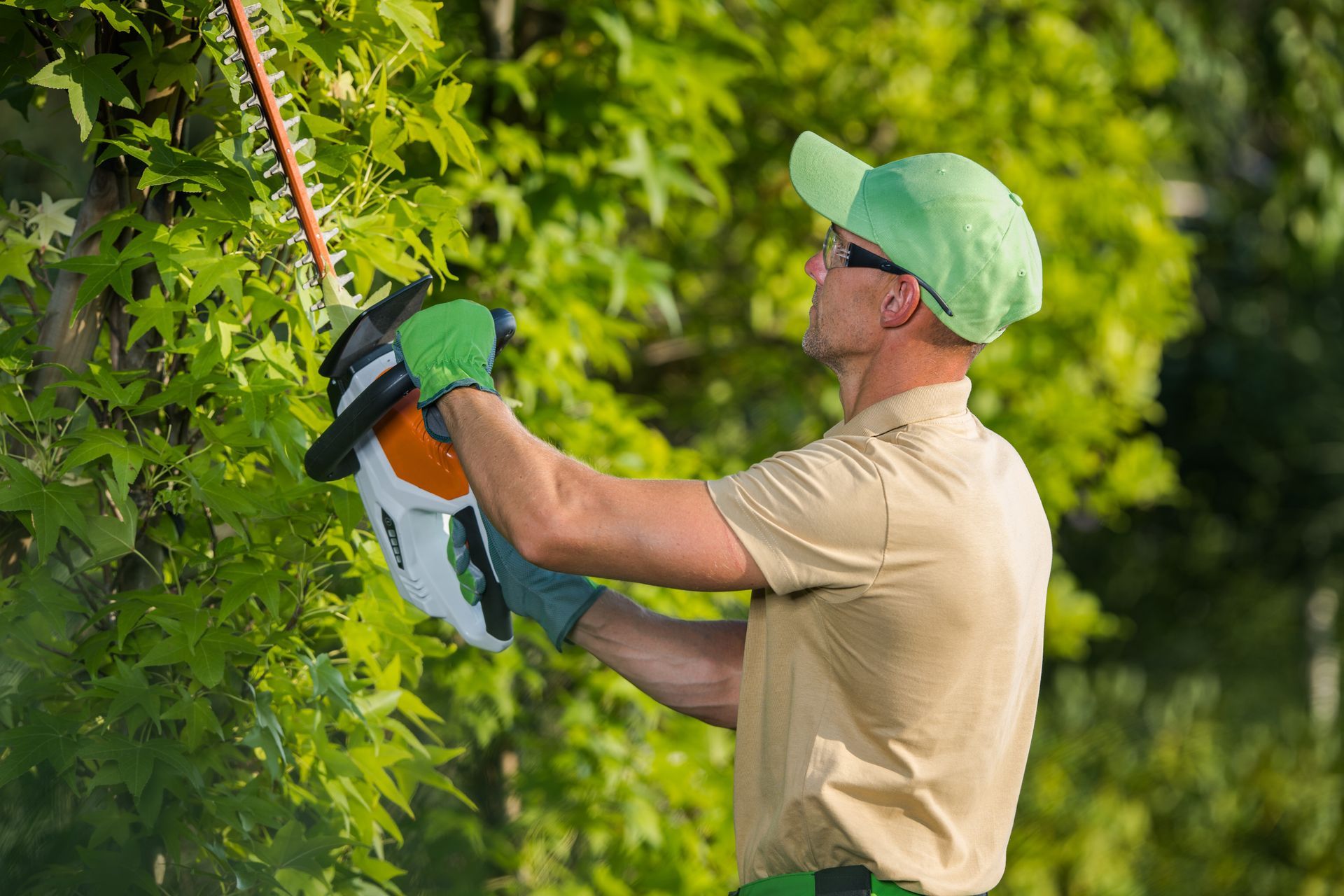
Tree trimming (often called tree pruning) is the careful cutting of branches to improve a tree's health, safety, and shape. In a professional tree pruning job, the goal is not to "cut it back a lot." The goal is to remove the right branches in the right way.
Common types of trimming you'll hear about in tree pruning Corpus Christi work include:
- Deadwood removal: taking off dead, weak, or broken branches
- Crown thinning: reducing density so wind passes through the canopy
- Canopy lifting: raising low limbs for walkways, driveways, or street clearance
- Tree shaping: guiding the structure for balance and long-term strength
In Corpus Christi, trimming is also a big part of storm damage tree trimming prevention. The best time to reduce risk is before a big storm is on the radar.
What Is Tree Removal?
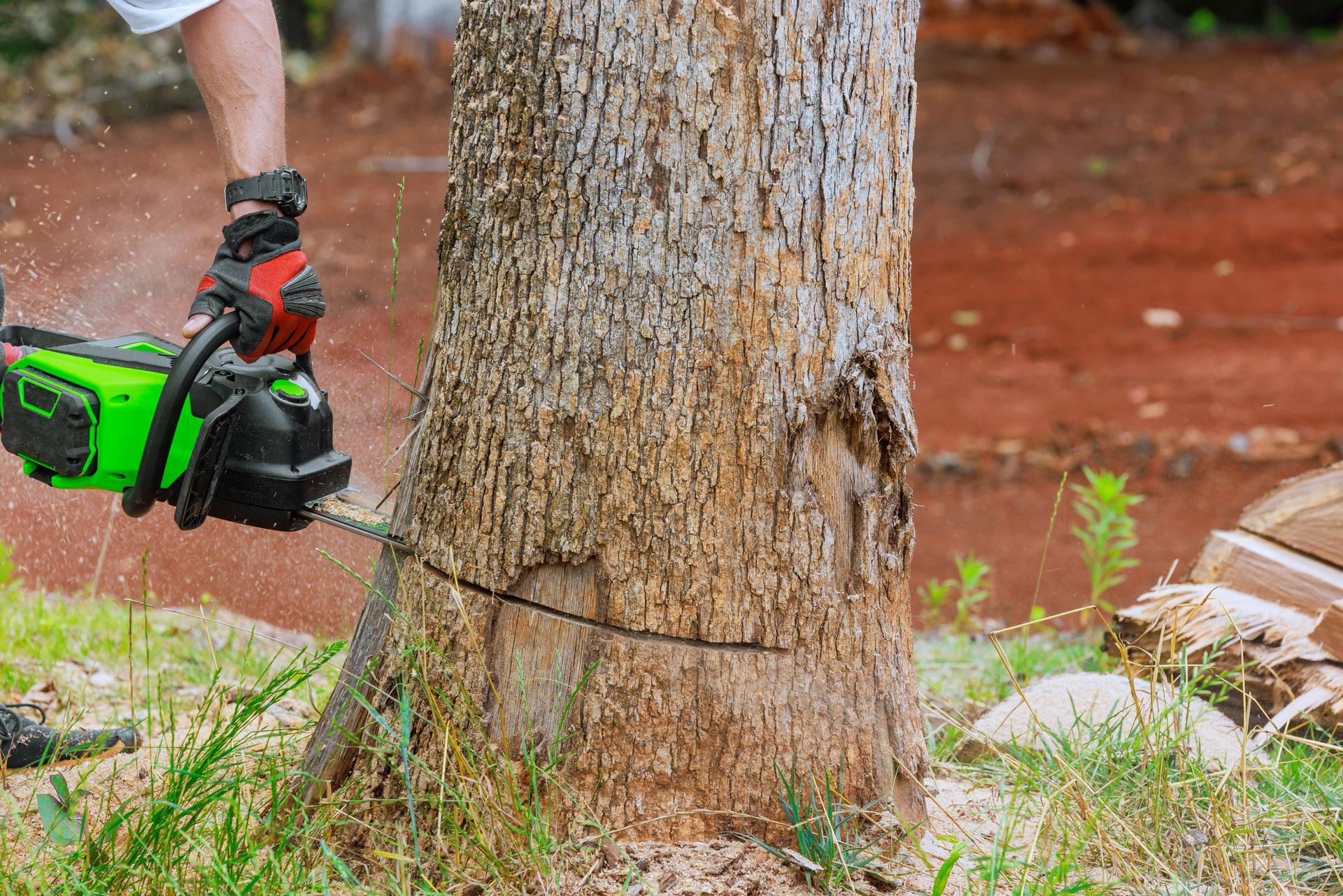
Tree removal means the tree is cut down and taken away in a controlled way. This can be a simple drop (rare in neighborhoods) or a careful piece-by-piece removal with ropes and rigging, especially near fences, roofs, and power lines.
Tree removal Corpus Christi projects often include:
- cutting and hauling debris
- chipping limbs
- cutting logs to manageable size
- optional stump removal (stump grinding)
Removal is usually a last step, not the first step, unless the tree is clearly unsafe.
Key Differences Between Trimming and Removal
Tree trimming is about keeping the tree and improving it. Tree removal is about eliminating a hazard or solving a bigger problem that trimming can't fix.
A simple way to think about it:
- Trimming is "repair and maintain."
- Removal is "risk is too high" or "the tree can't be saved."
When Is Tree Trimming the Right Choice?
Enhancing Tree Health and Growth
Good trimming supports healthy tree maintenance. It can help a tree put energy into strong limbs instead of weak, rubbing, or damaged branches. It can also reduce the chance of pests and decay spreading through broken wood.
Trimming often makes sense when:
- branches are rubbing and causing wounds
- there's deadwood in the canopy
- the tree is unbalanced and leaning due to uneven growth
- limbs are overextended and likely to crack in high winds
A skilled arborist tree trimming approach also focuses on the tree's structure, so it grows safer over time.
Improving Property Aesthetics and Safety
Most homeowners start looking for tree service Corpus Christi help because something feels risky or annoying:
- branches are hanging over the roof
- limbs block sidewalks or driveways
- trees scrape the house in wind
- you're getting constant leaf and branch drop in storms
Trimming can reduce those risks without removing the shade and beauty the tree provides. It can also protect your roof, gutters, fences, vehicles, and outdoor areas.
Common Scenarios for Tree Trimming in Corpus Christi
Corpus Christi has its own set of common tree-care problems. Trimming is often the right move for:
Wind exposure and storm prep
- Crown thinning and removing weak limbs can reduce wind resistance.
- Removing long, heavy limbs over the home lowers the chance of breakage.
Fast-growing trees
- Some local species put on growth quickly and need regular canopy trimming to stay safe.
Palm-specific needs
- Palm tree trimming Corpus Christi work is different from hardwood pruning.
- Palms should not be "over-trimmed" for looks. Removing too many fronds can stress the palm and invite problems.
Clearance issues
- Canopy lifting for vehicle access, street clearance, and line-of-sight around corners.
If you're dealing with overgrowth, "line clearing" issues, or branches that keep dropping, trimming is usually step one.
When Tree Removal Becomes Necessary
Signs a Tree May Be Dangerous or Dying
Sometimes trimming won't fix the real problem. Here are common signs a tree should be removed, especially if more than one is true:
- Large cracks in the trunk or major limbs
- Mushrooms or fungal growth at the base (often a sign of internal decay)
- A hollow trunk or soft, punky wood
- Big dead sections in the canopy (not just a few dead branches)
- The tree is suddenly leaning more than it used to
- Soil lifting or cracking around the base (root failure warning)
- Major storm damage where the main structure is split
A tree can look "fine" on the outside and still be unsafe inside. If you're not sure, this is where a certified arborist services inspection matters.
Tree Removal for Construction or Landscaping Projects
Removal isn't always about disease. Sometimes the tree is simply in the wrong spot.
Removal may be the best choice when:
- roots are damaging foundations, driveways, or plumbing
- the tree is too close to the house for long-term safety
- the trunk is inside a future build zone (patio, pool, addition)
- the tree blocks needed drainage or grading work
In those cases, you may choose removal to protect the project and prevent future repair costs. If you're planning new landscape design and installation, our team can help you assess which trees stay and which should go.
Risks of Keeping Hazardous Trees
Keeping a risky tree can lead to:
- property damage (roof, fence, vehicles)
- injuries to people or pets
- power outages or electrical danger
- higher costs later if the tree fails in a storm
If a tree is likely to fail, removal is often safer and sometimes less expensive than waiting for an emergency.
Factors to Consider Before Making a Decision
Tree Age, Health, and Species
Not all trees handle trimming the same way. Some respond well to pruning and bounce back fast. Others stress easily.
A few things that matter:
- the tree's overall health and leaf coverage
- how much deadwood is present
- prior "bad cuts" (like topping) that weakened structure
- pest pressure and recurring disease issues
If a tree has strong roots, a solid trunk, and most of the canopy is healthy, trimming and tree shaping are often worth it.
Proximity to Structures, Power Lines, or Public Areas
Location changes everything. The closer a tree is to something important, the higher the risk, and the more skilled the work needs to be.
Watch for:
- limbs over the roofline
- trees near windows or parked cars
- branches over sidewalks or neighbor property
- contact or near-contact with power lines
For power lines: don't DIY it. If branches are near energized lines, the safest route is to contact the utility and/or hire a qualified tree crew trained for that kind of work.
Local Tree Regulations in Corpus Christi
Rules can come into play depending on where the tree sits.
You may need extra steps if:
- the tree is in a city right-of-way (near curb or sidewalk)
- your neighborhood has an HOA
- removal affects shared fences or neighbor property lines
A good local pro will help you understand what applies to your property before work begins.
Professional Services in Corpus Christi
Why Hire a Certified Arborist
Tree work looks simple until it isn't. Proper pruning cuts, safe rigging, and hazard checks take training.
An arborist (especially one with recognized credentials) can help:
- diagnose health vs. structural problems
- recommend trimming that keeps the tree stable long-term
- avoid cuts that invite decay
- decide if removal is truly needed
If you're comparing bids, ask what pruning standard they follow and how they plan to protect the tree (and your property) during the job.
Tree Trimming vs. Tree Removal Costs
Costs vary a lot, but the pattern is consistent:
- Trimming is usually less expensive than removal.
- Removal typically costs more because it's higher risk and involves heavier labor, hauling, and often more equipment.
- Stump removal is usually an added cost (and it's often worth it if you want to replant or keep the area clean).
Common cost drivers for both:
- tree height and canopy spread
- how close it is to structures
- access to the backyard (tight gates, soft ground, steep areas)
- debris volume and haul-off
- risk level (especially near roofs and lines)
When you're getting estimates, focus on scope and safety steps, not just the final number. After removal, many clients opt for stump grinding to prepare the area for new plantings or turf.
Seasonal Considerations for Tree Work in the Coastal Bend
People often ask when to trim trees in Texas. The best timing depends on tree type, health, and weather patterns, but here are solid guidelines for Corpus Christi:
- Proactive trimming before storm season can reduce breakage risk, especially deadwood removal and balancing heavy limbs.
- Avoid extreme pruning during peak heat when trees are already stressed.
- Light maintenance trimming can be done many times of the year if cuts are correct and not excessive.
- Some species have timing considerations (like when insects or disease spread more easily). When in doubt, ask a local arborist what's best for your specific tree.
The big takeaway: don't wait until branches are already failing. Regular trimming is a safety plan, not just a cosmetic one.
Making the Right Choice for Your Trees
Consulting a Local Tree Expert
If you're on the fence between trimming and removal, a simple evaluation can save you money and stress.
A solid assessment looks at:
- canopy health (how much is alive and thriving)
- trunk condition (cracks, cavities, rot signs)
- root zone stability (soil movement, root damage)
- target risk (what the tree could hit if it fails)
For many homeowners, the outcome is a clear plan: trim now, monitor yearly, and remove only if the risk increases.
Balancing Safety, Budget, and Long-Term Goals
Your "right choice" depends on what you value most:
- If you want shade and curb appeal, trimming is often the best path.
- If you want zero risk near the home, removal may be the smarter move for a questionable tree.
- If you're planning a remodel or new outdoor project, removal might fit the bigger plan.
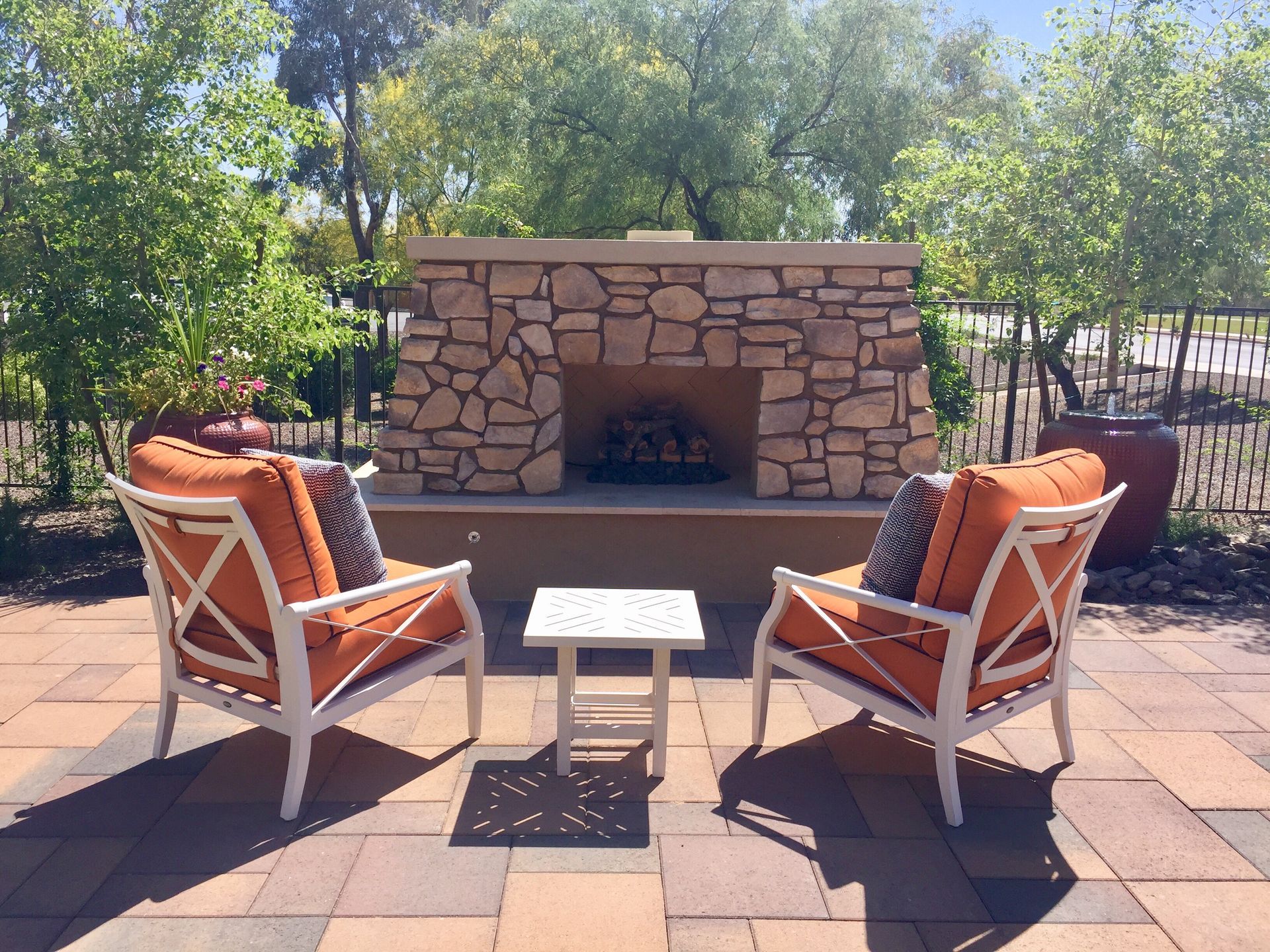
A good approach is to treat trees like long-term assets. Strategic pruning and growth management can keep them safer and healthier for years. If you're working on landscape design or planning features like paver patios or outdoor kitchens, tree placement and health become critical elements of your overall plan.
Conclusion
Preserving Your Landscape and Property Value
In most cases, tree trimming in Corpus Christi is the first and best step to improve safety, protect your home, and keep trees healthy. It covers things like crown thinning, canopy trimming, deadwood removal, and clearing problem limbs, without losing the benefits of shade and beauty.
But when a tree is dying, unstable, severely damaged, or too risky for its location, tree removal in Corpus Christi becomes the safer call.
If you're unsure which you need, focus on the goal: reduce risk and protect the value of your property, while keeping healthy trees whenever you can. Our team provides comprehensive landscaping services throughout the Corpus Christi area, including Portland, Rockport, and Aransas Pass.
Frequently Asked Questions