
Weed Control in Corpus Christi: What to Do Before Spring Hits
If you want Corpus Christi weed control that actually works, the most important work happens before spring weeds show up. At CC Lawn Pros, we care for warm-season lawns all over the Coastal Bend, especially St. Augustine, Bermuda, Zoysia, and Centipede, and we see the same pattern every year: once weeds are visible, you're already playing catch-up. This guide gives you the clear, practical steps to prevent weeds early, then explains how to clean up anything that slips through.
Why "Before Spring" Is the Best Time to Stop Weeds in Corpus Christi
Most spring weeds don't "appear overnight." They start as seeds in the soil, then germinate when conditions are right.
Here's the straight answer: preventing weeds is easier, cheaper, and more effective than killing mature weeds later.
- Many weeds are established before you see them. By the time they're noticeable, they already stole water, nutrients, and space from your grass.
- Prevention and control are different jobs. Pre-emergents help stop weeds from sprouting. Post-emergents help kill weeds that are already up.
- Early action sets your lawn up for the whole season. A thicker, healthier lawn crowds out new weeds, so you fight fewer battles all spring and summer.

Know Your Enemy: The Weeds That Show Up First in Coastal Bend Lawns
Different weeds show up at different times. If you know what you're dealing with, you can choose better products and better timing.
Winter Weeds That Linger Into Early Spring
These often start during cooler months and hang around as temperatures rise. You might see them in thin areas, along edges, or where the lawn stays damp.
Common signs:
- Small broadleaf weeds spreading low to the ground
- Clumps or patches that look different from your turf
- Weeds popping up in beds and along sidewalks
Early Spring Germinators to Watch For
As the soil warms, grassy weeds and fast-growing broadleaf weeds can take off quickly, especially in sunny areas and lawns that were stressed last summer.
If your lawn had weeds last year, the soil likely has more weed seed waiting. That's why weed prevention in Corpus Christi is mostly about timing.
Grassy vs Broadleaf Weeds: Why It Matters
This part is simple but important:
- Grassy weeds often require different herbicides than broadleaf weeds.
- Broadleaf weed control can be easier if you treat early and choose a selective product.
- Some products that work great in Bermuda can damage St. Augustine, so grass type matters.
If you're unsure what you have, take a clear photo before treating. Misidentifying weeds is a top reason treatments fail.
Pre-Emergent Herbicides: The Foundation of Spring Weed Control
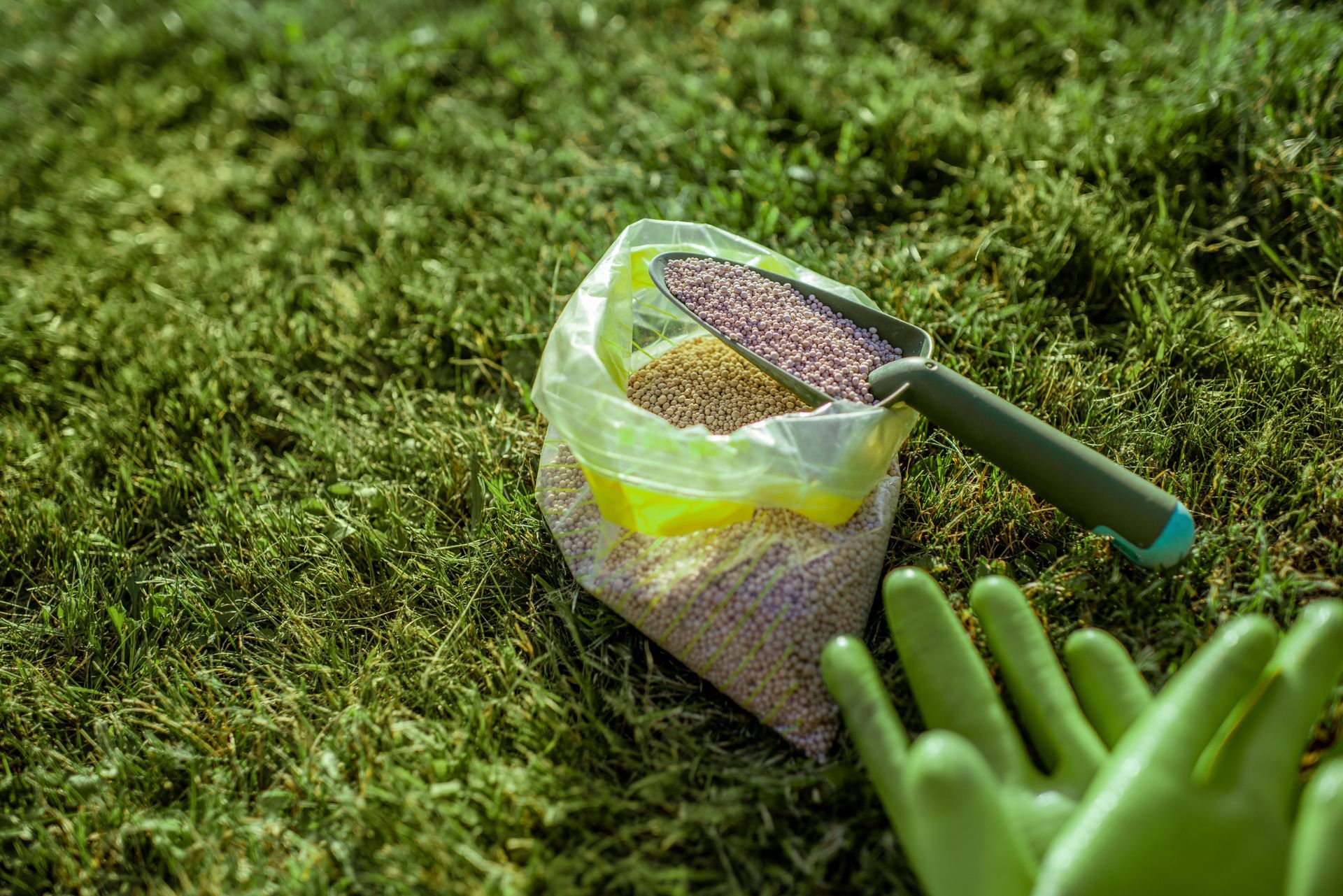
A pre-emergent is your "weed shield." It creates a barrier in the soil that helps stop weed seeds from sprouting.
What Pre-Emergent Does (and What It Doesn't Do)
Pre-emergent herbicides:
- Help prevent germination of many common weeds
- Reduce the number of weeds you see later
Pre-emergent herbicides do not:
- Kill weeds that are already growing
- Fix thin turf or poor drainage
Results come down to timing and correct application. If it goes down too late, weeds may already be sprouting.
When to Apply Pre-Emergent in Corpus Christi
The best trigger is soil temperature, not the calendar. Many spring weeds start germinating when soil temps hover around 50–55°F.
What that means for you:
- Watch for warming trends in late winter
- Apply before weeds begin to pop, not after
- Warm, sunny stretches can move the window earlier than expected
If you apply too early, the product may wear off before peak germination. If you apply too late, you'll still get weeds.
Watering It In: The Step Most Homeowners Miss
Most pre-emergents need water to "activate" and move into the top layer of soil.
Good rule of thumb:
- Plan to water it in with irrigation or rainfall soon after application
- Avoid heavy runoff that washes product away
- Don't leave it sitting dry for too long, or you may not get full results
If you skip this step, you can do everything else right and still see weeds. This is also a good time to check that your irrigation system is working correctly, uneven coverage is a common reason pre-emergent results are patchy.
How Long It Lasts and When a Second Application Helps
Pre-emergent doesn't last forever. Many lawns do best with a split application approach:
- One application ahead of early spring germination
- A follow-up later to extend coverage through the season
This is especially helpful if your yard has a history of heavy weed pressure, thin turf, or lots of sun.
Post-Emergent Treatments: Cleaning Up What's Already There
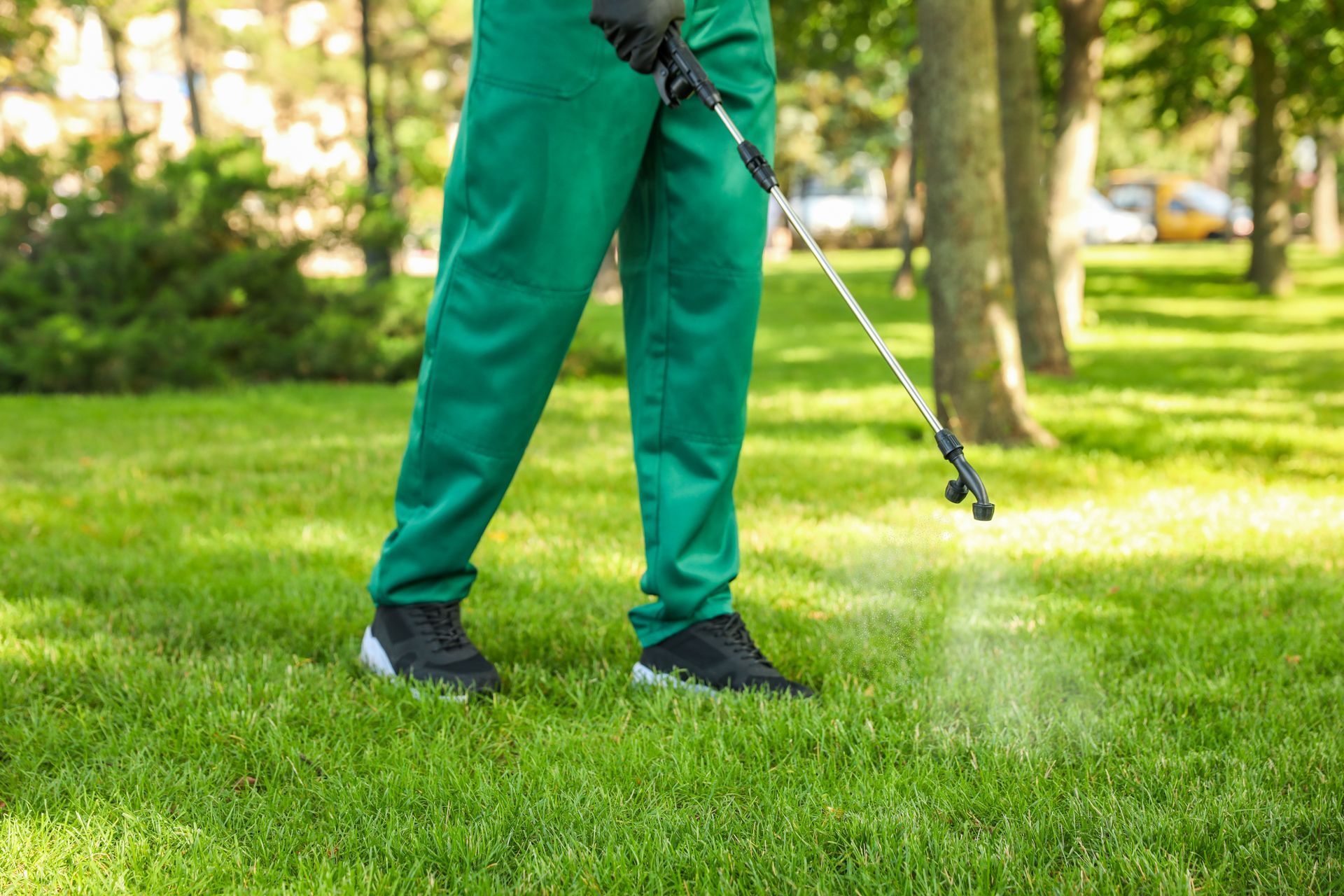
Even with good prevention, a few weeds can sneak through. That's where post-emergent weed control comes in.
When Post-Emergent Is the Right Move
Use post-emergent when:
- Weeds are already visible
- You need spot treatment in problem areas
- You missed the pre-emergent window or had unusual weather
For lawns, look for selective herbicides that target weeds without damaging your turf. Beds and hardscape cracks may require different approaches than grass areas.
Best Practices for Effective Control
Post-emergents work best when weeds are actively growing and your lawn isn't stressed.
Helpful habits:
- Avoid treating during temperature extremes
- Apply on a calm day to avoid drift
- Don't mow right before or right after treatment (mowing can reduce how well the product sticks and absorbs)
- Follow the label closely for your grass type, especially with St. Augustine weed control
Also, don't expect overnight results. Many products take several days to show full effects.
Why Some Weeds Keep Coming Back
If weeds return again and again, it's usually one (or more) of these issues:
- The lawn is thin, so weeds have space to grow
- The wrong product was used for the weed type
- Coverage was uneven
- Treatments happened at the wrong time
- The lawn is stressed from mowing too short, poor watering, or compacted soil
Weed control is part product and part lawn health.
Weed-and-Feed: When It Helps and When It Hurts
Weed-and-feed products can be useful, but they're not always the best solution for pre-spring weed control.
The Real Role of Weed-and-Feed in a Lawn Program
Weed-and-feed is best viewed as a support tool, not the foundation of your plan.
In many cases:
- Pre-emergent is your main prevention step
- Weed-and-feed can help with minor broadleaf weeds and feeding, when timed correctly
The big risk is applying fertilizer before your grass is ready to grow strongly.
Timing Considerations for Corpus Christi Lawns
Warm-season grasses typically respond best to fertilizer when they're actively growing. If you feed too early:
- You may push weak growth
- You can stress the lawn during cool swings
- You might encourage certain weeds if your turf is still dormant or thin
A better approach is matching fertilizer timing to your turf's growth pattern and focusing on weed prevention early. For a full breakdown of when to feed warm-season grasses in Texas, see our guide on when to fertilize your yard in Texas.
Granular vs Liquid Applications
Both can work, but they do different jobs well.
- Granular products are common for pre-emergent and weed-and-feed, but need proper spreading and watering in.
- Liquid applications can be great for targeted control and even coverage when applied correctly with a calibrated sprayer.
The "best" option depends on your lawn, your equipment, and the weeds you're targeting.
Lawn Practices That Make Weed Control Work Better
The healthiest lawns usually have fewer weeds. If you want better results from any product, start here.
Mowing Height and Frequency
Mowing too short is one of the fastest ways to invite weeds.
- Taller grass shades the soil and helps block weed germination
- Scalping weakens turf and opens space for weeds
- Consistent mowing keeps grass dense, which crowds weeds out
If you're battling weeds, raising mowing height a little can make a noticeable difference. Our guide on how often to mow your lawn covers the right frequency for Coastal Bend grasses through the season.
Watering and Irrigation Habits
Weeds love inconsistent watering. A better plan:
- Water deeper and less often (when your lawn needs it)
- Avoid frequent, shallow watering that keeps the surface damp
- Fix overspray or broken heads that create soggy spots
Moist, thin areas are prime zones for weeds.
Fertilization Timing and Soil Health Basics
Feeding at the right time helps your lawn thicken up and compete better.
- Dense turf = fewer open spots for weeds
- Overfertilizing or fertilizing too early can backfire
- Soil issues (compaction, poor drainage) can keep turf thin and stressed
If your lawn struggles every year, it may need more than just weed killer. A professional lawn fertilization program can address both nutrition and timing in a way that makes your weed control go further.
Avoid These Mistakes After Applying Pre-Emergent
Once pre-emergent is down, you don't want to disturb that soil barrier. Try to avoid:
- Aerating right after application
- Heavy raking or dethatching that breaks the barrier
- Digging and trenching in treated zones
If you must disturb soil, plan around your application timing.
A Practical Pre-Spring Game Plan for Corpus Christi
Here's a simple way to pull it all together before spring hits.
Late Winter Lawn Checklist
- Mow consistently and avoid scalping
- Clean up leaves and debris so products reach the soil
- Check irrigation coverage and fix obvious issues
- Identify thin areas where weeds always start first
This is the "set the stage" step for better results.
Application Window Strategy
- Apply pre-emergent based on warming soil temps, not a random date
- Time watering so the product activates properly
- Consider a split application if weeds are a yearly problem
If you're unsure about timing, this is where many homeowners search "weed control services near me" because the window can be easy to miss.
What to Expect Over the Next Few Weeks
If you did it right:
- You'll see fewer new weeds pop up
- Existing weeds may still need spot treatment
- Your lawn should transition into spring with less competition
Success early in the season looks like "quiet soil" and a lawn that fills in evenly.
When to Call a Pro for Weed Control in Corpus Christi
Consider professional help if:
- Weeds are widespread and mixed (grassy + broadleaf)
- Your lawn is thin and weeds return quickly after treatment
- You have St. Augustine and you're worried about using the wrong product
- Drainage issues keep parts of your yard constantly weedy
- You want a consistent, seasonal approach instead of one-off sprays
A structured plan usually beats random treatments every time.
Wrap-Up: Stop Spring Weeds Before They Start
The best Corpus Christi weed control plan is built around prevention. Get pre-emergent timing right, water it in, avoid disturbing the soil barrier, and support it with good mowing and watering habits. Then use post-emergent treatments to clean up what slips through.
If you want the simplest path to fewer weeds this spring, focus on prevention first, because once spring hits, the weeds won't wait.
Frequently Asked Questions