
What Is Artificial Turf vs. Natural Grass?
If you want the quick answer, artificial turf is a man-made surface built to look like real grass, while natural grass is a living lawn that grows in soil and needs regular care. AtCC Lawn Pros, we work with outdoor spaces, lawn upgrades, and turf projects in Corpus Christi, so we understand the real-world pros and cons homeowners think about before choosing one surface over the other. That local, hands-on experience matters because the best choice is not just about looks. It is also about maintenance, water use, comfort, budget, and how you plan to use your yard.
Many homeowners compare artificial turf vs natural grass because they want a lawn that looks good, fits their lifestyle, and makes sense for the climate. Some want a low-maintenance lawn with less mowing and watering. Others prefer the feel and natural character of living grass. Both options have strengths, and both come with tradeoffs.
This guide breaks down what artificial turf is, how it compares to natural grass, and which option may be better for your yard inCorpus Christi.
Artificial Turf vs. Natural Grass at a Glance
Artificial turf and natural grass may look similar from a distance, but they are very different surfaces.
Artificial turf is a synthetic lawn made from plastic-based turf fibers attached to a backing layer. It is installed over a prepared base and often includes infill materials such as sand or other stabilizing products. It is designed to stay green year-round and reduce routine lawn maintenance.
Natural grass is a living surface that grows from soil. It needs sunlight, water, nutrients, and regular care to stay healthy. A natural lawn changes with the seasons, weather, and how well it is maintained.
At a basic level, the biggest difference is this:
| Surface | What It Is | Main Benefit | Main Tradeoff |
|---|---|---|---|
| Artificial Turf | A synthetic turf system made to look like grass | Low routine maintenance | Higher upfront cost and heat retention |
| Natural Grass | A living lawn that grows in soil | Natural look and feel | Ongoing mowing, watering, and upkeep |
For homeowners, the decision often comes down to what matters most: convenience, comfort, appearance, long-term value, or environmental concerns.
What Is Artificial Turf?
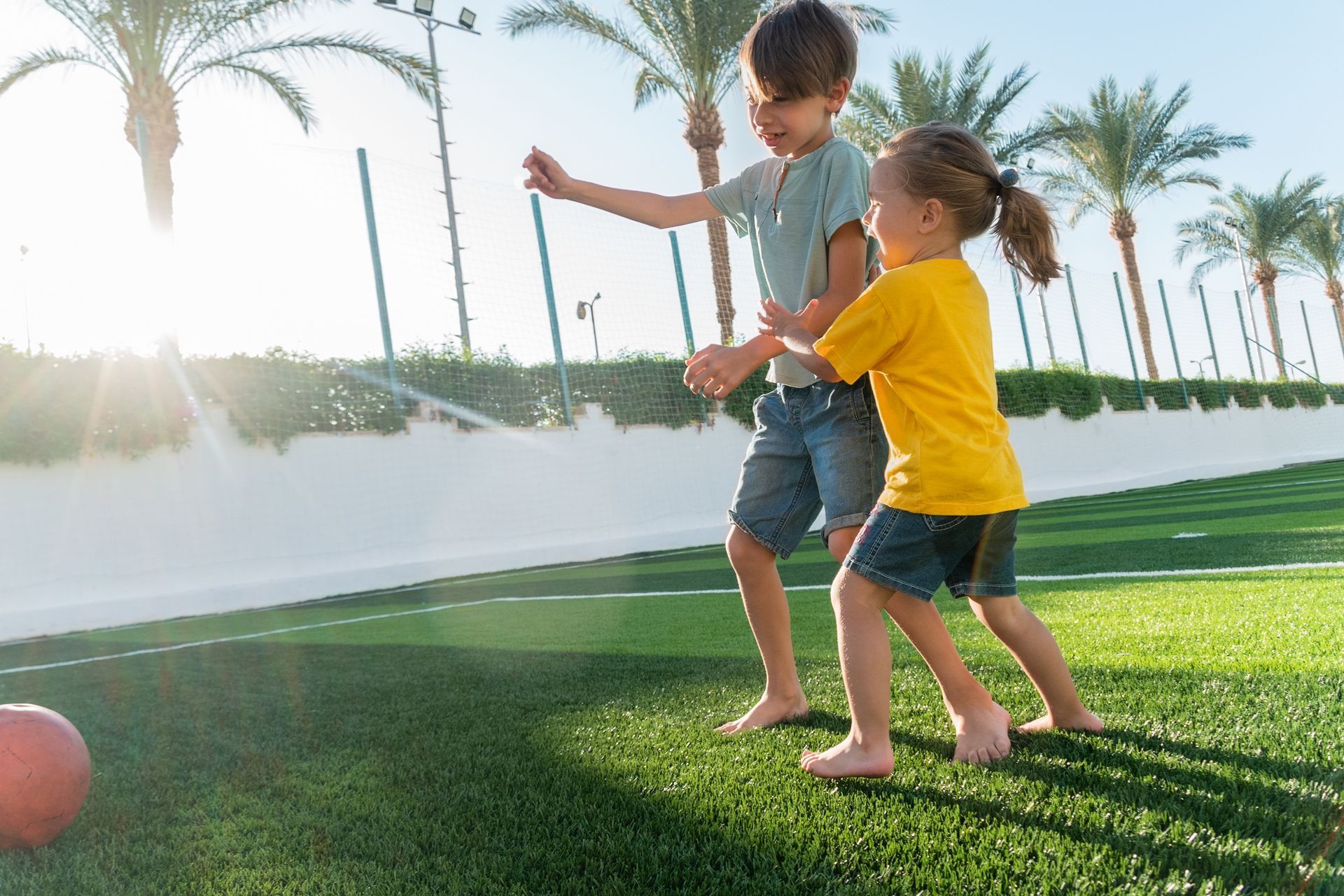
Artificial turf, also called synthetic turf, synthetic grass, fake grass, or artificial grass, is a surface made from man-made materials that are designed to look like real grass. It is used in residential yards, sports fields, playground turf areas, pet-friendly turf spaces, and commercial landscapes.
Most artificial turf systems include:
- Turf fibers made from materials like polyethylene, polypropylene, or polyamide
- A backing layer that holds the fibers in place
- Infill to support the blades and help with stability
- A base layer that supports drainage and installation performance
Modern artificial turf is designed to be durable, weather resistant, and visually neat. It can be used as a lawn replacement where homeowners want a year-round green lawn without mowing, watering, or fertilizing the way natural grass requires.
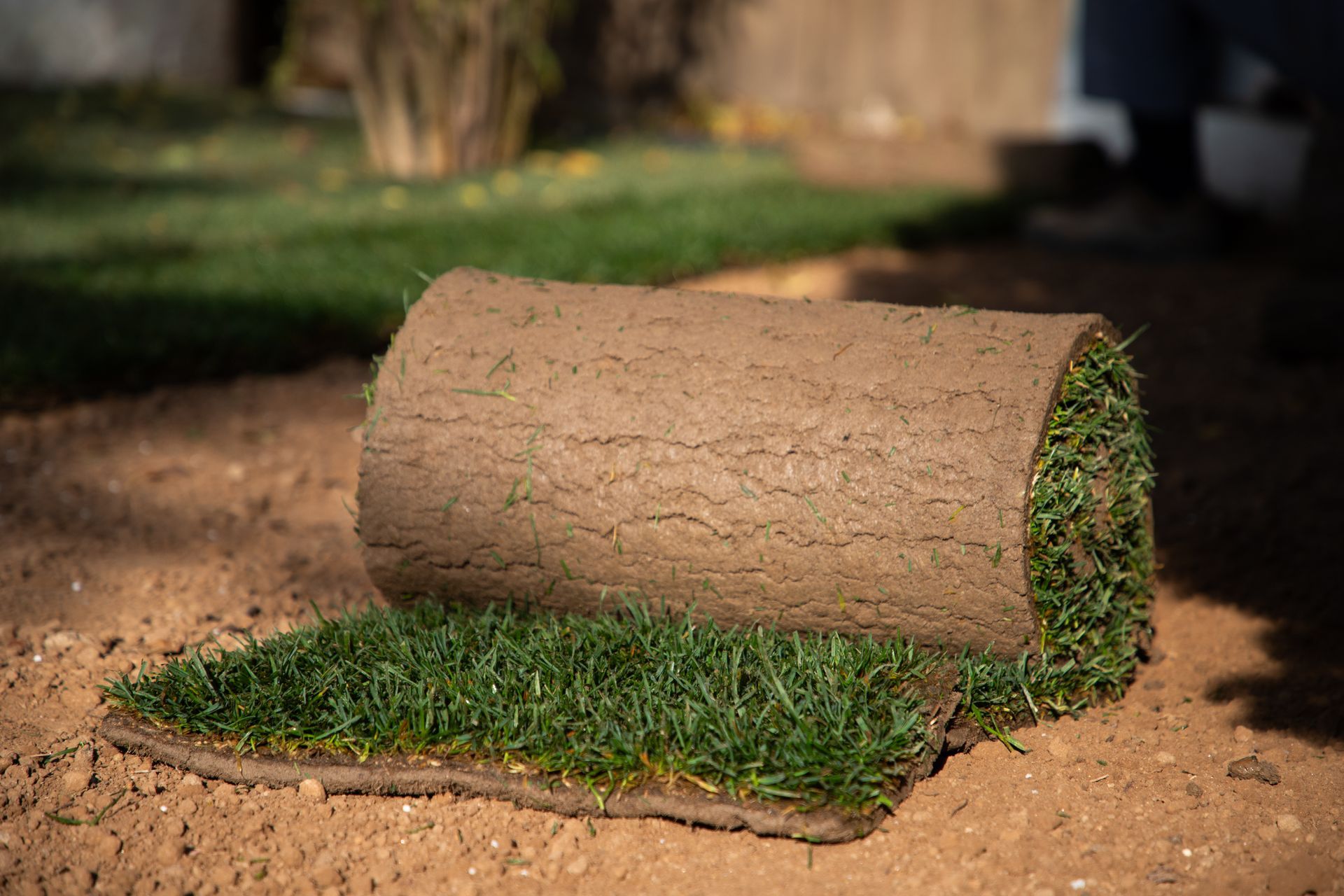
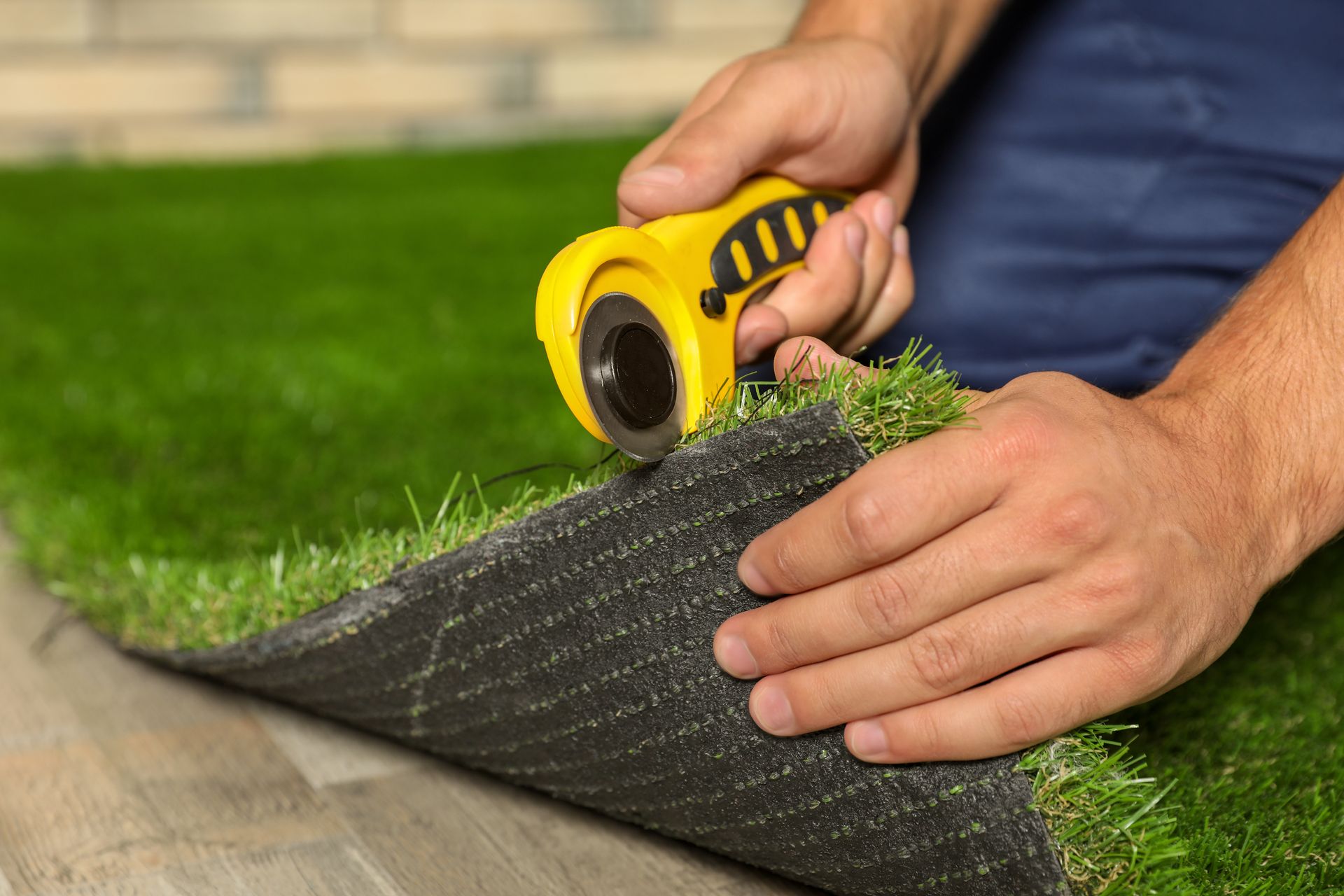
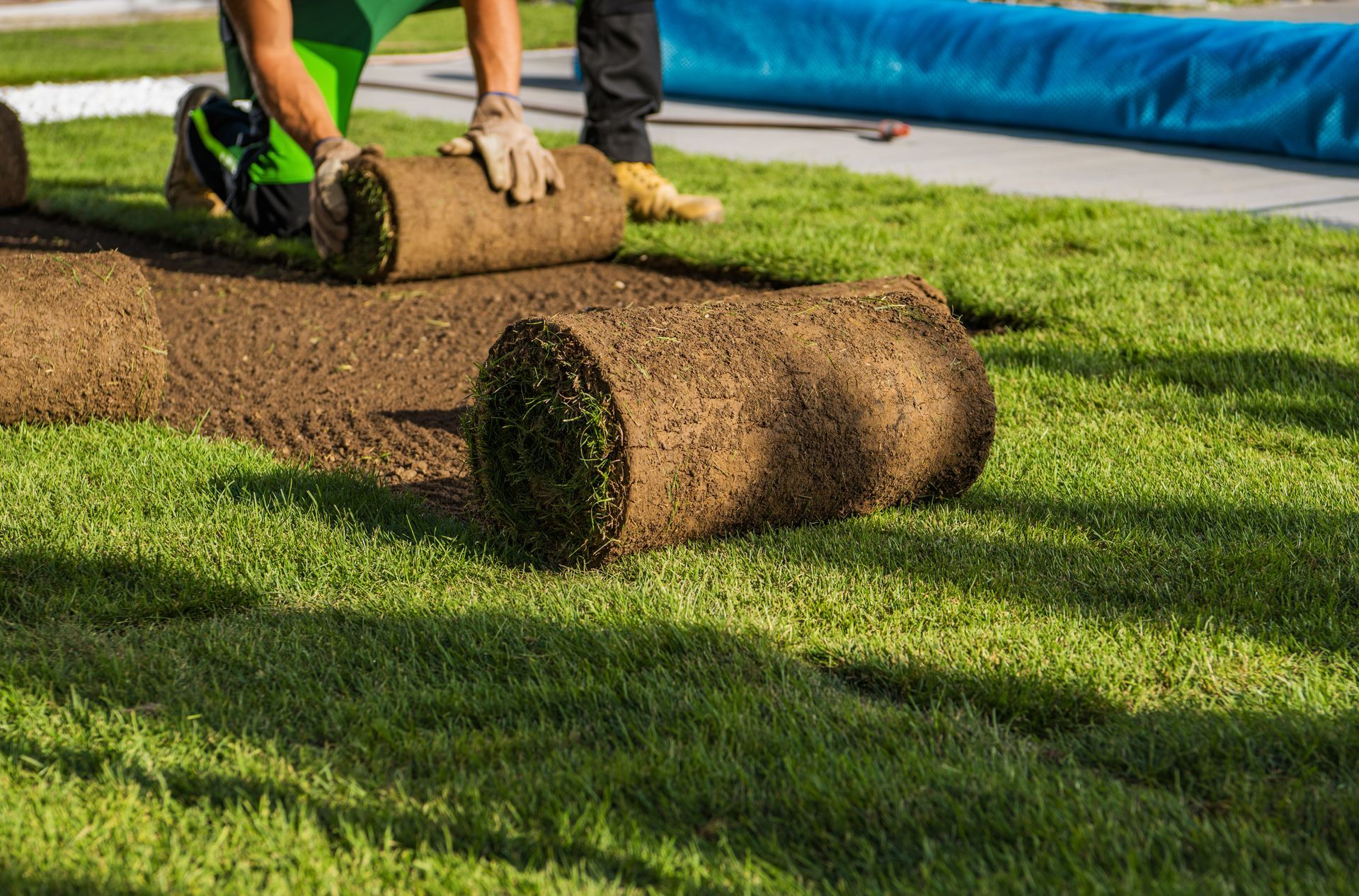
Artificial turf installation usually involves clearing the area, grading the ground, building a compacted base, adding the turf, securing seams, and brushing in infill. It is more complex than simply rolling out a surface, which is why professional artificial turf installation is often the better route for long-term results.
What Is Natural Grass?
Natural grass is a living lawn system. It grows in soil, develops roots, and changes over time based on sunlight, water, temperature, and care. Unlike synthetic lawn products, natural grass is alive, which means it can recover, spread, and respond to the environment.
Homeowners often choose natural grass because it offers:
- A softer and more natural feel underfoot
- A traditional lawn look
- Cooling benefits compared with hotter synthetic surfaces
- A living landscape that many people simply prefer
At the same time, natural grass needs regular lawn maintenance. That includes mowing, watering, fertilizing, weed control, and seasonal care. It can also thin out, turn brown, or wear down under heavy foot traffic.
Natural grass can look beautiful, but it usually takes more time and work to keep it that way. If you are comparing real grass upkeep with a synthetic lawn, our guide on how often to mow lawn in Corpus Christi can help show what routine maintenance looks like.
Key Differences Between Artificial Turf and Natural Grass
Appearance and Feel
Artificial turf is designed to stay green and neat in nearly all seasons. It gives a clean, polished appearance that many homeowners like, especially if they want a uniform yard. However, even high-quality residential turf can still feel different from real grass.
Natural grass has a look and feel that many people consider more authentic. It can be soft, cool, and pleasant underfoot when healthy. But it may also show brown spots, wear patterns, or uneven growth if conditions are poor.
Maintenance Requirements
This is one of the biggest differences in the turf vs grass debate. Artificial turf usually needs less routine care. There is no mowing, no watering for growth, and no fertilizing. Basic turf cleaning, brushing, debris removal, and occasional rinsing are still needed, but the maintenance load is much lower.
Natural grass needs ongoing attention. You have to mow it, water it, feed it, and manage weeds and pests. For some homeowners, that is a downside. For others, it is part of having a real lawn.
Water Use
Artificial turf supports water conservation because it does not need irrigation to stay green. That can be a major benefit in hot areas or places where homeowners want low water landscaping.
Natural grass usually needs regular watering, especially during dry or hot periods. In warm climates, water use can become a major factor in long-term lawn costs. If you are trying to make natural grass more efficient, a smart drainage and irrigation system can help manage water more effectively.
Durability and Foot Traffic
Artificial turf handles heavy foot traffic well. That is one reason it is used on sports turf, sports fields, and active family yards. It does not get muddy in the same way real grass can, and it often holds up better in high-use areas.
Natural grass can wear out in spots that get a lot of traffic. Pets, kids, and repeated activity can create thin areas, dirt patches, and uneven growth.
Seasonal Performance
Artificial turf keeps the same general look year-round. It does not go dormant, and it does not need seasonal mowing. That consistency is a big reason some homeowners choose it.
Natural grass changes with the weather. It may grow fast in one season and slow down or go dormant in another. That seasonal change is normal, but it also means appearance can vary throughout the year. For colder months, see our article on winter lawn care in Corpus Christi.
Installation and Upfront Cost
Artificial turf installation usually costs more upfront than establishing natural grass. The materials, site prep, base work, and labor can make synthetic lawn projects a bigger first investment.
Natural grass often has a lower starting cost, especially if you seed or sod a yard. But the long-term cost of mowing, watering, fertilizing, and repairs can add up over time.
Pros of Artificial Turf
Artificial turf has become popular for good reason. For many homeowners, the biggest advantage is convenience.
The main benefits include:
- Little to no mowing
- No watering for growth
- No fertilizing
- A year-round green lawn
- Better performance in high-traffic areas
- Cleaner appearance in many weather conditions
- Useful for pet-friendly turf and play areas
Artificial turf can also be a smart lawn alternative in spaces where real grass struggles. Shaded spots, narrow side yards, and heavily used areas are all places where natural grass may have trouble staying thick and healthy.
For busy homeowners, a low-maintenance lawn can be a major lifestyle upgrade. You spend less time on upkeep and still get a neat outdoor space. It can also pair well with specialty features like putting greens for homeowners who want a more recreational backyard.
Cons of Artificial Turf
Artificial turf pros and cons should always be weighed honestly. While synthetic turf reduces routine lawn work, it is not a perfect solution.
Common drawbacks include:
- Higher installation cost
- Heat absorption that can make the surface hot
- Eventual replacement as the turf lifespan runs out
- Surface wear in some areas over time
- Questions about environmental impact and end-of-life waste
- A less natural feel than living grass
One of the biggest concerns in warm climates is hot surface temperature. Artificial turf can become much warmer than natural grass in direct sun. That matters for families with children, pets, or anyone who wants to walk barefoot in the yard.
Artificial turf also does not behave like a living surface. It cannot grow back, heal itself, or cool the same way natural grass does.
Pros of Natural Grass
Natural grass still has strong advantages, especially for homeowners who value a living landscape.
Some of the biggest benefits are:
- Natural look and feel
- Cooler surface in warm weather
- Living root system that interacts with the soil
- Familiar lawn appearance many buyers and homeowners prefer
- A softer experience for relaxing, playing, and everyday use
A healthy natural lawn can make a yard feel more alive. It changes with the seasons, but that living quality is exactly why many people still choose it over a synthetic lawn.
Natural grass can also support a more traditional landscape design. If your goal is a classic yard with plants, trees, and a natural setting, real grass often fits that vision better.
Cons of Natural Grass
The main drawback of natural grass is the ongoing work. It needs routine care to stay attractive and healthy.
That often includes:
- Mowing
- Watering
- Fertilizing
- Weed control
- Pest control
- Repairing thin or damaged areas
- Seasonal lawn maintenance
Natural grass can also struggle with heavy foot traffic, drought, poor drainage, or extreme heat. If conditions are not right, the lawn may turn patchy, muddy, or brown.
For homeowners who want a green yard without ongoing upkeep, natural grass may feel like more work than it is worth.
Artificial Turf vs. Natural Grass Maintenance
Mowing, Watering, and Fertilizing
This is where artificial turf has the clear edge in day-to-day care. There is no mowing, no watering for growth, and no feeding schedule. That saves time and reduces regular outdoor chores.
Natural grass needs all three. Even a well-established lawn still needs regular mowing and irrigation, especially in hot months. Fertilizing is also part of keeping the turf healthy and thick. Our pages on lawn mowing and lawn fertilization show the kind of ongoing care real grass usually needs.
Cleaning and Surface Upkeep
Artificial turf still needs maintenance, just a different kind. Leaves, dirt, and debris need to be removed. Pet areas may need extra cleaning. The surface may also need brushing to keep fibers standing up well.
Natural grass needs cleanup too, but the focus is more on growth and health. That means mowing, edging, weed control, and repairing worn spots.
Long-Term Maintenance Expectations
Artificial turf usually has lower weekly maintenance, but it still needs care over time. Seams, infill, drainage, and surface wear should be monitored. It is not a zero-maintenance product.
Natural grass asks for more regular effort, but it is also renewable. If damaged, it can often recover with the right care.
Cost Comparison: Upfront vs. Long-Term Value
Installation Costs
Artificial turf usually costs more at the start. The higher price comes from turf materials, base prep, drainage work, labor, and installation details.
Natural grass usually costs less upfront, especially if the area is simple to seed or sod.
Ongoing Maintenance Costs
Artificial turf can lower ongoing costs in several areas. You may save on water bills, mowing services, fertilizer, and other routine lawn care needs.
Natural grass has lower installation cost in many cases, but the ongoing maintenance costs continue year after year.
Replacement and Lifecycle Costs
Artificial turf does not last forever. Over time, turf fibers can wear down, infill may shift, and the surface may need replacement. That replacement cost should be part of the long-term value discussion.
Natural grass does not have the same replacement cycle as synthetic turf, but it does require ongoing investment in care and occasional repair work.
Environmental Impact of Artificial Turf vs. Natural Grass
Water Conservation
Artificial turf can help reduce water use because it stays green without irrigation. For homeowners focused on water conservation, that is one of its strongest points.
Natural grass usually needs regular watering, which can increase resource use, especially in dry or hot conditions.
Chemical and Equipment Use
Artificial turf eliminates the need for mowing equipment, fertilizers, and many lawn treatment products. That can reduce fuel use and some chemical inputs tied to lawn maintenance.
Natural grass often requires fertilizer, herbicides, or pest control depending on the lawn and the care plan.
Waste, Runoff, and End-of-Life Concerns
Artificial turf also raises environmental concerns. Because it is made from synthetic materials, questions can come up about microplastics, runoff, chemical leaching, and how the product is handled at the end of its turf lifespan. Terms such as PFAS, PAHs, and VOCs are part of broader discussions around synthetic materials and surface safety.
Natural grass does not create plastic waste in the same way, but it may require more water and more maintenance inputs over time.
This is one reason there is no simple answer for which surface is more eco-friendly. One may save water, while the other avoids plastic-based materials. Homeowners looking for a middle ground may also want to explore drought-tolerant plants for Corpus Christi yards as part of a lower-water landscape plan.
Safety and Comfort Considerations
Surface Heat
Surface heat is a major issue for artificial turf in sunny climates. Synthetic turf can heat up faster and hold more heat than natural grass. That can affect comfort for pets, children, and anyone using the yard during the hottest part of the day.
Cushioning and Playability
Artificial turf can provide a smooth and stable surface for play and recreation. Some systems are designed with extra padding or shock absorption, which may help in specific recreational settings.
Natural grass also offers comfort, but it can become uneven, muddy, or worn in active areas.
Household and Recreational Use
The better option depends on how the yard is used. For a play zone, pet area, or space with heavy foot traffic, artificial turf may be easier to manage. For lounging, barefoot comfort, and a more natural backyard feel, real grass may be more appealing.
Which Option Is Better for Your Yard?
The right answer depends on your priorities.
Artificial turf may be the better fit if you want:
- A low-maintenance lawn
- Less mowing and watering
- A cleaner look year-round
- Better performance in high-traffic areas
- A practical lawn replacement for difficult spots
Natural grass may be the better fit if you want:
- A living lawn
- A more natural feel
- A cooler surface in hot weather
- A traditional yard appearance
- A landscape that changes and grows naturally
Climate matters too. In hot areas, heat absorption on synthetic turf should be considered carefully. Budget matters as well. Some homeowners are happy to pay more upfront for lower routine maintenance, while others prefer the lower starting cost of natural grass.
Choosing Between Artificial Turf and Natural Grass
So, what is artificial turf vs. natural grass really about? It is about choosing the surface that matches the way you live.
Artificial turf is a synthetic surface made for lower maintenance, durability, and year-round color. Natural grass is a living lawn that offers a more natural look, cooler feel, and traditional landscape appeal. One is built for convenience. The other is valued for comfort and authenticity.
Neither option is perfect for every yard. The best choice depends on how much maintenance you want to handle, how you use the space, how important water savings are to you, and how you feel about heat, cost, and long-term performance.
If your goal is a practical, straight answer, here it is: choose artificial turf if low upkeep and consistency matter most. Choose natural grass if you want a living lawn and prefer the look and feel of real grass.
For many homeowners, that is the real difference that matters most. If you want to compare options for your own property, start with our artificial turf installation page or browse more ideas on the CC Lawn Pros blog.