
How Often Should You Mow Your Lawn in Corpus Christi?
Most lawns in Corpus Christi need mowing about once a week during the active growing season. In slower growth periods, you may only need to mow every 10 to 14 days. The right schedule depends on your grass type, rainfall, heat, watering habits, and how fast the lawn is growing.
At CC Lawn Pros, we work with Corpus Christi lawns and the warm-season grasses that grow here. That local experience matters because coastal Texas lawns do not grow the same way lawns do in cooler parts of the country. Heat, humidity, long growing seasons, and fast summer growth all change how often a lawn should be cut. That is why the best mowing advice is not a one-size-fits-all answer. It should match the lawn, the season, and the local climate.
A good mowing schedule keeps your lawn thick, healthy, and neat without putting it under stress. Mow too often, and you can weaken the grass. Wait too long, and the lawn can become overgrown, uneven, and harder to cut the right way. Below, we will break down exactly how often to mow lawn in Corpus Christi and what signs tell you it is time to mow.
The Short Answer: How Often to Mow in Corpus Christi
If you want the simple answer first, here it is: most Corpus Christi lawns should be mowed once a week in spring and summer when grass is growing fast. In fall, many lawns can be mowed every 7 to 14 days. In winter, mowing may slow down to every 2 to 4 weeks, or even less if the grass is mostly dormant.
That said, you should not mow based only on the calendar. The better rule is to mow when the lawn has grown enough to need trimming without cutting off too much at once. In general, regular mowing works better than letting the grass get too tall and then cutting it back hard.
For many homeowners, weekly mowing is the sweet spot during peak season. It keeps lawn appearance clean, supports healthy growth, and helps avoid large piles of grass clippings. It also makes edging and trimming easier to keep up with.
Here is a simple seasonal guide:
| Season | Typical Mowing Frequency in Corpus Christi | What to Watch For |
|---|---|---|
| Spring | About once a week | Faster growth after warm weather and rain |
| Summer | About once a week, sometimes more | Heat stress, irrigation, rapid growth |
| Fall | Every 7 to 14 days | Slowing growth as temperatures ease |
| Winter | Every 2 to 4 weeks or less | Semi-dormant grass and slower growth |
Why Corpus Christi Lawns Need a Different Mowing Schedule
Corpus Christi has a warm, coastal climate that changes how grass grows. Compared with cooler or drier places, lawns here often grow for a longer part of the year. Heat and humidity can speed up growth during some months, while summer stress can also affect how the lawn responds to mowing.
Warm-season grasses are common in this area, including Bermudagrass, St. Augustine grass, Zoysia grass, Buffalo grass, and Centipede grass. These grasses thrive in heat, but they still need the right mowing height and timing. In Corpus Christi, rainfall and irrigation can also push growth faster, especially after wet periods.
Another local factor is that lawns here may stay active longer than people expect. In many parts of Texas, the growing season starts early and lasts well into fall. That means homeowners who use the same mowing plan year-round often either mow too much in slower months or not enough during strong growth.
The coastal environment matters too. Humidity, salt air, and temperature swings can all affect lawn stress. A mowing schedule that works in one Texas city may need adjusting in Corpus Christi. That is why it helps to watch the lawn itself, not just the date on the calendar.
What Actually Determines How Often You Should Mow
There is no perfect mowing schedule for every yard. The best frequency depends on a few key factors.
Grass Type
Different grass types grow at different speeds and prefer different mowing heights. Bermudagrass usually grows faster and often needs more frequent mowing. St. Augustine grass grows thick and can also need regular cutting, especially in warm months. Zoysia is often a bit slower, but it still needs steady care during the growing season. Other warm-season grasses may need less mowing depending on the yard and weather.
Knowing your turf type helps you decide both how often to mow and how short to cut it. That is one reason lawn mowing frequency should always match the lawn, not just a general rule.
Time of Year
Season matters a lot. In spring, lawns often wake up and begin growing fast. Summer can bring heavy growth if the lawn gets enough water, though extreme heat may slow some areas down. Fall usually brings a gradual slowdown. Winter often means off-season mowing with much longer gaps between cuts.
Using the same schedule all year can stress the lawn and lead to poor results.
Rainfall and Irrigation
Rainfall and temperature play a big role in grass growth rate. After rainy weeks, your lawn may need mowing sooner than normal. The same is true for lawns with strong irrigation systems. A lawn that gets regular water will often grow faster than one that stays dry.
If you water deeply and early in the morning, you support healthier roots and steadier growth. That is good for the lawn, but it may also mean you need to mow more often during peak season. A well-planned drainage and irrigation system can also help prevent uneven growth caused by dry spots or standing water.
Temperature and Growth Rate
Grass responds to temperature. Warm-season grasses in Corpus Christi usually grow best in warm weather. When conditions are right, the lawn may shoot up quickly. During cooler months, that same lawn may barely need cutting.
The goal is to follow the actual growth instead of mowing just because it is “mowing day.” If the lawn has not grown much, wait. If it is growing fast, do not fall behind.
Current Lawn Height
One of the easiest ways to judge when to mow is by height. If the lawn has grown enough that cutting it would remove more than one-third of the blade, you waited too long. Staying on a steady schedule helps prevent that problem.
A lawn that gets too tall can become patchy after mowing, especially if the cut is uneven or too aggressive. That is why regular mowing supports both lawn health and curb appeal.

Mowing Frequency by Season in Corpus Christi
The best mowing schedule changes with the seasons.
Spring
Spring is when many lawns begin active growth again. This is often the time to return to a weekly mowing schedule. As temperatures rise and rainfall picks up, grass can grow quickly. Spring mowing helps shape the lawn for the rest of the year and keeps it from getting too tall early in the season.
Summer
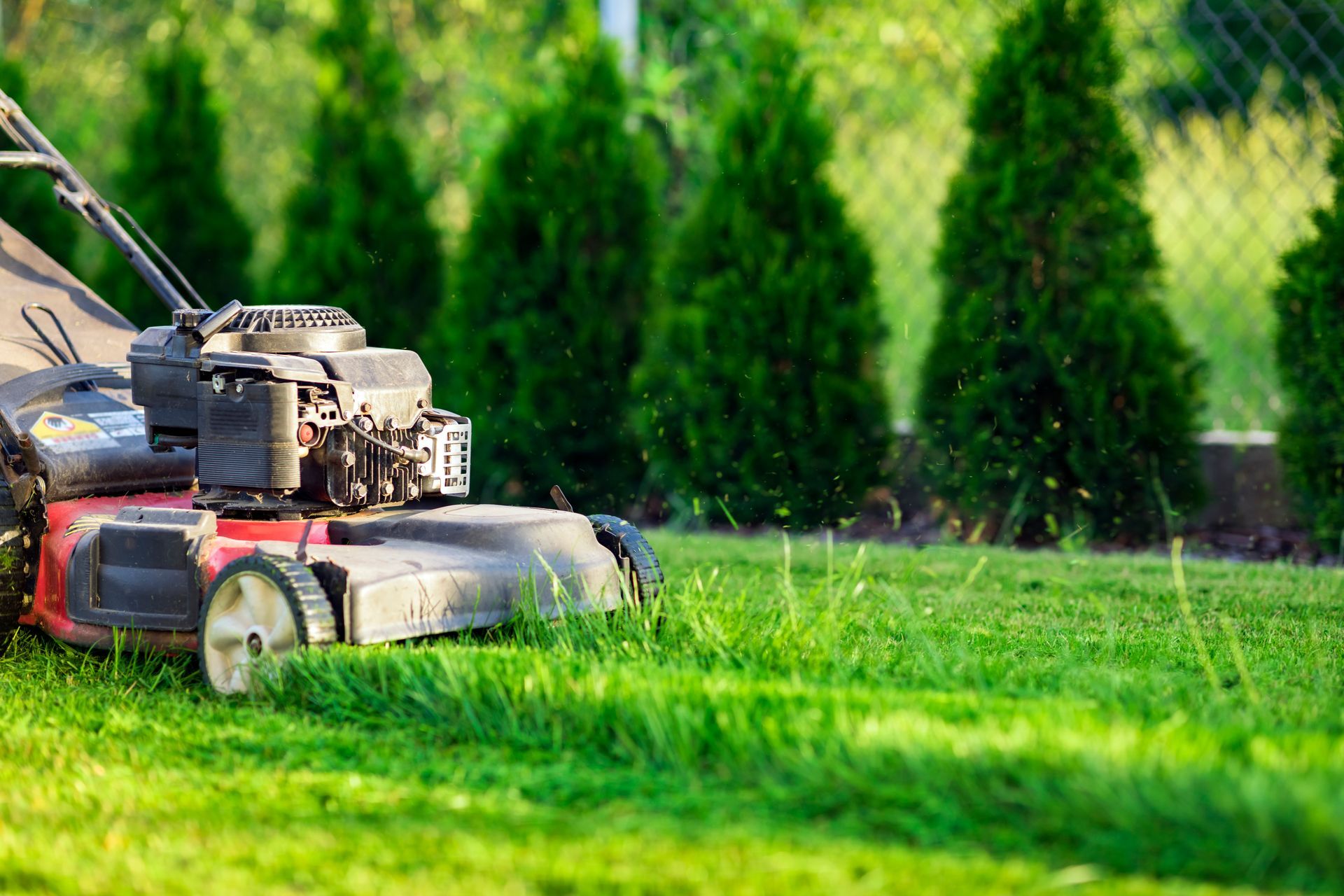
Summer lawn care in Corpus Christi takes extra attention. In many yards, summer is still a high-growth period, especially with regular watering. Many homeowners need to mow once a week, and fast-growing lawns may even need touch-ups sooner.
At the same time, summer heat can stress grass. That is why proper mowing height matters so much. Cutting too short in hot weather can lead to brown patches, root damage, and thin turf. In summer, slightly higher grass often protects the soil better and helps the lawn stay healthier.
Fall
In fall, growth usually begins to slow. Many lawns can move from weekly mowing to every 10 to 14 days. This depends on weather, rainfall, and how warm the season stays. Fall is also a good time to keep the lawn neat while preparing it for slower winter growth.
Winter
Winter mowing is often minimal in Corpus Christi, but many lawns still need occasional cuts. Some warm-season grasses go semi-dormant, while others may keep growing slowly during mild stretches. You may mow every 2 to 4 weeks, or even less, depending on conditions.
The key is not to force a schedule. Only mow when the lawn truly needs it. For more seasonal guidance, see our article on winter lawn care in Corpus Christi.
How Often to Mow Common Corpus Christi Grass Types
Grass type is one of the biggest reasons two nearby lawns can need different mowing schedules.
St. Augustine Grass
St. Augustine grass is common in Corpus Christi because it handles heat well and creates a thick, full lawn. During the growing season, it often needs mowing about once a week. It should not be cut too short, since that can weaken the turf and open the door to stress and weeds.
Bermuda Grass
Bermudagrass is one of the faster-growing warm-season grasses. It often needs frequent mowing, sometimes every 5 to 7 days during strong growth. If watered and fertilized well, Bermuda can get tall fast. Keeping up with it prevents scalping and helps maintain a smooth appearance.
Zoysia Grass
Zoysia grass usually has dense growth and a neat look. It may not always grow as fast as Bermuda, but it still needs consistent mowing during spring and summer. Many Zoysia lawns do well with mowing every 7 to 10 days, depending on growth rate and weather.
Other Warm-Season Lawns
Other warm-season grasses, such as Buffalo grass and Centipede grass, may need mowing less often than Bermuda or St. Augustine. Even so, they still need a schedule based on height, not guesswork. If the lawn is actively growing, regular mowing keeps it healthy and attractive.
The One-Third Rule Every Homeowner Should Follow
If there is one mowing rule every homeowner should know, it is the one-third rule. Never remove more than one-third of the grass blade in a single mowing.
Why does that matter? Because cutting too much at once shocks the lawn. It puts stress on the grass, slows recovery, and can lead to discoloration or weak growth. Large cuts can also leave behind heavy grass clippings that smother the turf.
For example, if your lawn should be kept around 3 inches tall, do not let it grow to 5 or 6 inches before mowing it back down. That is too much change at once.
If the lawn gets overgrown, bring it back down gradually over multiple mowings. That approach is safer for the grass and gives you better results. The one-third rule is one of the best ways to avoid lawn stress and support a thick lawn.
Follow these simple steps when a lawn gets too tall:
- Raise the mower height instead of cutting it down all at once.
- Mow again a few days later if the lawn still needs to come down.
- Bag or spread out heavy grass clippings if they start to smother the turf.
- Water and monitor the lawn for stress after a major correction cut.
Best Mowing Height for a Healthier Lawn
Mowing frequency and mowing height go together. Even if you mow on time, cutting at the wrong height can still damage the lawn.
Why Cutting Too Short Causes Problems
Cutting grass too short, also called scalping, is one of the most common lawn care mistakes. It weakens the blade, reduces shade over the soil, and can expose roots to more heat. This can lead to brown patches, thin spots, weed problems, and slower recovery.
Short grass may look tidy for a day or two, but it often causes more trouble later. A healthier lawn usually comes from proper mowing height, not the shortest possible cut.
Why Slightly Higher Summer Mowing Helps
In hot weather, slightly higher grass helps protect the lawn. Taller blades shade the soil, help hold moisture, and reduce stress from heat and sun. This matters in Corpus Christi, where summer heat and humidity can be tough on turf.
Keeping the lawn a bit taller in summer can improve lawn appearance and overall health. It also helps the grass grow deeper roots, which makes it more resilient during dry or hot periods.
Signs You’re Mowing Too Often or Not Often Enough
Your lawn will often tell you when the mowing schedule is off.
If you are mowing too often, the grass may look stressed or weak. Growth may seem thin, and the lawn may not recover well after each cut. You may also notice that you are trimming very little each time, which can mean the lawn does not really need mowing yet.
If you are not mowing often enough, the signs are usually easier to spot. The lawn starts to look shaggy and uneven. Grass clippings become heavy after mowing. The yard may look patchy after the cut because too much blade was removed at once. In some cases, you may see brownish stems after mowing an overgrown lawn.
A good schedule keeps the lawn looking even and healthy between cuts. It should not look scalped right after mowing, and it should not look overgrown before the next one.
Lawn Care Habits That Support the Right Mowing Schedule
Mowing works best when it is part of a full lawn maintenance plan.
Watering Deeply and Less Often
A smart watering schedule supports healthy growth. Deep watering encourages roots to grow down into the soil instead of staying shallow near the surface. For many lawns, early morning watering is best because it reduces evaporation and gives the grass time to dry during the day.
Watering too often in small amounts can lead to shallow roots and weaker turf. Strong roots help the lawn handle mowing better.
Fertilizing at the Right Time
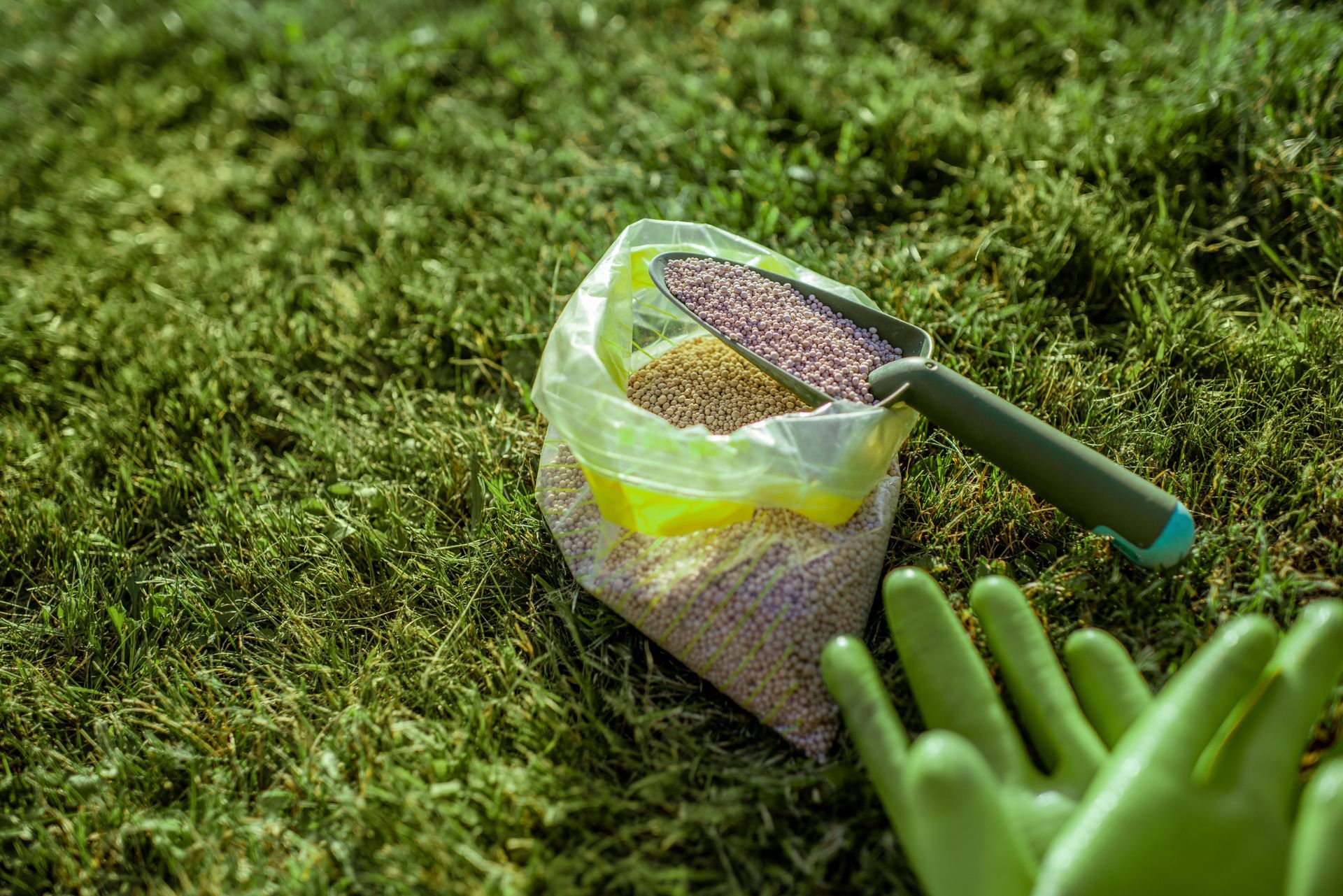
Fertilizer affects growth rate, so it also affects lawn mowing frequency. A lawn that gets the right nutrients may grow thicker and faster during active months. Slow-release fertilizer is often a smart option because it feeds the lawn over time instead of pushing sudden growth. For a deeper look at timing, read our guide on when to fertilize your yard in Texas.
Too much fertilizer can create overly fast growth, which means more mowing and more stress if the lawn is not managed well.
Weed and Pest Control
Weed control and pest control both support a healthy mowing schedule. Weeds compete with grass for water and nutrients. Pests can damage turf and create weak areas that do not respond well to regular mowing.
A thick lawn is one of the best defenses against weeds. Good mowing practices, proper watering, and timely treatment all work together.
Aeration and Seasonal Upkeep
Aeration helps reduce soil compaction and improves movement of water, air, and nutrients into the root zone. Seasonal clean-ups, edging, and trimming also support better lawn performance. These tasks may not change mowing directly, but they improve the overall health and appearance of the yard.
A lawn that is cared for properly is easier to mow and easier to keep on schedule.
Common Mowing Mistakes to Avoid in Corpus Christi
A few common mistakes can undo a lot of good lawn care work.
The most common problems include:
- Cutting too short and stressing the lawn
- Ignoring summer heat and humidity
- Letting the lawn get too tall before mowing
- Using the same mowing schedule year-round
- Mowing with dull blades instead of a clean edge
Cutting too short is one of the biggest problems. It may seem like a way to mow less often, but it usually leads to more stress, weaker grass, and a rougher-looking lawn.
Ignoring summer stress is another issue. In Corpus Christi, lawns face heat and humidity for long stretches. During hot weather, grass needs the right mowing height and steady care. A schedule that is too aggressive can do more harm than good.
Letting the lawn get too tall before mowing is also a common mistake. That usually leads to breaking the one-third rule, leaving too many grass clippings, and putting the lawn under pressure.
Using the same schedule year-round is another problem. Spring mowing, summer lawn care, fall slowdowns, and winter off-season mowing all look different. Your schedule should change as the lawn changes.
Mowing with dull blades can also damage the grass. Instead of making a clean cut, dull blades tear the grass, which can leave the lawn looking ragged and stressed. It helps to know when to sharpen mower blades so each cut stays clean.
When to Adjust Your Schedule or Bring in a Professional
Sometimes the lawn needs a schedule change. If you have had a rainy stretch, heavy irrigation, or a burst of growth, the lawn may need mowing sooner than usual. If weather turns cooler or drier, you may be able to stretch the time between cuts. If you are unsure whether conditions are safe, review our tips for mowing a wet lawn safely.
You should also adjust the schedule if the lawn is stressed, overgrown, or recovering from damage. In those cases, focus on lawn health first and avoid aggressive cutting.
Some homeowners choose professional help because they want a cleaner, more consistent result. Others need help when the lawn gets too tall, when growth becomes hard to manage during summer, or when they simply do not have time to stay on top of weekly mowing. Our lawn mowing service is built for homeowners who want dependable maintenance without guessing at the right schedule.
A professional can also help if you are unsure about mowing height, grass type, or how to build a full lawn maintenance plan. That can be especially helpful in Corpus Christi, where local conditions affect turf more than many people expect. If you have ever searched for a lawn mowing service near me or lawn mowing Corpus Christi, it is often because keeping up with regular mowing becomes hard during peak season.
Keep Your Corpus Christi Lawn on a Consistent Mowing Routine
So, how often should you mow your lawn in Corpus Christi? For most homeowners, the answer is about once a week during active growth, with longer gaps in cooler or slower months. But the best mowing schedule always depends on the lawn itself.
Watch the grass type, growth rate, weather, and current height. Follow the one-third rule. Avoid cutting too short. Raise the mowing height a bit during summer when heat and humidity are high. Pair regular mowing with smart irrigation, fertilizing, weed control, and seasonal upkeep.
When you stay consistent, the lawn stays healthier, thicker, and easier to manage. And when your schedule matches the season, your yard is more likely to keep the clean, well-kept look homeowners want in Corpus Christi.