
Winter Lawn Care in Corpus Christi: Keep Your Grass Healthy Through the Cold
At CC Lawn Pros, we work on lawns across Corpus Christi and the Coastal Bend year-round, so we see firsthand what winter weather, wind, salt air, and "random warm weeks" can do to St. Augustine, Bermuda, and other warm-season grasses. This guide is written from that local, hands-on perspective. It's meant to be helpful, not salesy: clear answers up front, then a little more detail so you can protect your lawn now and set it up for an easier spring.
Corpus Christi winters are usually mild, but your lawn can still struggle. The most common winter problems here are dormancy stress, cool-season weeds, and watering mistakes (too much or not enough), especially when rainfall is unpredictable.
Why Winter Lawn Care Matters in South Texas
Even in a warmer coastal city, winter lawn care is important because warm-season grass doesn't grow the same way when temps drop.
- Growth slows down, so the lawn can't "bounce back" quickly from damage.
- Weeds keep growing (many cool-season weeds love our winter conditions).
- Soil can compact from foot traffic and wet spots, which hurts roots.
- A missed season shows up in spring as thin grass, bare patches, and more weeds.
A little winter lawn maintenance now can mean less work, and fewer headaches, later.
Understanding Your Lawn's Winter Behavior
Most Corpus Christi lawns are warm-season turf, like St. Augustine and Bermuda. In winter, these grasses often:
- Slow growth or go dormant (the lawn may turn tan or dull green)
- Hold moisture longer (especially in shaded areas)
- Show stress faster after a cold snap or heavy traffic
Dormancy and color change, what's normal
It's normal for warm-season lawns to lose color and grow slowly. That doesn't always mean your lawn is "dying." Dormant grass is basically conserving energy.
What not to worry about vs. red flags
Usually normal in winter:
- Slower growth
- Slight yellowing or browning
- Fewer mowing needs
Watch more closely if you see:
- Mushy spots or a sour smell (could be drainage or rot)
- Persistent bare areas that widen
- Circular patches that spread (possible disease)
- Lots of standing water after rain
If you catch those early, spring recovery is much easier.
Essential Winter Lawn Care Tips for Corpus Christi Homeowners
Adjust Your Mowing Routine
Straight answer: Mow less often in winter, keep the lawn a bit higher than "scalped," and avoid cutting right before a cold snap.
In Corpus Christi, grass may still grow on warm weeks, so you might still mow occasionally. The goal is a steady winter mowing schedule that protects the turf instead of stressing it.
Key mowing tips:
- Reduce frequency: If the grass isn't growing, don't mow "just because."
- Avoid scalping: Cutting too short exposes soil, weakens the lawn, and invites weeds.
- Keep blades sharp:
Dull blades tear grass
and can lead to disease.
- Don't mow when soggy: Wet turf compacts faster and ruts are hard to fix.
If you're unsure about height, a safe rule is to stay at the higher end of your normal mowing height during winter and make smaller cuts.
Smart Winter Watering Practices
Straight answer: Water less in winter, but don't let the lawn get bone dry, especially with coastal wind and sandy soil.
Watering in winter is tricky here. We can go from rainy weeks to dry stretches fast. Overwatering can lead to fungus and root problems, while underwatering can cause dry, stressed turf that struggles in spring.
A simple approach that works for many Corpus Christi lawns:
- Only water when the lawn shows signs of dryness (dull color, footprints that linger, crunchy blades).
- Water in the morning, so moisture doesn't sit overnight.
- Check shaded areas, they stay wet longer and can be the first place fungus shows up.
What about winter rainfall?
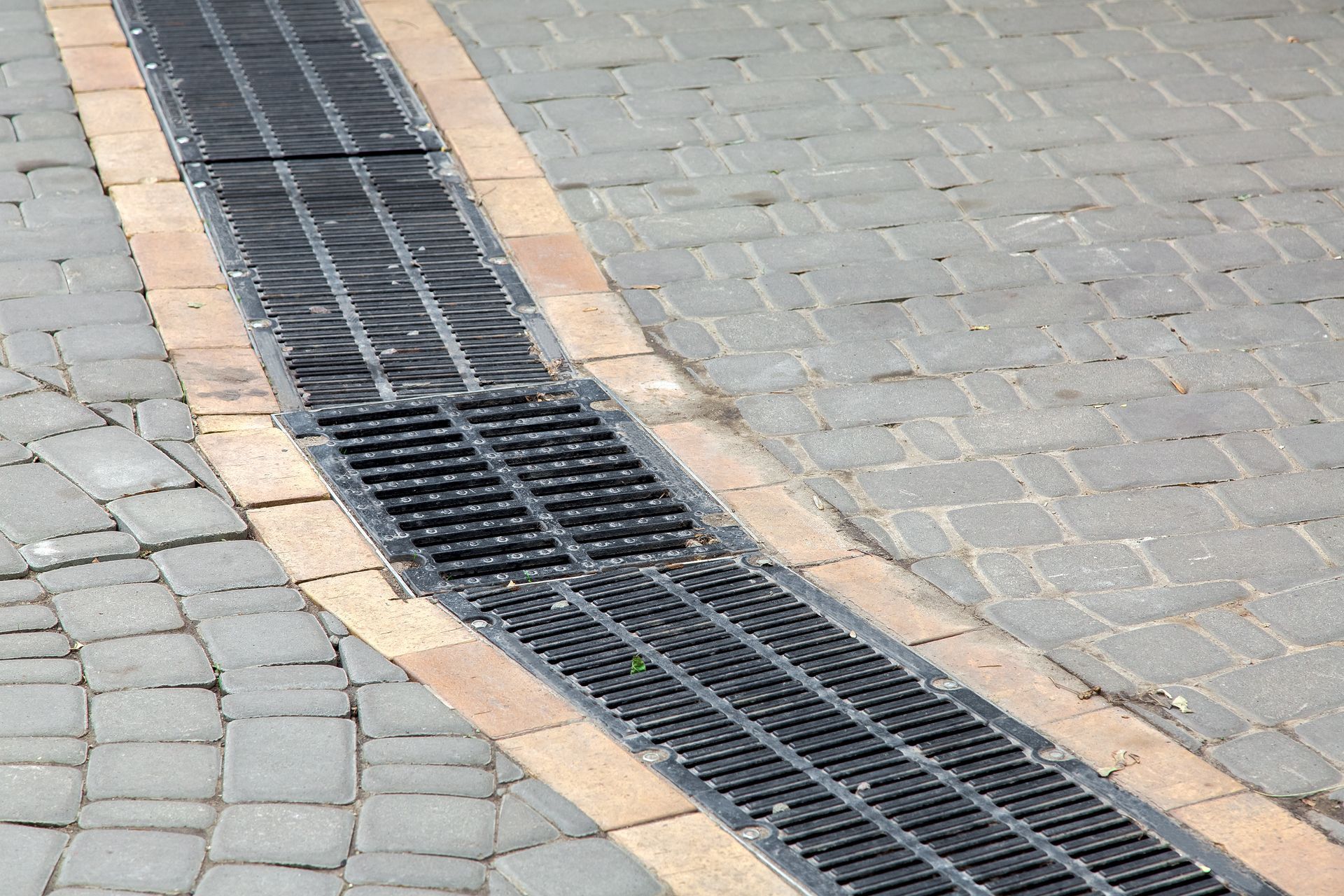
If you're getting steady rain, you may not need irrigation much at all. If it's been dry for a while, light, occasional watering can protect roots, especially for lawns that face strong wind or full sun. For more on managing your watering system efficiently, check out our drainage and irrigation services.
Fertilizing Your Lawn in the Off-Season
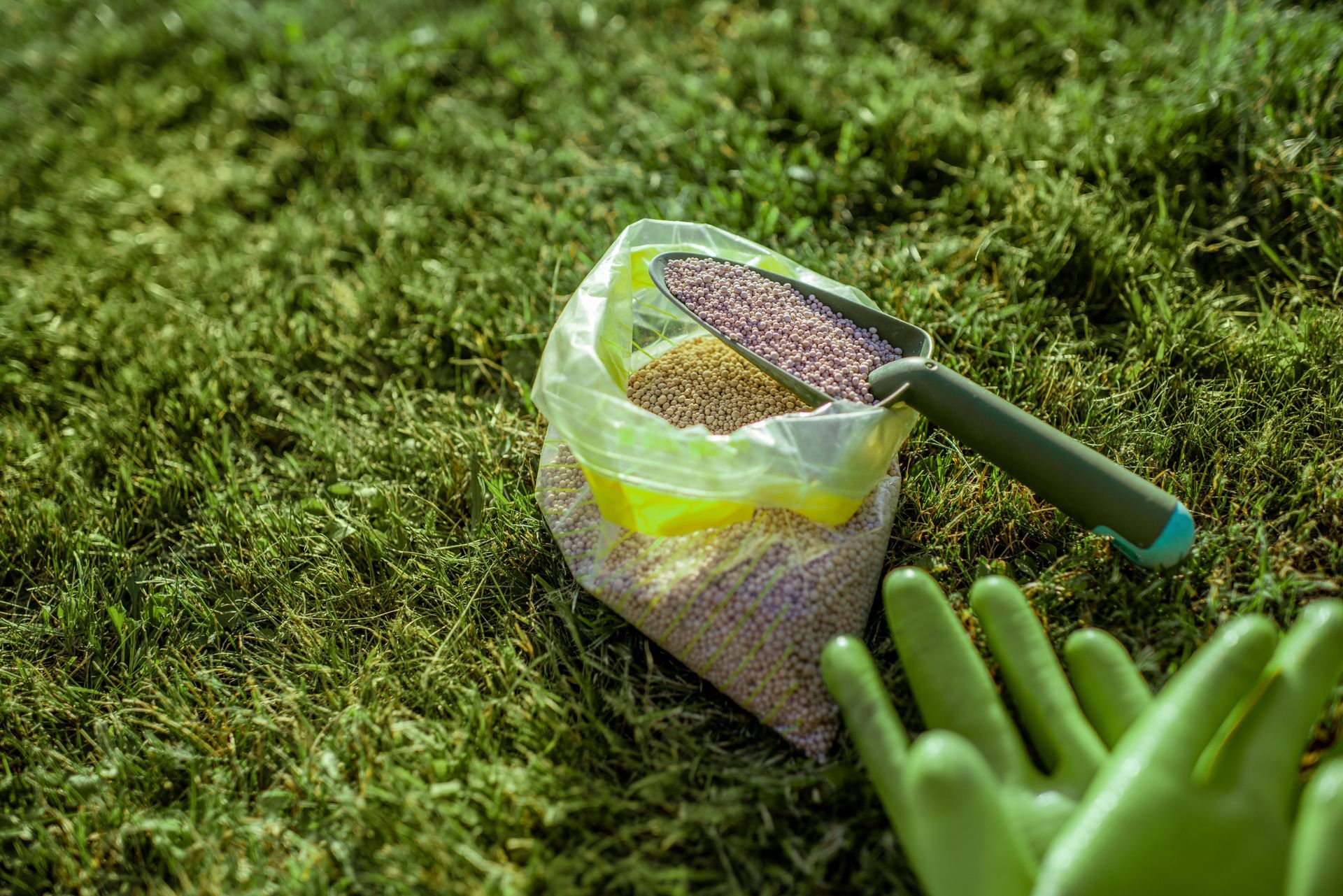
Straight answer: For most warm-season lawns, winter is not the time for heavy fertilizing. If you fertilize, keep it light and smart, and focus on preparation for spring.
Many people ask when to fertilize in winter, but here's the key: warm-season grass isn't actively growing the way it does in late spring and summer. Heavy nitrogen in winter can push weak growth at the wrong time.
What to do instead:
- If you already fertilized in late fall, you may be set until spring.
- Consider a soil test so you're not guessing.
- If your lawn truly needs nutrients, choose a product that supports root strength (often lower nitrogen) and avoid overdoing it.
Big caution: A "green-up" isn't always a win. Forcing growth during cold spells can make the lawn more vulnerable. Learn more about optimal fertilization timing for Texas lawns.
Weed Control and Pre-Emergents
Straight answer: Winter weeds are common in Corpus Christi. The best defense is pre-emergent timing plus targeted spot treatments when needed.
Cool-season weeds can take over thin turf. Once they're established, they compete for sunlight, water, and nutrients, right when your grass is resting.
Common winter weed problems:
- Weeds that sprout in fall and spread through winter
- Weeds that settle into thin or scalped areas
- Weeds that pop up around edges, sidewalks, and bare spots
Practical weed-control habits:
- Keep mowing and watering consistent (weeds love stressed lawns).
- Spot-treat weeds instead of spraying everything, if the problem is small.
- Plan ahead: pre-emergents work best before weeds sprout, not after.
If weeds are a yearly issue, winter is a good time to tighten up mowing height, reduce bare soil, and plan a better seasonal treatment schedule.
Leaf Removal and Winter Cleanup
Straight answer: Keep the lawn clear. Leaves and debris block light, trap moisture, and can cause thin or patchy turf by spring.
Even in Corpus Christi, winter yard cleanup matters. A layer of leaves or dead plant material can "smother" grass and create damp conditions that invite disease.
Focus on:
- Regular leaf and debris removal
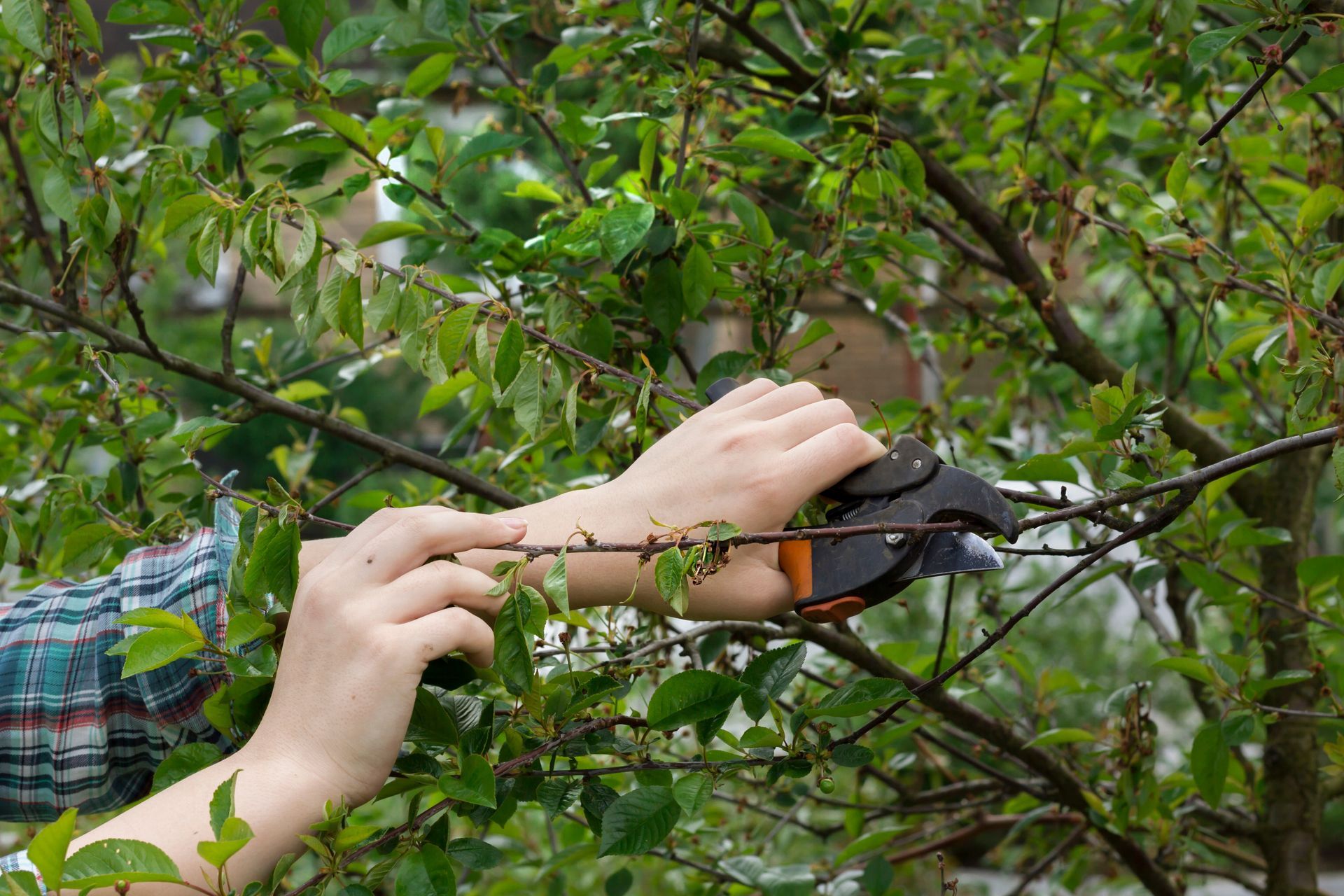
- Light pruning (without stressing plants)
- Cleaning beds and edges so everything looks tidy and drains well
If you want spring grass to fill in evenly, winter is the season to prevent hidden damage under piles of leaves. Our landscape trimming services can help keep your property clean and healthy year-round.
Special Considerations for Coastal Lawns
Corpus Christi lawns deal with conditions many inland lawns don't.
Salt air and spray:
Salt can stress plants and turf over time, especially near the water or in windy areas. Rinsing hard surfaces and keeping turf healthy helps reduce stress.
Sandy soil and fast drainage:
Some yards dry out quickly, even in winter. If your soil drains fast, you may need less frequent but deeper watering during dry stretches, without turning the lawn into a swamp.
Wind exposure:
Strong coastal wind can dry out turf fast. Wind also knocks debris into corners and along fences, where moisture builds up and grass thins. Keeping those areas clean and watching irrigation coverage helps a lot.
If your lawn is near the coast or in an open, windy area, "normal" winter lawn care advice often needs small adjustments.
Consider drought-tolerant plants for areas that consistently struggle with moisture management.
Winter Lawn Care for Commercial Properties
Commercial lawns need a different kind of winter strategy because appearance and safety matter every day.
Curb appeal during the off-season:
A clean, edged property with controlled weeds looks professional even when turf is less green.
Low-maintenance strategies that still look good:
- Keep a consistent mowing and edging routine (even if less frequent)
- Stay on top of litter, leaves, and wind-blown debris
- Watch irrigation so sidewalks and entryways aren't slick or stained
High-traffic areas need extra attention:
Foot traffic compacts soil and wears down turf faster in winter. Consider roping off problem areas, adjusting mowing, and planning repairs before spring rush.
Get Ahead for Spring: Winter Prep Means a Greener Lawn Later
Straight answer: Winter is the best time to prevent problems that explode in spring, like weeds, thin turf, and irrigation issues.
Here's what "spring prep" looks like in winter:
- Check irrigation coverage for dry spots and overspray
- Fix drainage issues now, before spring growth highlights every problem
- Plan soil improvement (topdressing or soil amendments) so spring feeding is more effective
- Schedule spring services early if your lawn typically needs aeration, weed prevention, or recovery work
Winter doesn't have to be a "dead season." It can be a smart planning season.
Conclusion
Winter lawn care in Corpus Christi is less about doing more, and more about doing the right basics: adjust your mowing, avoid watering mistakes, control weeds, and keep the yard clean.
With our mild coastal winters, small problems can quietly build until spring makes them obvious. If you want an easier spring and a healthier lawn long-term, use winter to dial in your routine.
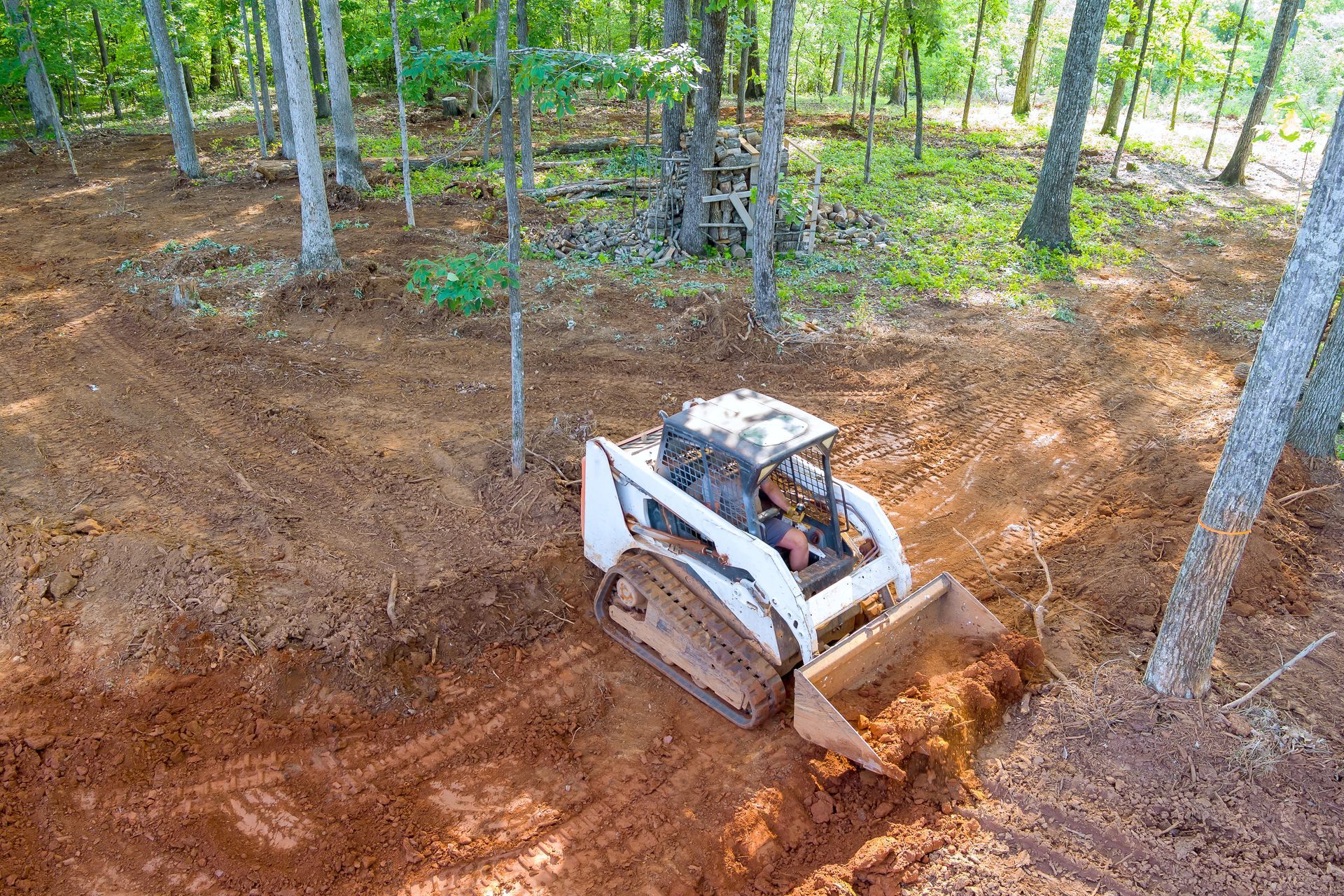
And if you'd rather not guess, a professional can help you set a dependable winter mowing schedule, check irrigation, and build a seasonal plan that fits your grass type and your yard's coastal conditions.Contact us to learn more about ourlandscaping services throughout the Coastal Bend region.
Frequently Asked Questions About Winter Lawn Care in Corpus Christi