
How Often to Mow Your Lawn: A Complete Seasonal Guide
At Lawn Pros, we’ve been helping homeowners and businesses keep their lawns healthy and beautiful for over 15 years. Our team of turf care specialists understands how grass grows in different seasons, climates, and soil types. We’ve mowed thousands of lawns, and we know exactly how often you should mow to keep your lawn looking its best, without causing stress or damage. This guide is built on years of hands-on experience, scientific lawn care practices, and expert advice.
Let’s walk you through how often you should mow, based on the season, grass type, and other important factors.
Why Mowing Frequency Matters for Lawn Health
Encouraging Strong Root Growth
Mowing regularly helps grass grow thicker and stronger. When you trim just a little off the top, the roots grow deeper, making the grass more drought-resistant and healthy.
Preventing Lawn Stress and Disease
Cutting your grass too short or letting it grow too long can cause stress. A stressed lawn is more likely to get diseases and weeds. Mowing at the right height helps your lawn stay strong and fight off problems naturally.
Improving Overall Turf Appearance
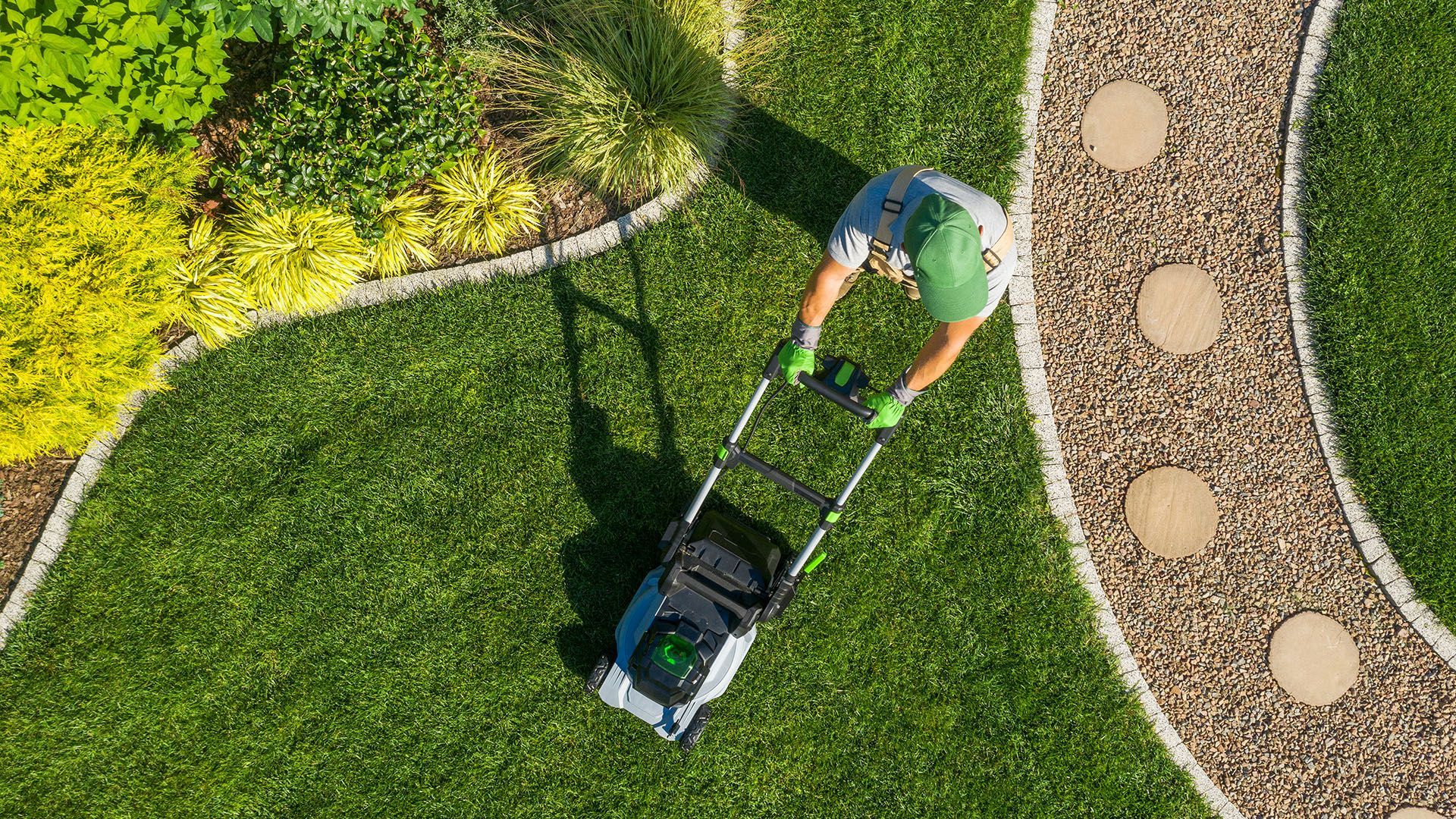
Consistent mowing makes your lawn look neat and lush. It also helps prevent bare spots and keeps the lawn even, especially when you follow the right mowing schedule.
Factors That Affect How Often You Should Mow
Grass Type (Cool vs. Warm Season Grasses)
Cool-season grasses (like fescue and bluegrass) grow quickly in spring and fall. Warm-season grasses (like Bermuda and zoysia) grow most during summer. You’ll mow more often during their peak growing season.
Growth Rate and Time of Year
Grass grows faster in spring and early summer. During those times, you may need to mow every 5–7 days. In slower-growing months, like late fall or winter, you can wait longer between mows.
Weather and Rainfall Conditions
After a lot of rain, grass grows faster. Hot, dry weather slows it down. Always watch your lawn and adjust your mowing schedule as needed. Learn more about mowing a wet lawn safely to avoid common mistakes.
Ideal Mowing Height for Different Lawns
Different grasses have different recommended heights. For example, fescue should be kept at about 3–4 inches, while Bermuda likes to stay at 1–2 inches. Never remove more than 1/3 of the grass height at once.
Seasonal Lawn Mowing Guidelines
Spring Mowing Schedule
In spring, start mowing when the grass begins to grow and reaches its recommended height. Expect to mow every 5–7 days, especially for cool-season grasses.
Summer Mowing Schedule
In summer, mow warm-season grasses every 5–7 days. If the weather is very dry, allow your grass to grow a bit taller to retain moisture and reduce stress. Consider drought-tolerant plants for areas that struggle during hot months.
Fall Mowing Schedule
Fall is another peak growth season for cool-season grasses. Mow regularly, about once a week, until growth slows down. Keep leaves off the lawn to avoid smothering the grass. This is also a great time to schedule lawn fertilization to prepare your lawn for winter.
Winter Mowing Considerations
Most lawns go dormant in winter and don’t need mowing. Only mow if the grass is still growing and reaches a height above the recommended limit. Avoid mowing frozen or overly wet grass.
How to Tell It’s Time to Mow
Visual Cues from Lawn Height
If your grass looks shaggy or is taller than its ideal height, it’s time to mow. Keep a ruler handy or just eyeball the difference.
The 1/3 Rule of Lawn Mowing
Never cut more than 1/3 of the grass blade at once. This helps avoid shock and keeps roots healthy.
Adjusting for Fast or Slow Growth Periods
Don’t stick to a strict calendar. If your lawn is growing fast, mow more often. If it’s growing slow, you can wait longer between mowing sessions.
Tips for Effective and Safe Lawn Mowing
Sharpening Your Mower Blades
Sharp blades make clean cuts, which help grass heal faster and prevent disease. Dull blades tear the grass, causing brown tips. Check out our guide on when to sharpen mower blades for optimal lawn health.
Mowing When Grass Is Dry
Wet grass clumps and clogs your mower. It also tears more easily. Wait until the lawn is dry for a cleaner cut.
Changing Directions Each Mow
Switching your mowing pattern helps grass stand upright and reduces soil compaction.
Proper Clipping Management
Leave grass clippings on the lawn unless they form heavy clumps. They break down and return nutrients to the soil, this is called “grasscycling.”
Mistakes to Avoid When Mowing
Cutting Too Short or Too Often
Scalping the lawn weakens it and makes it vulnerable to weeds and sun damage. Stick to proper height guidelines.
Mowing Wet Grass
Mowing when wet causes uneven cuts, clumping, and can damage your mower. Always wait until the lawn is dry.
Using Dull Blades or Improper Equipment
Using poorly maintained tools can harm your lawn. Keep blades sharp and ensure your mower is working correctly.
Final Thoughts on Mowing Frequency by Season
A well-maintained mowing schedule is key to a healthy, green lawn. By understanding your grass type, seasonal changes, and local weather, you can make smart decisions about when to mow. Following best practices helps prevent problems and promotes long-term lawn health.
Ready for a Greener Lawn?
If you're looking for professional lawn mowing services that follow these exact principles, Lawn Pros is here to help. Our local team uses expert mowing techniques to keep your lawn thriving all year long. We also offer comprehensive landscaping services including landscape trimming and tree trimming to keep your entire property looking its best.
Frequently Asked Questions