
Landscape Design Ideas That Work Well in South Texas Yards
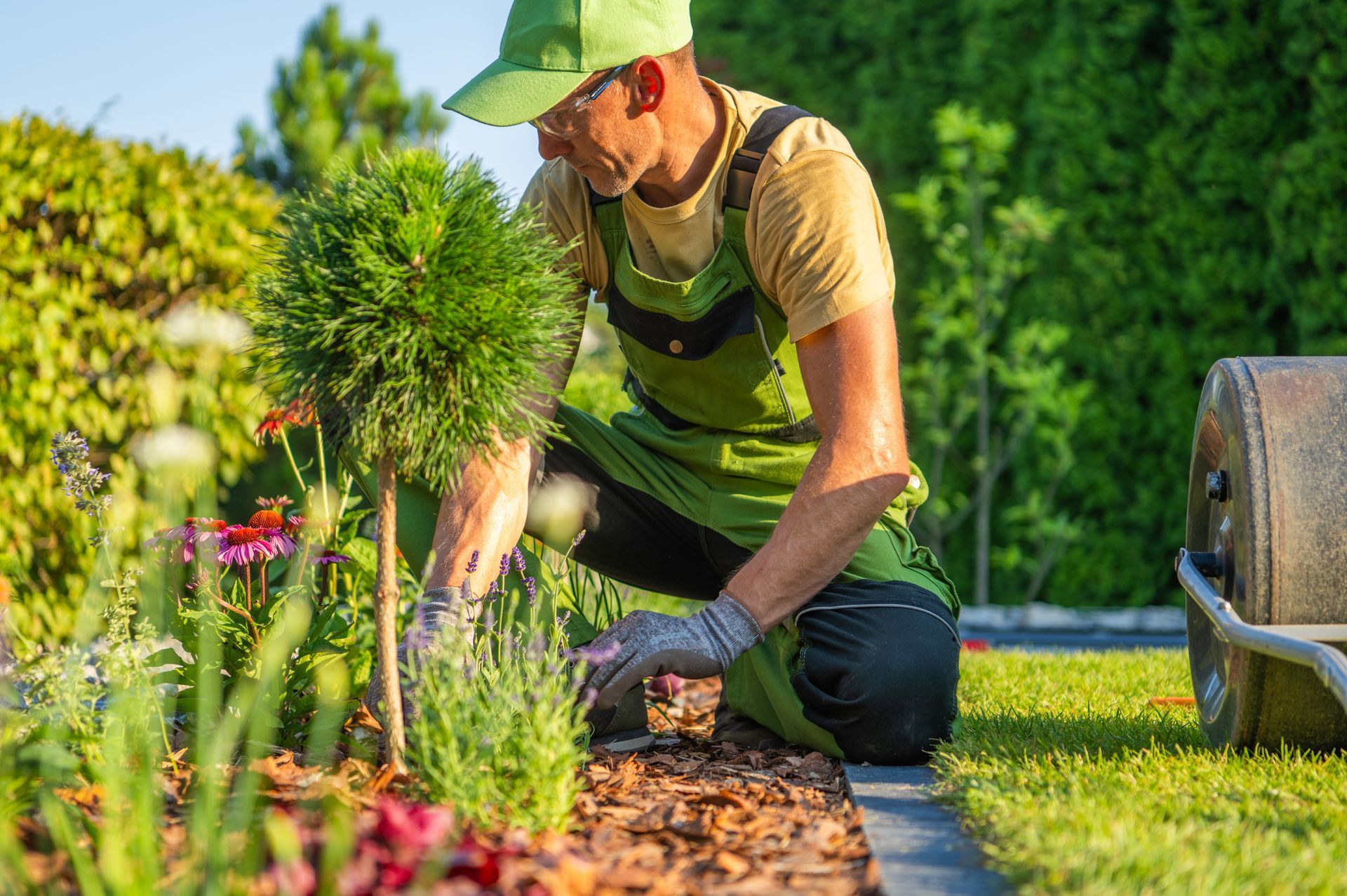
At CC Lawn Pros, we have spent years working directly with South Texas homeowners to create outdoor spaces that look great and hold up in one of the toughest climates in the country. We understand the heat, the drought cycles, the soil challenges, and the water restrictions that come with living in this region. That hands-on experience is what drives every recommendation on this page. Whether you are starting from bare dirt or updating an older yard, the ideas below come from real work done right here in South Texas, not from a landscaping guide written for the Pacific Northwest.
Why South Texas Landscaping Requires a Different Approach
Not every landscaping idea you find online will work here. South Texas has a unique set of conditions that most garden guides do not account for. If you have ever planted something that looked beautiful in spring only to see it die off by July, you already know what we mean.
Climate Challenges: Heat, Drought, and Soil Conditions
South Texas summers are long and brutal. Temperatures routinely push past 100 degrees Fahrenheit, and the sun beats down on exposed soil and plants for hours at a time. Rainfall is unpredictable, with long dry stretches followed by heavy bursts that the ground cannot always absorb quickly.
The soil here tends to be either heavy clay, which holds water poorly and cracks during drought, or sandy and loose, which drains too fast to keep plants hydrated. In many areas, a layer of caliche sits just below the surface, blocking root growth and drainage both.
These are not small problems. They shape every decision you make in the yard, from what plants you choose to how you design your hardscape.
Benefits of Designing for Low Maintenance and Water Efficiency
The good news is that when you design your yard with this climate in mind, the results last. A landscape built for South Texas conditions needs less water, less upkeep, and fewer replacements over time. You spend less money on your water bill and less weekend time fighting plants that were never right for this region.
A water-efficient yard also puts you ahead of any local watering restrictions that come during dry years. And because you are using plants and materials suited to the climate, everything looks better for longer.
Core Principles of Successful South Texas Landscape Design
Before you choose specific plants or features, it helps to understand the ideas that guide good landscape design in this region.
Prioritizing Drought-Tolerant and Native Plants
Native plants are native for a reason. They evolved in this climate and know how to survive it. Plants like Texas sage, blackfoot daisy, lantana, and cenizo thrive here without much help. They handle the heat, tolerate dry spells, and come back strong year after year.
Drought-tolerant plants from similar climates, including many Mexican and Mediterranean species, also perform well here. The key is to move away from traditional lawn plants and ornamentals bred for cooler, wetter regions. For a deeper look at specific species that hold up in this area, see our guide to drought-tolerant plants for Corpus Christi yards.
Reducing Lawn Areas with Smart Alternatives
A large grass lawn in South Texas is one of the most high-maintenance, water-hungry things you can have in your yard. It needs regular watering, mowing, fertilizing, and pest control to stay healthy. When drought hits or watering restrictions kick in, it is usually the first thing to suffer.
Replacing some or all of your lawn with alternatives, including gravel, decomposed granite, ground covers, or hardscape, saves water and reduces the time and money you put into yard care. Many homeowners are surprised by how much more attractive a well-designed low-lawn yard looks compared to a struggling grass lawn in August.
Using Shade Strategically for Comfort and Plant Health
Shade is one of the most valuable things in a South Texas yard. It keeps outdoor spaces usable during the hottest parts of the day and protects delicate plants from direct afternoon sun.
Strategic shade can come from trees, pergolas, shade sails, or even tall shrubs placed on the west side of your yard to block the worst of the late afternoon heat. When you design shade into your landscape from the start, everything in that yard benefits.
Incorporating Efficient Irrigation Solutions
Even drought-tolerant plants need water during establishment and dry spells. A drip irrigation system delivers water directly to plant roots, where it is actually needed, rather than spraying it across the surface where much of it evaporates before reaching the roots.
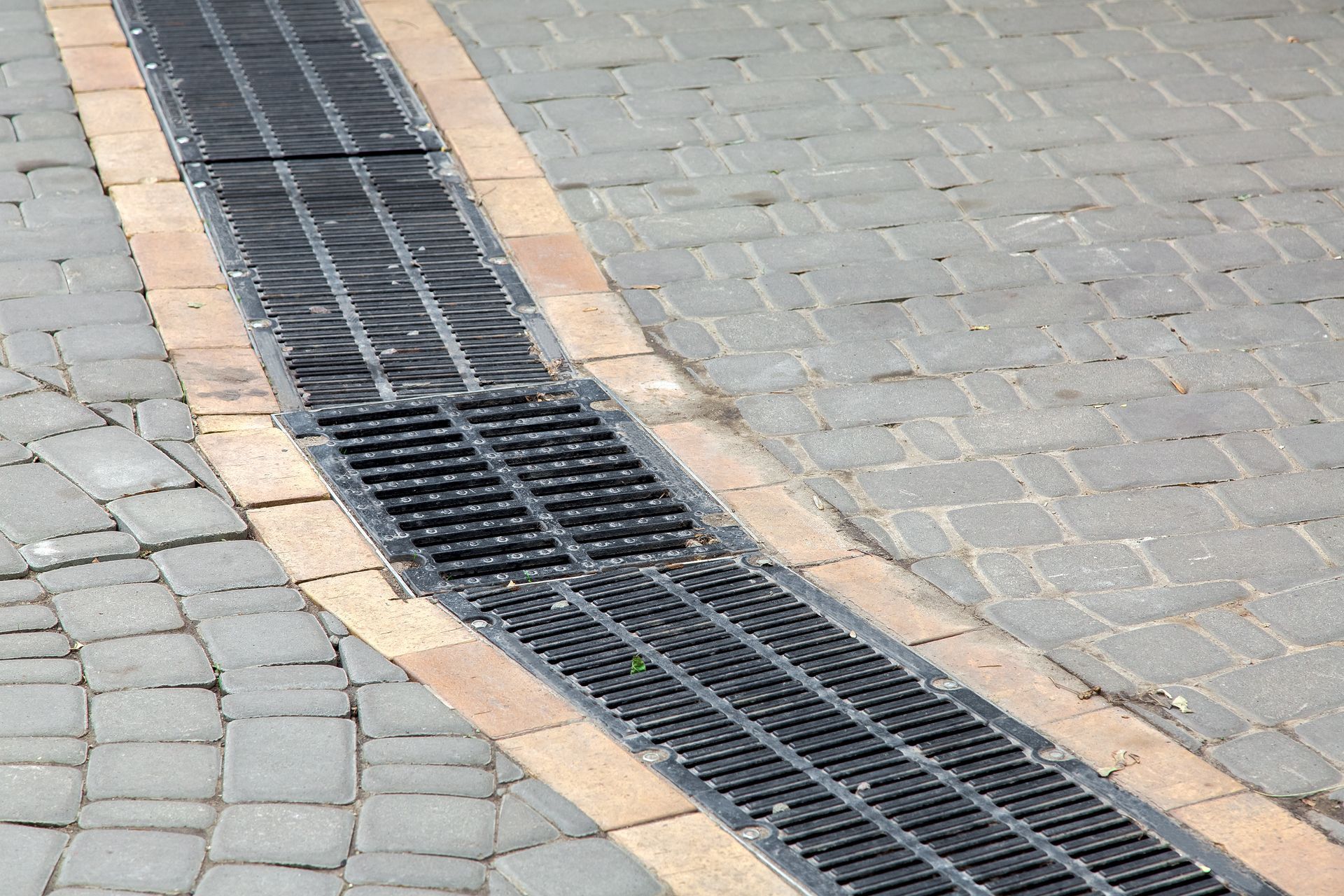
Smart irrigation controllers that adjust watering schedules based on weather data can cut water use significantly without any extra effort on your part. Paired with the right plants and mulch, a good drainage and irrigation setup keeps your yard healthy with far less waste.
Low-Maintenance Landscape Design Ideas for South Texas Homes
These design approaches are well suited to the South Texas climate. Each one reduces water use and long-term maintenance while giving your yard a clean, attractive appearance.
Xeriscaping for Water Conservation
Xeriscaping is a design method built around water conservation. It uses drought-tolerant plants, efficient irrigation, and soil improvements to create a landscape that needs very little supplemental watering once it is established.
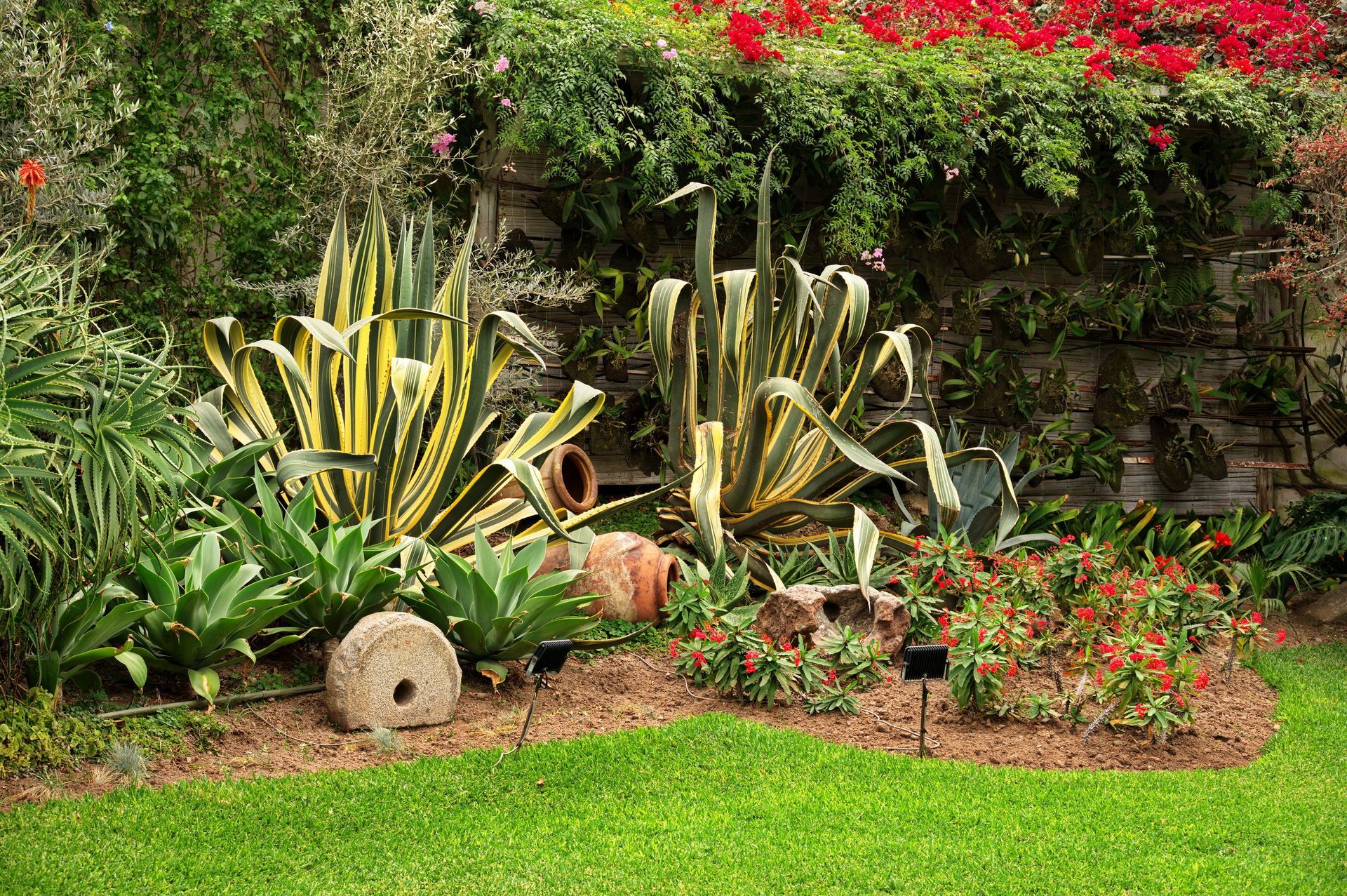
A xeriscape yard is not a bare, rocky yard with nothing in it. Done well, it is a layered, colorful landscape full of native grasses, flowering shrubs, succulents, and ornamental rocks. It simply does not need as much water or attention as a traditional landscape.
In South Texas, xeriscaping is not just a trend, it is a practical choice that matches the environment you are actually working in.
Gravel, Rock, and Mulch-Based Designs
Replacing turf areas with decomposed granite, river rock, or crushed gravel is one of the most popular moves in South Texas landscaping. These materials are low cost, long lasting, and require almost no upkeep.
Gravel and rock also improve drainage, which matters a lot in yards with clay soil. They reduce erosion during heavy rains and reflect less heat than concrete. Dark-colored mulch laid around garden beds holds soil moisture, suppresses weeds, and improves the look of the planting areas. Our mulch and rock services can help you choose the right material and get it installed correctly.
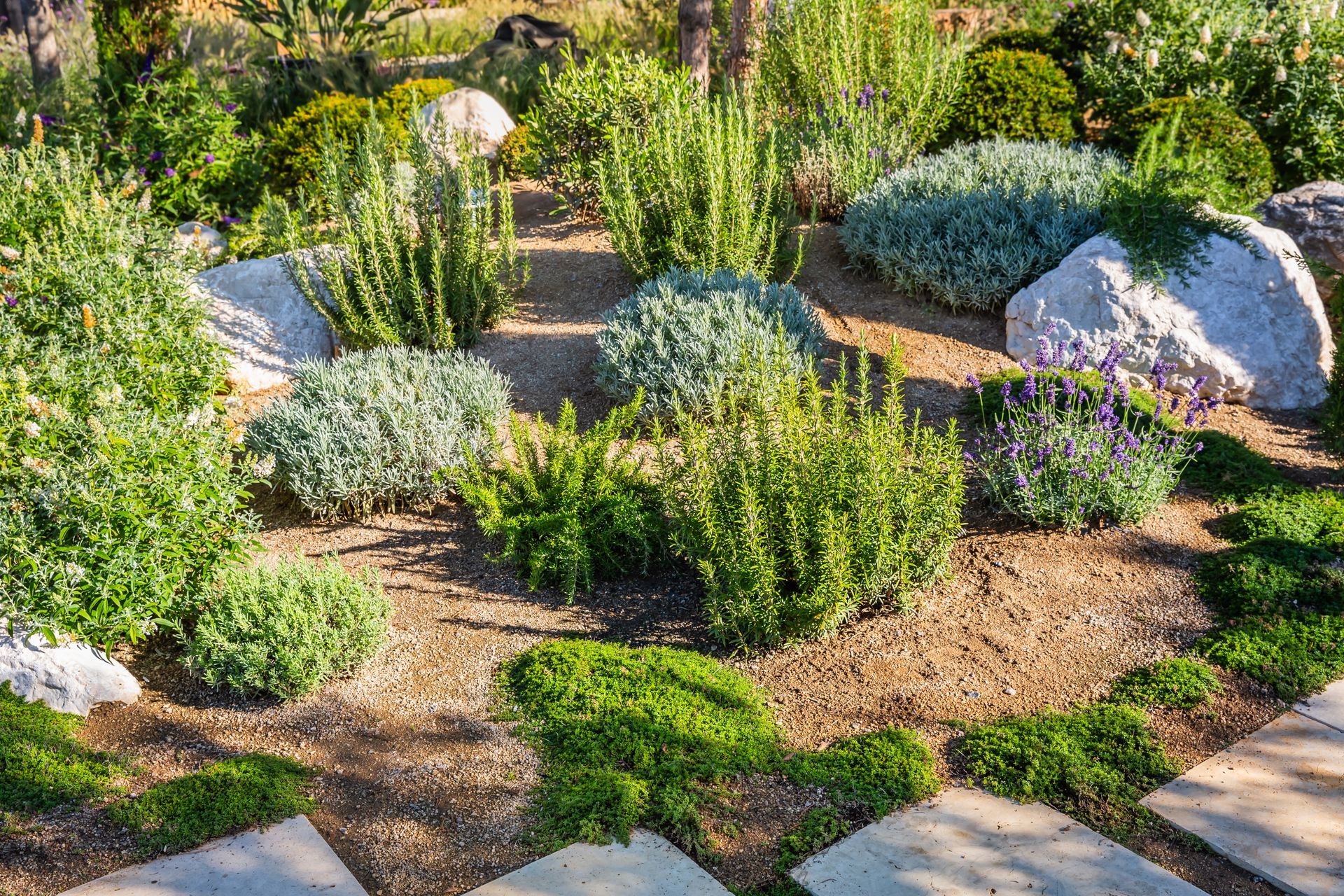
Combining gravel paths with planted islands creates a yard that looks intentional and finished without the water and mowing demands of a full lawn.
Artificial Turf as a Lawn Alternative
Artificial turf has come a long way. Modern versions look and feel much more realistic than older products, and they stay green all year without any watering, mowing, or fertilizing.
For families with kids or pets who need a soft surface to play on, artificial turf installation in a defined area gives you that without the upkeep of real grass. It works especially well in smaller yards or in side yards that are too shaded or dry for grass to grow reliably.
Raised Garden Beds for Easy Upkeep
Raised beds solve several South Texas soil problems at once. You fill them with quality soil and compost, so you are not fighting with clay or caliche. They drain better than in-ground beds, warm up faster in winter, and are easier to weed and harvest.
Cedar and metal raised beds are both good choices for this climate. Placed in a spot with morning sun and some afternoon shade, raised beds can produce vegetables, herbs, or flowers with far less effort than traditional garden rows.
Hardscape Features That Thrive in Hot Climates
Hardscape refers to the non-plant elements in your yard, including stone, concrete, wood, and metal structures. In South Texas, good hardscape choices can make a huge difference in how usable and attractive your outdoor space is.
Stone Pathways and Walkways
Natural stone paths are durable, attractive, and naturally suited to the South Texas environment. Flagstone, limestone, and decomposed granite paths hold up to heat and rain without cracking the way cheap concrete can.
A well-placed path connects different areas of your yard and reduces the amount of turf or bare soil people walk across. Edged with low-growing ground covers like turkey tangle frogfruit or creeping thyme, a stone path adds a finished look to the overall design. Our paver patios and walkways service covers everything from material selection to full installation.
Patios and Outdoor Living Areas
A covered patio is one of the best investments you can make in a South Texas home. It extends your usable living space outdoors for a large part of the year and provides the shade that makes outdoor sitting comfortable even in summer.
Concrete, flagstone, and pavers are all good surface choices for South Texas patios. They hold up to heat and heavy rain and require minimal maintenance. Adding a ceiling fan and outdoor lighting extends the hours you can use the space.
Fire Pits and Seating Zones
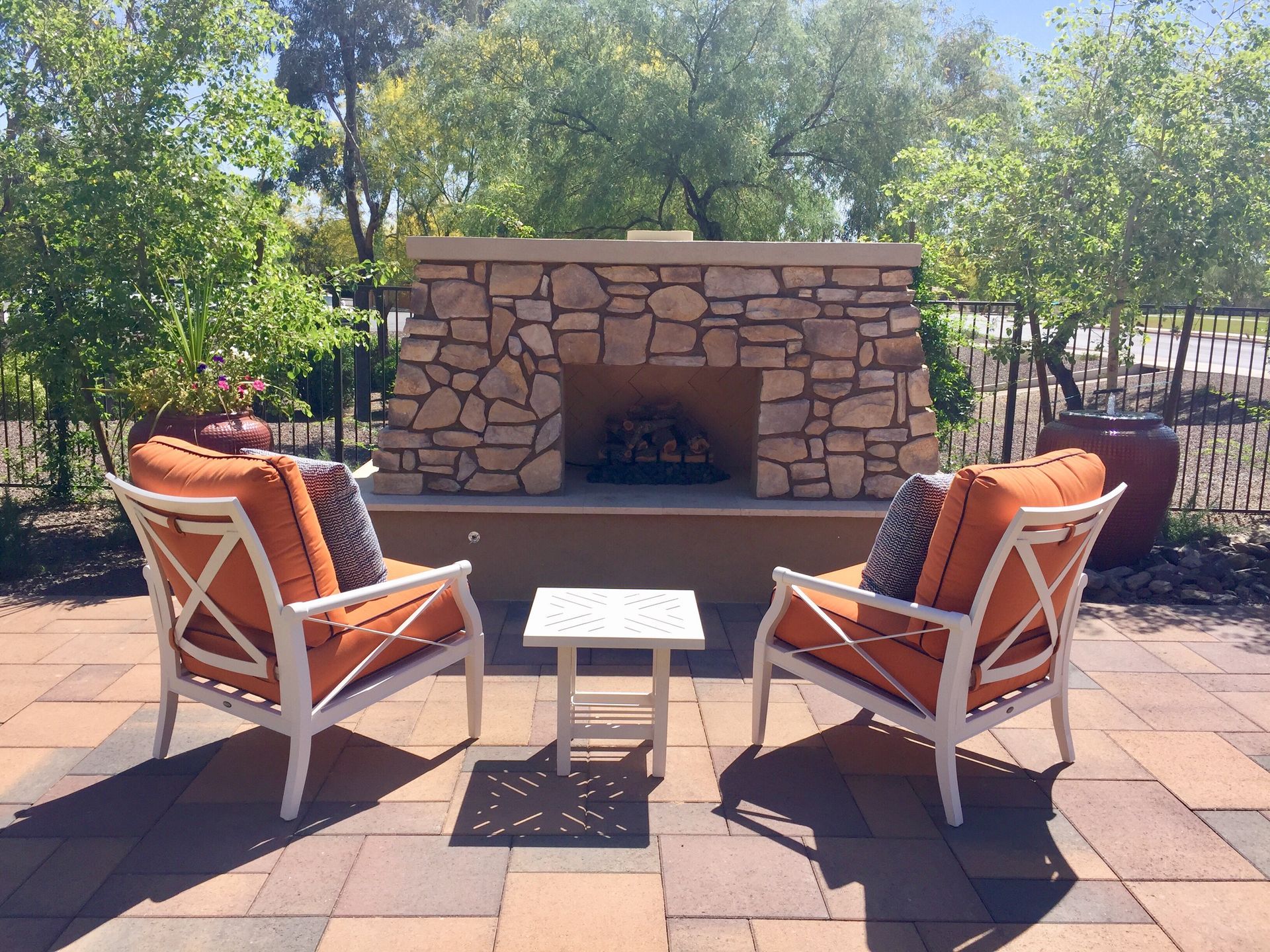
South Texas evenings, especially in fall and winter, are beautiful. A fire pit or outdoor fireplace with a surrounding seating zone gives you a dedicated outdoor gathering space you will actually use.
Gravel or decomposed granite around the fire pit is a practical and attractive base. Stone or metal fire pits both work well here. Keep them away from low-hanging branches and place them with enough clearance around the seating for comfort.
Retaining Walls and Decorative Rock Features
If your yard has any slope or elevation change, a retaining wall can solve drainage problems and add visual interest at the same time. Low limestone or stone retaining walls are a natural fit in South Texas and hold up for decades with minimal maintenance.
Decorative boulders and rock groupings are another way to add structure and texture to the yard without adding anything that needs watering or trimming.
Backyard Design Ideas for Functional Outdoor Living
The backyard is where most homeowners want to spend their time, and a few key additions can transform it from a space you ignore into one you actually use.
Creating Outdoor Entertainment Spaces
A defined entertainment area, whether it is a patio, a deck, or a gravel pad with furniture, gives your backyard a sense of purpose. Add a shade structure above it and you have a space that works from March through November without anyone overheating.
Outdoor kitchens and grilling stations are increasingly popular here because the weather allows outdoor cooking and eating most of the year. A simple built-in grill with a prep counter goes a long way.
Adding Pergolas, Shade Structures, and Covered Areas
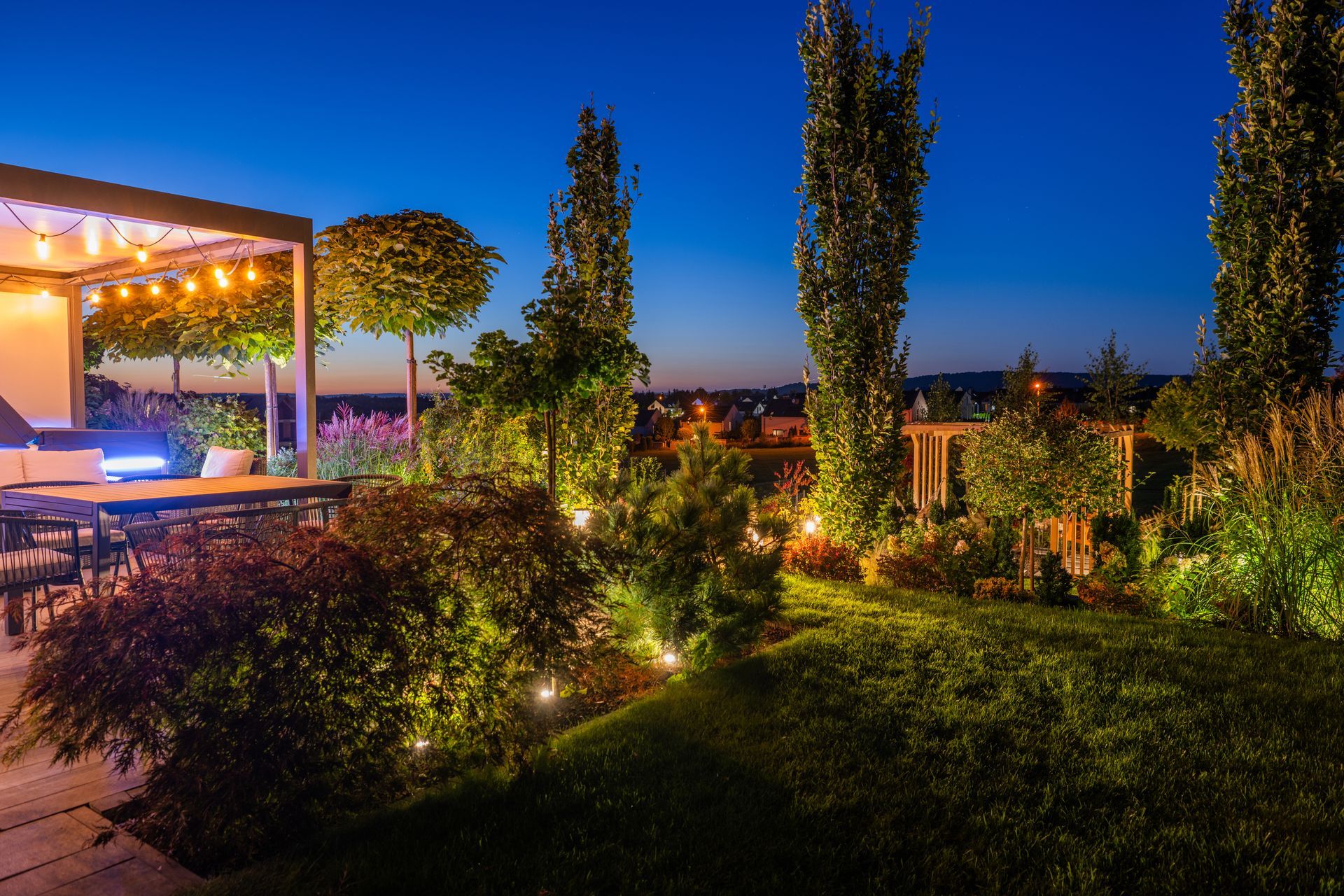
A pergola does not block all sunlight, but it reduces the intensity enough to make an outdoor space more comfortable and it gives you a structure to hang string lights, shade cloth, or climbing plants from.
Wood pergolas look beautiful but require more maintenance in South Texas weather. Cedar and redwood hold up better than pine. Metal pergolas are more durable and low maintenance, with a cleaner modern look that suits many newer home styles.
Designing for Privacy with Plants and Structures
Privacy is a real consideration in many South Texas neighborhoods. Instead of solid walls, layered plantings of tall native shrubs create a natural screen that also provides habitat and looks good.
Texas mountain laurel, Anacua, Mexican olive, and tall ornamental grasses all work well as privacy plantings. They grow dense enough to block sightlines without needing a lot of irrigation once established.
Container Gardens for Flexibility and Style
Container gardens let you grow plants that might not survive in your in-ground soil, and you can move them around as the seasons change. Large ceramic or metal containers work beautifully on patios, near entryways, or along fence lines.
Agaves, aloes, colorful succulents, and herbs like rosemary and Mexican oregano all thrive in containers in South Texas. They add color and life to hardscape areas without demanding much water.
Plant Selection Ideas for South Texas Landscapes
Choosing the right plants is the single most important decision you make in your landscape. Get this right, and everything else becomes easier.
Native Plants That Thrive in Heat
Texas sage (Leucophyllum frutescens) blooms purple after rain and needs almost no care. Blackfoot daisy produces cheerful white flowers most of the year. Lantana draws butterflies and hummingbirds and spreads beautifully in hot sun. Turk's cap is one of the toughest flowering plants in the region, doing well even in part shade.
These plants were here long before anyone was irrigating them. They know how to survive.
Drought-Resistant Shrubs and Groundcovers
Rosemary doubles as a culinary herb and a tough drought-tolerant shrub. Skeleton-leaf goldeneye, esperanza (yellow bells), and autumn sage all add color and need very little water once they are established. For groundcovers, frogfruit and silver ponyfoot both spread to fill areas where grass won't grow.
Low-Water Trees for Shade and Structure
Anaqua, cedar elm, and Texas persimmon are all native trees that grow well here and provide meaningful shade. Live oak is the classic South Texas shade tree, but it grows slowly. Desert willow is faster growing with beautiful blooms and is excellent near drainage areas.
Seasonal Color Without High Maintenance
For color through the seasons, rely on plants with long bloom times rather than annuals you have to replace every few months. Salvias, native zexmenia, and Gulf muhly grass all provide color without demanding constant attention.
Small Yard and Budget-Friendly Landscaping Ideas
You do not need a large space or a large budget to create a yard that looks good and performs well.
Maximizing Space with Simple Layouts
Simple designs work. A clean gravel ground cover with a few well-placed plants and a defined seating area can transform a small backyard completely. Avoid the temptation to fill every inch of space. Negative space, areas without plants or structures, gives a yard room to breathe and looks intentional.
Using Vertical Elements and Layering
Vertical space is often underused. A fence covered in native vines like coral honeysuckle, a tall ornamental grass at the back of a border, or a trellis with a climbing plant adds height and visual interest without taking up ground space.
Affordable Materials That Last in Hot Weather
Decomposed granite, river rock, and recycled concrete pavers are all affordable and hold up well in South Texas heat. Cedar mulch is inexpensive and effective at reducing soil moisture loss around plantings.
Eco-Friendly and Sustainable Landscaping Practices
Sustainable landscaping goes hand in hand with smart South Texas design. When you work with the climate instead of against it, the results are better for your wallet and for the environment.
Water Conservation Techniques
Drip irrigation, rain-catching basins designed to slow runoff, and mulched planting beds all reduce water use significantly. Grouping plants with similar water needs together, a practice called hydrozoning, makes irrigation more efficient and prevents over-watering.
Soil Improvement and Mulching
Adding compost to planting beds improves both clay and sandy soils over time. A 3-inch layer of mulch around all plantings holds moisture, moderates soil temperature, and reduces weed pressure. Refreshing mulch once a year is one of the highest-return maintenance tasks in any South Texas landscape.
Reducing Maintenance Through Smart Design
The single most effective way to reduce maintenance is to choose the right plants and put them in the right place from the start. A plant in the right spot rarely needs rescue watering, extra fertilizer, or pest control. Design with that goal in mind and the yard largely takes care of itself.
Bringing It All Together: Designing a Cohesive South Texas Yard
A great yard is not a collection of individual elements, it is a unified design where everything works together.
Balancing Softscape and Hardscape
A yard with too much hardscape feels stark and hot. A yard with too much softscape can feel overgrown and hard to maintain. The right balance depends on your lifestyle and how much time you want to spend on upkeep, but most South Texas yards benefit from roughly 50 to 60 percent hardscape and low-water ground cover with the remainder in planted areas.
Creating Year-Round Visual Interest
Use a mix of plants with different bloom times, textures, and heights so the yard has something interesting to look at in every season. Ornamental grasses that move in the breeze, evergreen shrubs that hold structure in winter, and spring and fall bloomers keep the yard dynamic year round.
Planning for Long-Term Maintenance and Growth
New plants need more water during the first year or two while they establish their root systems. After that, most native and drought-tolerant plants need far less. Plan your irrigation schedule with this in mind and reduce supplemental watering gradually as plants mature.
Think about how large things will grow. A plant that looks perfect at 2 feet can become a problem at 10. Give plants the space they need from the start, and your yard will fill in cleanly over time rather than becoming crowded.
A well-designed South Texas yard is one of the most rewarding investments you can make in your home. It adds curb appeal, creates outdoor living space your family will actually use, and does it all without demanding excessive water or weekend hours from you. When you design for the climate you have, rather than the one you wish you had, everything works better.
Ready to Transform Your South Texas Yard?
If you are ready to stop fighting your yard and start enjoying it, CC Lawn Pros is here to help. We design and install landscapes built specifically for South Texas conditions, from drought-tolerant planting plans and drip irrigation to paver patios, fire pits, retaining walls, and artificial turf. Every project is handled by a local team that knows this climate and has worked in it for years.
Whether you have a clear vision or are not sure where to start, we are happy to walk through your yard with you and talk through your options. No pressure, just honest advice from people who do this work every day.
Contact us today to schedule a consultation, or
browse our landscaping and hardscaping services to see everything we offer.
Frequently Asked Questions