
Artificial Turf vs. Grass: Which Is Better for Corpus Christi Homes?
At CC Lawn Pros, we have installed both artificial turf and natural grass lawns across Corpus Christi and the surrounding South Texas coast for years. We have seen what holds up in this climate and what does not. That direct experience with local soil, heat, humidity, and water conditions is what shapes every recommendation we make. This guide is not about pushing one option over the other. It is about giving you the honest information you need to make the right call for your home, your budget, and the way you actually use your yard.
Understanding Lawn Challenges in Corpus Christi
Before comparing turf and grass, it helps to understand what any lawn in Corpus Christi is up against. This is not a forgiving climate for traditional landscaping, and that reality shapes the decision significantly.
Heat, Humidity, and Coastal Conditions
Corpus Christi sits in a zone where summer temperatures regularly top 95 degrees Fahrenheit, often with high humidity that makes the heat feel even more intense. The coastal environment adds salt air to the mix, which can stress plants and accelerate the wear on materials.
That combination of heat and coastal exposure limits which grass varieties actually thrive here and adds to the demands of keeping any lawn looking presentable through the summer months.
Water Restrictions and Rising Utility Costs
South Texas has dealt with water restrictions in drought years, and outdoor watering is one of the first things that gets capped. A natural grass lawn in this region can require 1 to 2 inches of water per week to stay healthy during summer, and when restrictions kick in, the lawn often suffers.
Water costs in the area have also risen steadily, meaning a thirsty lawn has a real monthly cost attached to it. For many homeowners, that ongoing expense is one of the main reasons they start looking at alternatives.
Soil and Maintenance Challenges for Natural Grass
Much of the Corpus Christi area has heavy clay or sandy coastal soils that do not drain evenly and can make it difficult to establish and maintain a consistent lawn. Grass competes with weeds and pests year round in this warm climate, and the growing season never really stops, which means mowing and maintenance do not stop either.
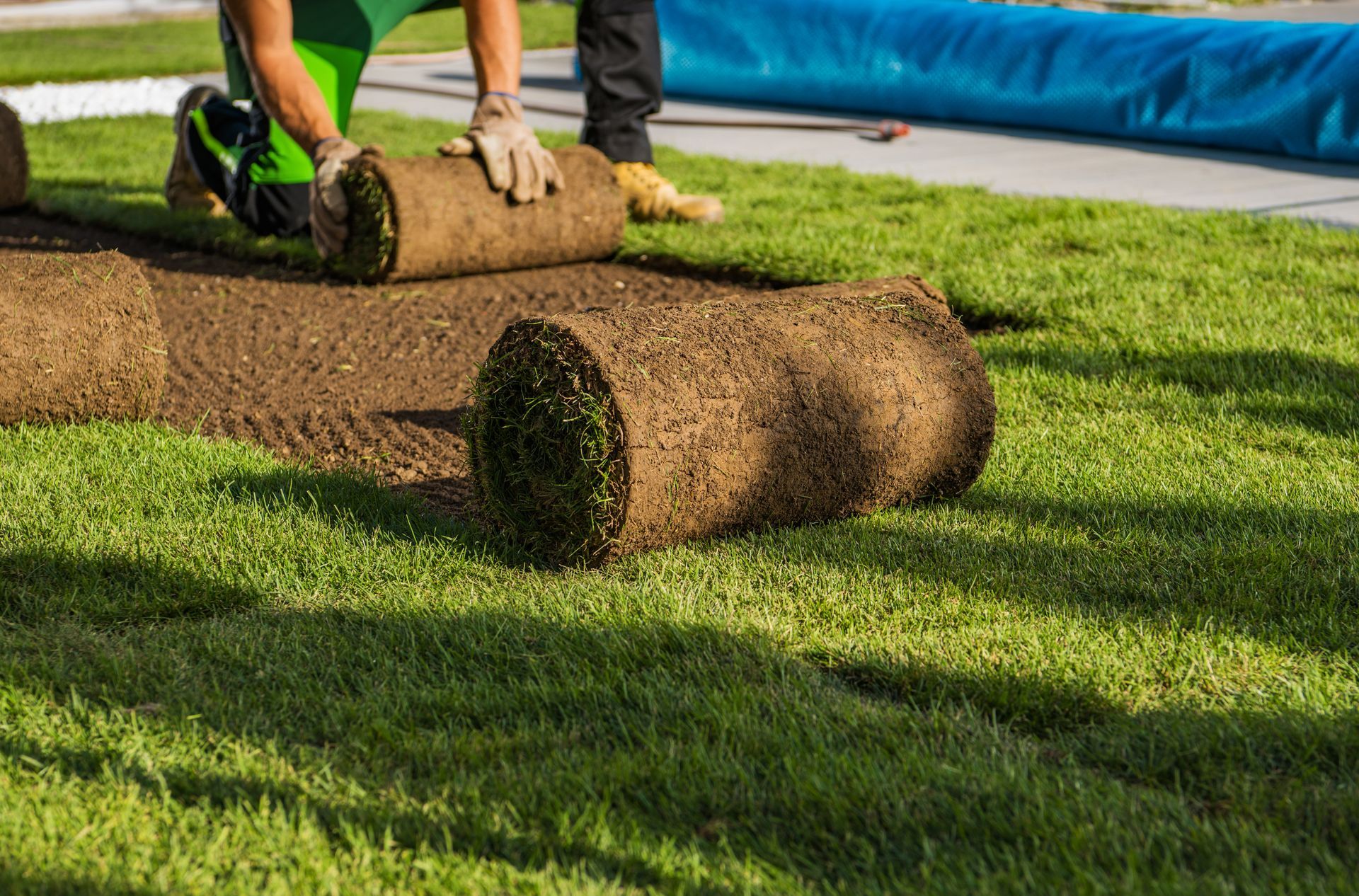
What Is Artificial Turf?
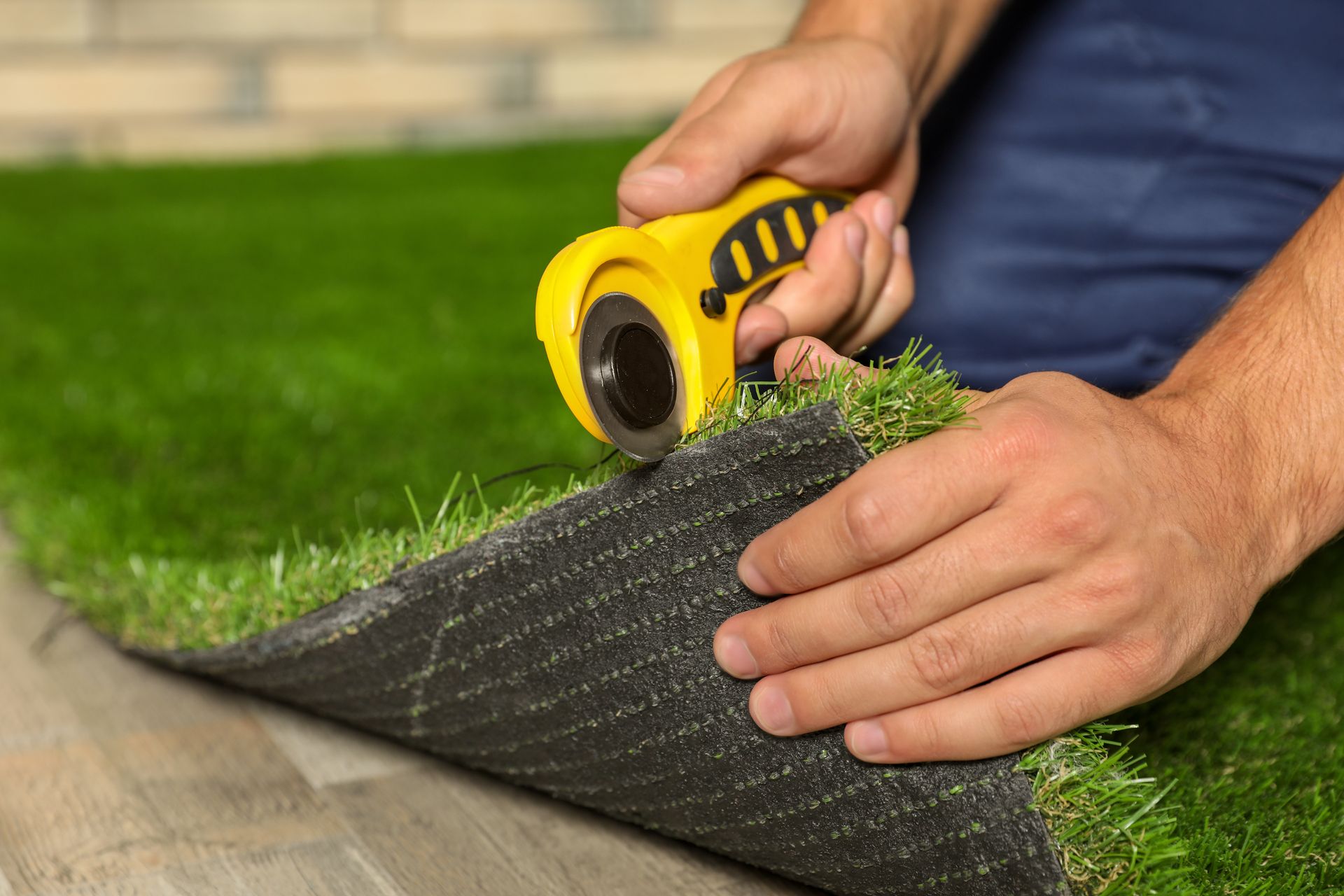
Artificial turf is a synthetic surface designed to look and feel like natural grass. It has been around for decades, but the technology has improved dramatically in recent years. For a side-by-side overview of how the two surfaces compare at a basic level, see our post on what artificial turf is vs. natural grass.
How Synthetic Grass Is Made
Modern artificial turf is typically made from polyethylene or a blend of polyethylene and polypropylene fibers. These fibers are tufted into a backing material, with a layer of infill, usually silica sand, crumb rubber, or a combination, added to support the blades upright and provide cushioning underfoot.
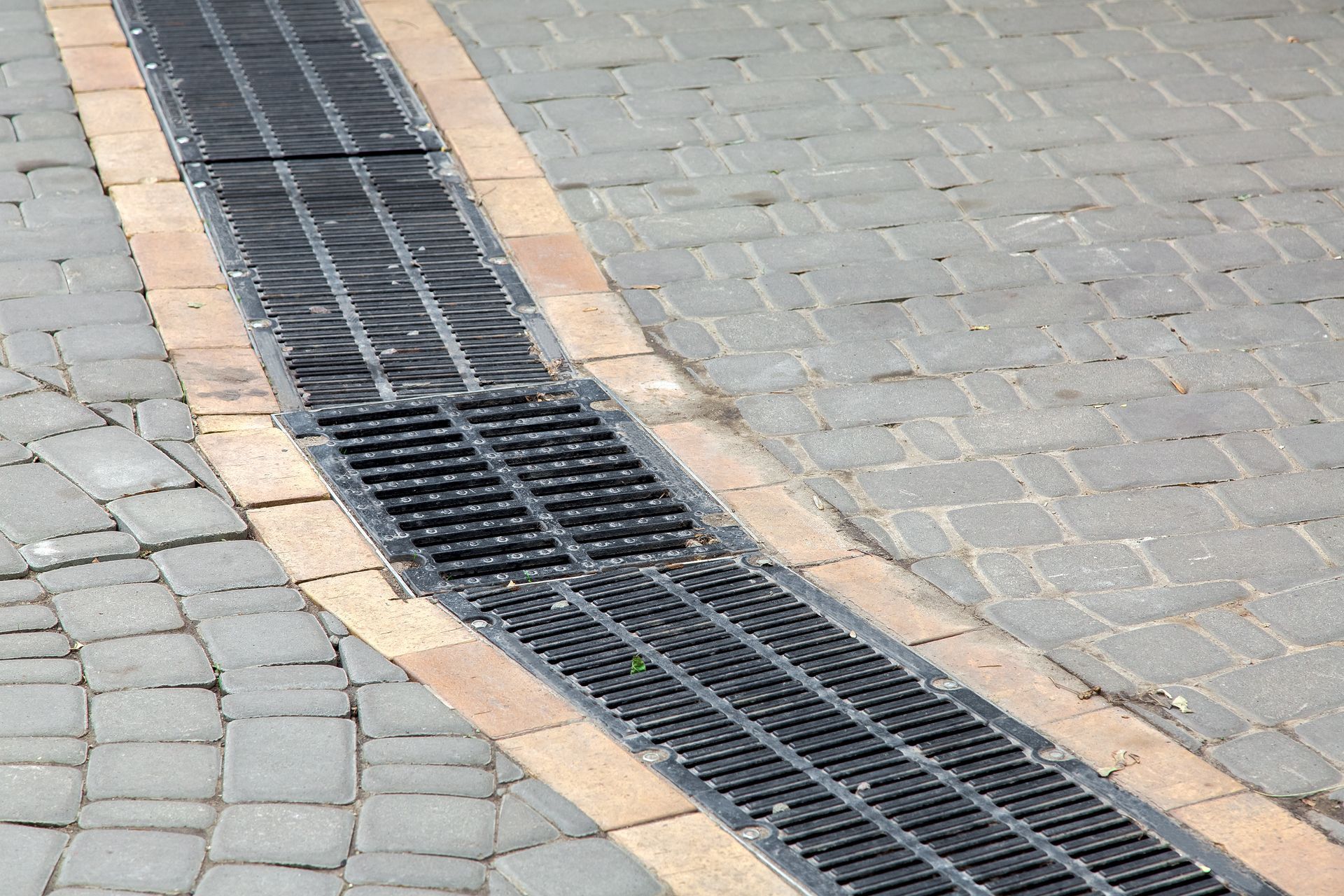
The backing includes drainage holes so water moves through the surface rather than pooling on top. Pairing turf with a well-designed drainage and irrigation system ensures water moves away from the surface efficiently, which matters especially during heavy coastal rains.
Common Uses for Residential Properties
In Corpus Christi, artificial turf is most commonly used for front and backyard lawns, pet runs, side yards where natural grass struggles to grow, and putting greens. It also works well around pool areas and patios where foot traffic is heavy and water and mud can become a problem. Learn more about our artificial turf installation service and what the process involves.
Modern Advancements in Turf Technology
Today's turf products are significantly more realistic than earlier versions. Fiber blades come in multiple shades of green with brown thatching woven in to mimic the look of real grass. Pile heights vary so you can choose a look that suits your home. Drainage rates have improved, and some newer products include cooling technology designed to reduce surface heat retention.
What Is Natural Grass?
Natural grass is a living plant system that, when matched to the right environment, provides a soft, cooling surface with real ecological value.
Popular Grass Types in South Texas
The most common grass types for Corpus Christi yards are St. Augustine, Bermuda, and Zoysia. St. Augustine is widely used for its shade tolerance and thick texture, though it requires consistent watering and fertilization. Bermuda is more drought tolerant and recovers quickly from wear, making it a solid choice for high-traffic yards. Zoysia falls in between, with good heat tolerance and a dense growth habit that resists weeds.
Benefits of a Living Lawn
Natural grass cools the air around it through a process called transpiration. On a hot day, a healthy grass lawn can be 30 to 40 degrees cooler at the surface than artificial turf or bare concrete. It also absorbs rainwater, filters pollutants, and supports soil health. For homeowners who value those environmental qualities, natural grass has real advantages that a synthetic surface cannot replicate.
Typical Maintenance Requirements
A natural grass lawn in Corpus Christi needs mowing every 7 to 14 days during the growing season, regular irrigation, fertilization two to four times per year, weed control, and periodic pest management. It also needs occasional aeration and overseeding to stay thick and healthy.
Artificial Turf vs. Grass: Key Differences
Appearance and Curb Appeal
Both options can look excellent when properly installed and maintained. Natural grass has a depth and texture that even the best artificial turf does not fully replicate up close. However, natural grass also goes dormant, develops bare spots, and can look patchy during drought or pest damage. Artificial turf looks the same in January as it does in July, which is a real advantage in terms of consistent curb appeal.
Maintenance and Upkeep
This is where the two options diverge most sharply. Natural grass needs weekly attention during the growing season. Artificial turf needs occasional rinsing, brushing to keep fibers upright, and removal of debris. There is no mowing, no fertilizing, and no seasonal treatments required. For homeowners with limited time or those who simply do not enjoy yard maintenance, the difference is significant.
Water Usage and Environmental Impact
Natural grass lawns in South Texas use hundreds of gallons of water per week during summer. Artificial turf uses none for irrigation. That is a meaningful difference in water-scarce years and a real reduction in monthly utility costs. On the other side, artificial turf is a petroleum-based product with a finite lifespan, and it does not provide the same ecological benefits as living grass. The environmental trade-off depends on how you weigh water conservation against material sourcing and end-of-life disposal.
Durability and Longevity
A well-installed artificial turf system typically lasts 15 to 20 years with normal residential use. Natural grass, properly cared for, can last indefinitely but requires consistent investment to stay healthy. High-traffic areas in natural grass lawns wear out and need overseeding or resodding. Artificial turf holds up better in those same high-use spots.
Cost Comparison: Short-Term vs. Long-Term
Artificial turf costs more upfront. Installation for a residential yard in the Corpus Christi area typically runs between $8 and $15 per square foot, depending on the product and site preparation required. Natural grass sod installation is considerably less, usually $1 to $3 per square foot installed.
Over time, the math shifts. Artificial turf eliminates water costs, fertilizer, pest control, and weekly mowing. When you factor in 10 to 15 years of those ongoing costs, many homeowners find that artificial turf reaches cost parity or comes out ahead.
Benefits of Artificial Turf for Corpus Christi Homes
Significant Water Savings
Eliminating irrigation for your lawn can reduce your outdoor water use by 50 percent or more. In a region that faces periodic drought restrictions and rising water rates, that is both a financial and a practical advantage.
Low Maintenance Lifestyle
No mowing, no edging, no fertilizing, no weed treatments. For busy homeowners or those who simply want to spend their weekends doing something other than yard work, artificial turf delivers a consistently clean yard without the weekly commitment.
Year-Round Green Appearance
South Texas heat and drought cycles can make natural grass look thin or brown for months at a time. Artificial turf stays green and neat through every season, which matters for curb appeal and general satisfaction with your yard.
Pet- and Family-Friendly Features
Quality artificial turf drains quickly, so pet waste rinses through easily with a hose. The surface is firm and consistent, which works well for kids playing outdoors. Many products are also designed with antimicrobial properties to reduce odors in pet areas.
Benefits of Natural Grass for Corpus Christi Homes
Natural Cooling Effect
This is the strongest environmental argument for natural grass. On a hot Corpus Christi afternoon, a healthy lawn keeps surface temperatures dramatically lower than synthetic alternatives. If you have children or pets who spend a lot of time outside, especially on the ground, that cooling effect is a real quality-of-life benefit.
Environmental and Ecosystem Benefits
Living grass supports soil microbes, filters stormwater, sequesters a small amount of carbon, and provides habitat for insects and birds. For homeowners who prioritize environmental stewardship, these qualities matter in ways that a synthetic surface cannot match.
Lower Upfront Installation Costs
If budget is the primary concern right now, natural grass wins on installation cost by a wide margin. Sod installation is accessible for most budgets, and seeding is even less expensive, though it takes longer to establish.
Traditional Look and Feel
There is something about a real grass lawn that is hard to replicate. The texture underfoot, the smell after rain, the way it moves in a coastal breeze. For homeowners who value that sensory experience, natural grass remains the preferred choice.
Potential Drawbacks to Consider
Artificial Turf Limitations
The most common complaint about artificial turf is heat retention. On a sunny summer afternoon, turf surface temperatures can reach 150 to 180 degrees Fahrenheit in direct sunlight, far hotter than natural grass. Shade trees, pergolas, or shade sails can significantly reduce this. The other main consideration is the upfront cost, which is a real barrier for some budgets even when the long-term math works in turf's favor.
Natural Grass Challenges
Natural grass in Corpus Christi is a genuine commitment. The heat, salt air, clay soil, and long growing season create a maintenance cycle that does not pause. Drought years and watering restrictions can damage lawns quickly, and recovering them takes time and money. Pest pressure from chinch bugs, grubs, and other warm-weather insects is also a recurring challenge in this region.
Cost Breakdown: Turf vs. Grass Over Time
Installation Costs
For a 1,000 square foot lawn, artificial turf installation typically ranges from $8,000 to $15,000 in the Corpus Christi area. Natural grass sod for the same area usually runs $1,000 to $3,000 installed. For a deeper breakdown of what goes into turf pricing locally, see our guide to artificial turf cost in Corpus Christi.
Ongoing Maintenance Expenses
Natural grass in South Texas costs an estimated $1,200 to $2,500 per year in water, fertilizer, pest control, and mowing when all costs are added together. Artificial turf maintenance costs are minimal, usually under $100 per year for occasional cleaning supplies.
Long-Term Value and ROI
Over a 15-year period, total cost of ownership for natural grass often exceeds $20,000 when water and ongoing care are included. Artificial turf, including installation, often comes in below that figure over the same timeframe, making it a competitive long-term investment rather than just a luxury upgrade.
Which Option Is Right for Your Home?
Best Choice for Low-Maintenance Homeowners
If you want a yard that looks good without consistent time and effort, artificial turf is the clear answer. It delivers a clean, green appearance every day of the year without a weekly maintenance commitment.
Best Option for Budget-Conscious Projects
If your primary concern is minimizing upfront cost, natural grass sod is the more accessible starting point. Bermuda grass in particular is a durable and relatively affordable option for Corpus Christi yards.
Considerations for Pets, Kids, and Usage
Both options work well for families and pets, but artificial turf holds up better in high-traffic areas. Natural grass in heavily used spots tends to wear thin and require overseeding. If your yard sees a lot of activity, turf offers more consistent performance over time.
Climate and Lifestyle Factors
If you value the natural cooling effect, the environmental benefits, and the sensory experience of a real lawn and you are willing to invest time and money in its upkeep, natural grass is a rewarding choice in the right conditions. If you want water savings, lower maintenance, and reliable appearance through heat and drought, artificial turf is the more practical fit for South Texas living.
Final Thoughts: Choosing the Right Lawn for Coastal Texas Living
Balancing Aesthetics, Budget, and Maintenance
There is no single right answer for every homeowner. The best choice depends on your budget, how you use your yard, how much maintenance you are willing to take on, and how much you value the qualities that only a living lawn can provide. Both options are legitimate, and both can look excellent when installed and cared for properly.
Planning for Long-Term Performance in the Corpus Christi Climate
Whatever you choose, planning for the local climate from the start makes a real difference. Selecting a turf product with adequate drainage and UV resistance matters here. Choosing a grass variety suited to heat and salt air matters too. A lawn that was designed with Corpus Christi conditions in mind will always outperform one that was not.
If you are still weighing your options or want to talk through what makes sense for your specific yard and budget, CC Lawn Pros is here to help. We have worked with both options across Corpus Christi for years and can give you a straight answer based on your actual situation.
Ready to Make a Decision for Your Corpus Christi Yard?
Whether you are leaning toward artificial turf, want to resod with a grass that actually thrives here, or are still weighing both options, CC Lawn Pros can help you figure out the right move for your yard and your budget. We have installed both across Corpus Christi and the surrounding area, and we will give you an honest recommendation based on your specific situation, not a sales pitch.
Contact us today to schedule a consultation, or explore our artificial turf installation service to learn more about what the process looks like from start to finish.
Frequently Asked Questions