
Best Plants for South Texas Landscaping: Heat-Tolerant Options for Corpus Christi
The best plants for Corpus Christi landscapes handle three things at once: long stretches of heat above 90 degrees, dry spells and watering restrictions, and salty coastal wind. Reliable choices include Texas sage (cenizo), esperanza, Turk's cap, lantana, firebush, plumbago, Gulf muhly, agave, and native sabal palms, with live oaks and Mexican olive for shade. Natives and Texas-proven adapted plants usually outperform tropical imports here, especially after hard freezes like the one in February 2021. Which plants work best in your yard depends on whether you are near the bay or inland, how much sun the bed gets, and how well your soil drains.
Lawn Pros has been designing, installing, and maintaining landscapes in Corpus Christi and the Coastal Bend since 2019, from our base on Saratoga Boulevard. We plant beds from Calallen to Flour Bluff and out to Portland, Rockport, and Aransas Pass, and we see firsthand which plants thrive in local conditions and which ones homeowners end up replacing after the first summer. This guide is built from that experience.
In This Guide
- What Makes South Texas Landscaping Different: Heat, salt, soil, and freezes.
- Top Plants at a Glance: A quick reference table.
- Flowering Shrubs and Perennials: Color that handles summer.
- Ornamental Grasses and Succulents: Texture with little water.
- Trees and Palms: Shade and structure.
- Plants for Coastal and Bayfront Yards: Salt spray and wind.
- Designing Beds That Last: Grouping, spacing, and pollinators.
- Plants to Use With Caution: Toxic, invasive, or freeze-tender choices.
- Planting and Watering Tips for Corpus Christi: Getting plants established.
- Frequently Asked Questions: Quick answers.
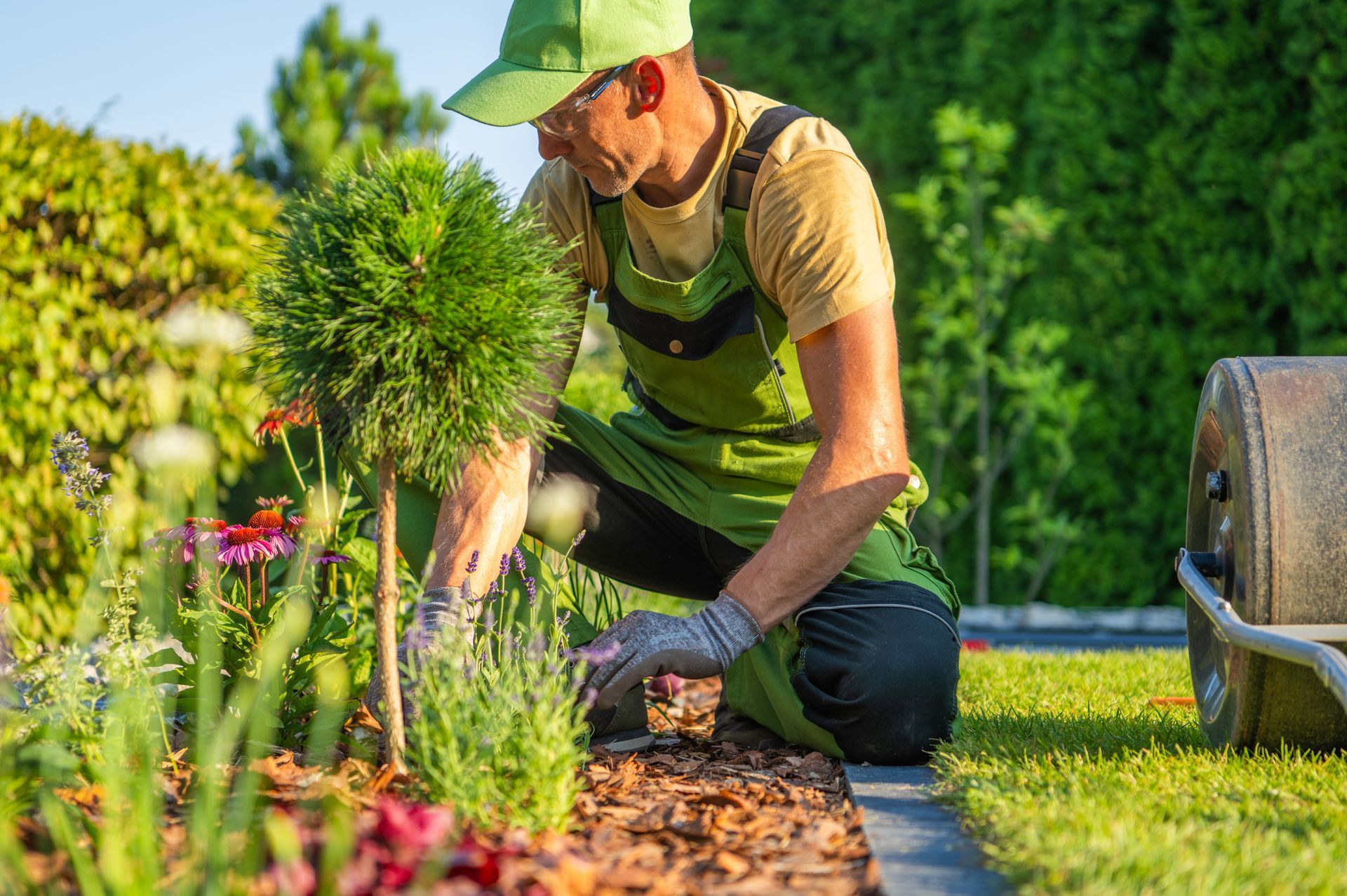
What Makes South Texas Landscaping Different
Plant lists written for "Texas" often miss what makes the Coastal Bend unique.
Long, Humid Heat
Corpus Christi summers are long, hot, and humid. Plants need to handle months of high temperatures without much relief at night, and they need to resist fungal problems that come with humidity.
Salt and Wind
Steady Gulf winds carry salt spray inland, especially near the bay, Ocean Drive, North Padre Island, Portland, and Rockport. Salt burns the leaves of sensitive plants and can build up in the soil. Wind dries plants out faster than heat alone.
Heavy Clay and Sandy Soils
Much of Corpus Christi has heavy, alkaline clay that drains slowly and cracks when dry. Areas near the coast and on the islands have sandy soil that drains fast and holds few nutrients. The same plant can thrive in one and struggle in the other.
Drought and Watering Restrictions
The Coastal Bend goes through extended dry periods, and the City of Corpus Christi has enforced watering restrictions during recent droughts. Plants that need frequent watering become expensive and frustrating when restrictions tighten. Check the current drought stage before planning irrigation.
Occasional Hard Freezes
Freezes are rare, but they happen. The February 2021 winter storm damaged or killed many tropical plants and palms that had done well for years. A landscape built mostly on cold-tender plants can be wiped out in a single night. The plants that came back strongest after 2021 were mostly natives and adapted plants with deep roots.
Top Plants at a Glance
These plants consistently perform well in Corpus Christi yards. All are heat tolerant, and most are drought tolerant once established.
| Plant | Type | Why It Works in Corpus Christi |
|---|---|---|
| Texas sage (cenizo) | Evergreen shrub | Native, extremely drought tolerant, blooms after rain |
| Esperanza (yellow bells) | Flowering shrub | Native, blooms through summer heat, attracts pollinators |
| Turk's cap | Shrub or perennial | Native, handles sun or part shade, coastal tolerant |
| Firebush | Flowering shrub | Thrives in heat, long bloom season, hummingbird favorite |
| Lantana | Groundcover or shrub | Very heat and salt tolerant, blooms most of the year |
| Plumbago | Flowering shrub | Soft blue flowers, good coastal performer |
| Gulf muhly | Ornamental grass | Native, salt and drought tolerant, pink fall plumes |
| Agave | Succulent | Minimal water, strong structure, wind tolerant |
| Sabal palm (Texas palmetto) | Palm | Native, more cold hardy than many palms |
| Live oak | Shade tree | Native, wind tolerant, long lived |
Flowering Shrubs and Perennials
Color is where many South Texas landscapes struggle, because many popular flowering plants stop blooming or burn out by July. These keep going.
Texas Sage (Cenizo)
Texas sage has silvery foliage and bursts of purple blooms after rain. It needs full sun and good drainage and does poorly with too much water. In heavy clay, plant it in a raised or well-amended bed.
Esperanza
Esperanza, also called yellow bells, produces golden trumpet flowers from spring until frost. It may die back in a freeze but usually returns from the roots. It is one of the best plants for constant summer color.
Turk's Cap
Turk's cap is one of the most adaptable natives we plant. It handles full sun or shade, tolerates coastal conditions, and attracts hummingbirds with its small red flowers. It is a good choice for shaded beds where other bloomers struggle.
Firebush and Lantana
Firebush thrives in heat, blooms for months, and draws hummingbirds and butterflies. Lantana is one of the toughest flowering plants for the coast, handling heat, salt, and drought. Both can freeze back in a hard winter but often recover.
Plumbago and Salvias
Plumbago adds soft blue color and holds up well near the coast. Native salvias, such as autumn sage and scarlet sage, bloom repeatedly and attract pollinators.
Ornamental Grasses and Succulents
Grasses and succulents add texture and structure with very little water.
Gulf Muhly
Gulf muhly is a native grass with fine green foliage and clouds of pink plumes in fall. It tolerates salt and drought and looks great massed along borders or near the water.
Agave and Yucca
Agaves and yuccas handle heat, wind, and drought with almost no care. Place them away from walkways and play areas, since many have sharp tips. They also look best with space around them rather than crowded into a bed.
Other Grasses
Native grasses like seacoast bluestem and sea oats work well in coastal and naturalized areas. For lawns, warm-season grasses like St. Augustine and Bermuda are common, and seashore paspalum is an option where salt is a major concern. Our guide to
drought-tolerant plants for Corpus Christi yards covers more water-wise options.
Trees and Palms
Trees and palms anchor a landscape and provide shade, but they are also the most expensive plants to lose.
Shade Trees
Live oaks are native, wind tolerant, and long lived, making them a strong choice for larger yards. Mexican olive, a native with white flowers, suits smaller spaces. Texas ebony and anacua are other natives that handle heat and drought. Plant trees well away from foundations and utilities, and see our guide on what to plant next to a house foundation.
Palms
Palms define the coastal look, but they vary widely in cold tolerance. The native sabal palm, also called Texas palmetto, handles cold better than many popular tropical palms. Some palms commonly sold here suffered heavy losses in the 2021 freeze. Learn more in our guide to whether palm trees are native to Texas.
Ongoing Tree Care
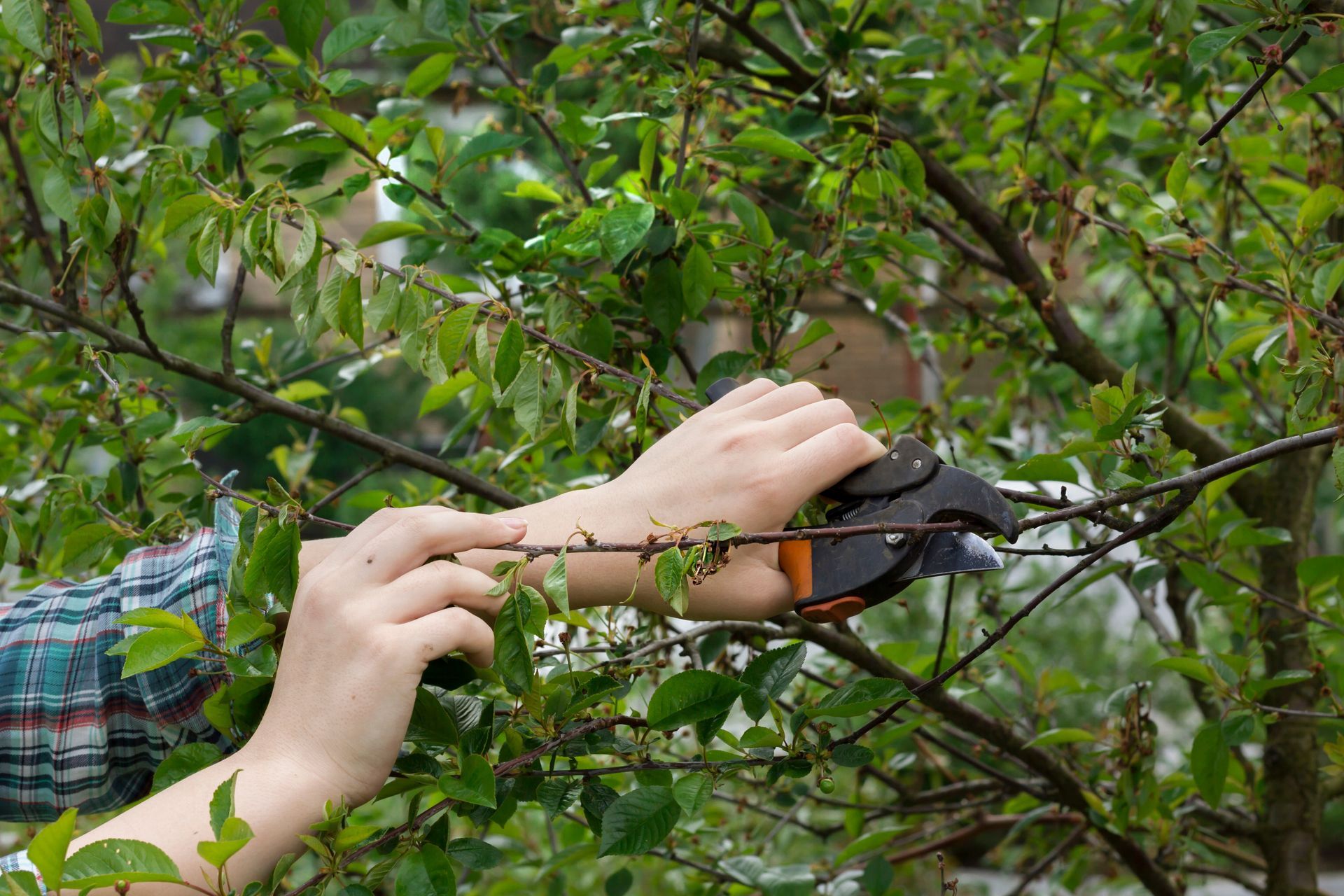
Trees in windy coastal areas benefit from regular pruning to reduce storm damage. Our
tree trimming services help keep them healthy and safer during hurricane season.
Plants for Coastal and Bayfront Yards
Properties close to the water face the toughest conditions. For these yards:
- Use the most salt-tolerant plants on the windward side, such as lantana, Gulf muhly, agave, and seashore paspalum.
- Create windbreaks with fences, walls, or tough shrubs to protect less tolerant plants.
- Place sensitive plants in sheltered spots, such as courtyards or the leeward side of the house.
- Rinse salt off leaves after storms with strong onshore winds, when practical.
- Choose sandy-soil plants on the islands, where soil drains quickly and holds few nutrients.
Plants that do well a few miles inland may struggle on the bayfront, so coastal yards often need a different plant list than inland neighborhoods.
Designing Beds That Last
Picking good plants is only half the job. How they are arranged decides whether a bed still looks good after its third summer.
Group Plants by Water Needs
Putting a thirsty plant next to a drought-tolerant one forces you to overwater one or underwater the other. Grouping plants with similar water needs, sometimes called hydrozoning, keeps irrigation simple and helps during watering restrictions. Succulents and Texas sage go together. Turk's cap and other shade-friendly plants go together.
Layer Heights and Leave Room to Grow
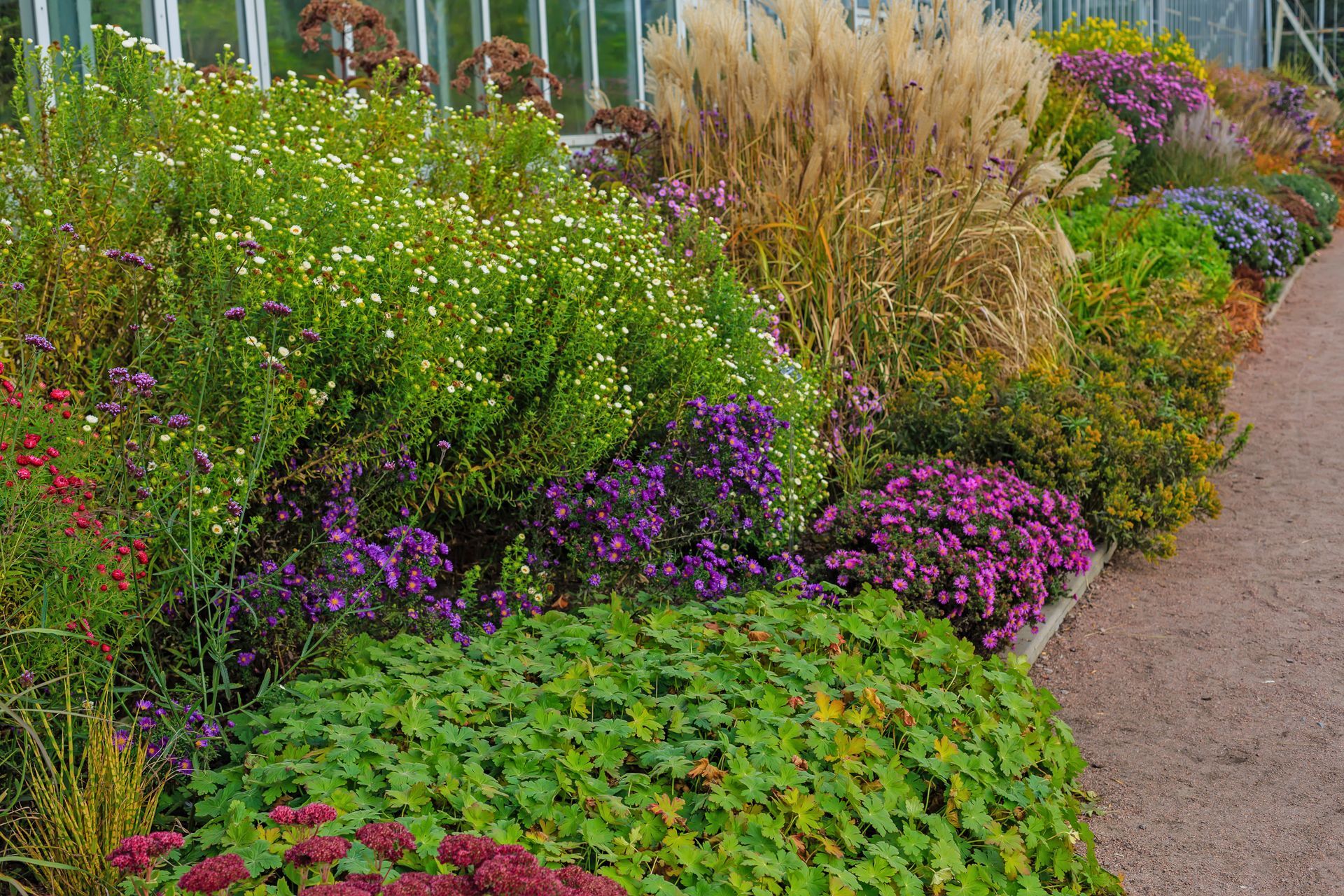
Place taller shrubs and grasses at the back of a bed or against walls, mid-sized bloomers in the middle, and low groundcovers like lantana at the front. Many South Texas shrubs grow faster and larger than their nursery size suggests, so space them for their mature width. Crowded beds trap humidity and invite fungal problems.
Plan for Pollinators
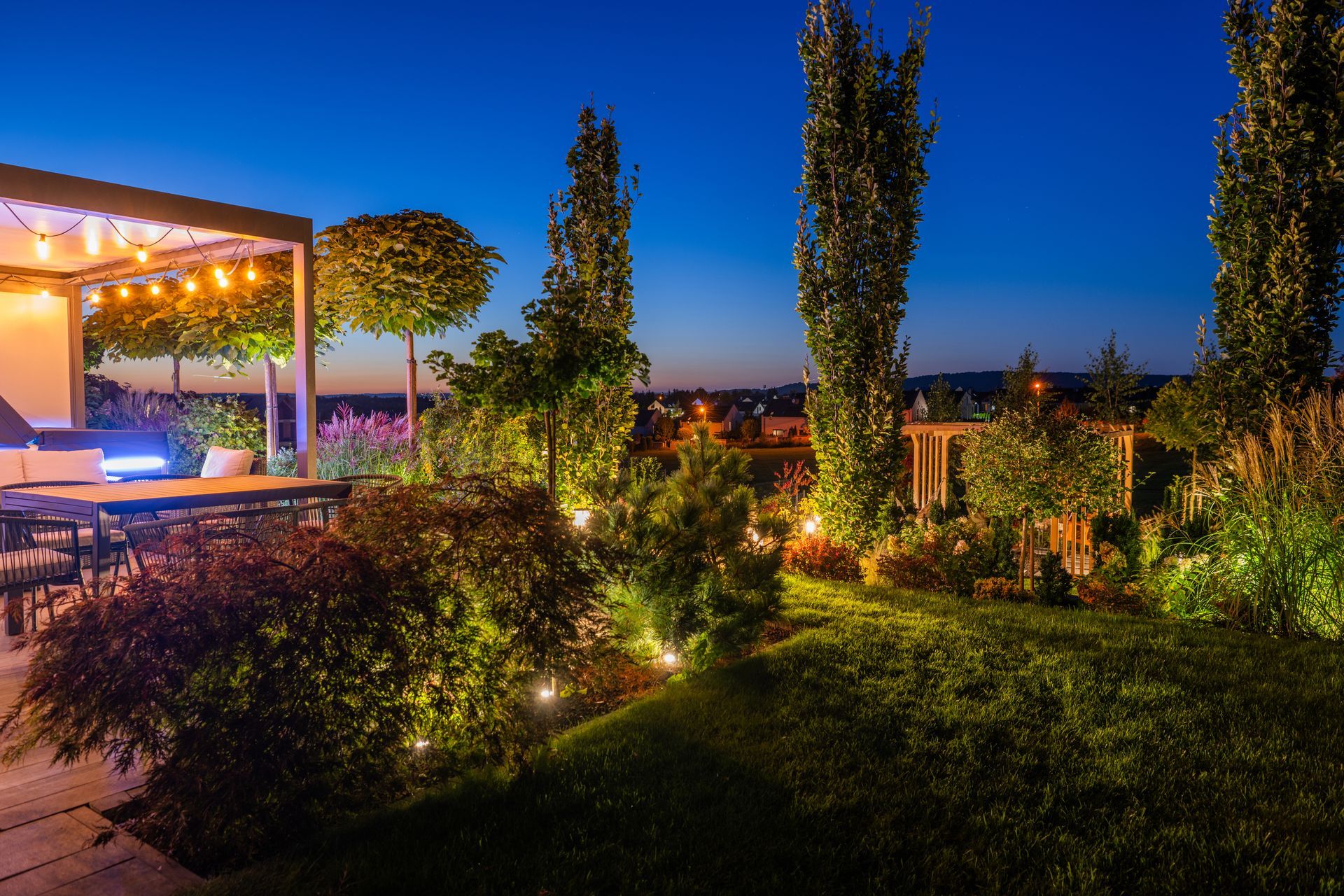
Corpus Christi sits along a major fall migration route for monarch butterflies and hummingbirds. Plants like esperanza, firebush, Turk's cap, salvias, and lantana provide nectar when these travelers pass through, adding life and movement to the yard. If you want your plantings to stand out at night as well, our guide to
landscape lighting ideas covers how to light palms, trees, and beds.
Plants to Use With Caution
Some plants are popular here but come with trade-offs worth knowing:
- Oleander is extremely salt and heat tolerant, but all parts are toxic if eaten. Avoid it where children or pets play.
- Texas mountain laurel has beautiful, fragrant spring flowers, but its seeds are toxic.
- Queen palms and other tropical palms can be badly damaged by hard freezes.
- Bougainvillea loves heat and salt but has thorns and can freeze back.
- Invasive plants, such as some ornamental grasses and vines, can spread beyond your yard. Check before planting anything that spreads aggressively.
Planting and Watering Tips for Corpus Christi
Good plant choices still need the right start.
Plant in Fall or Early Spring
Fall planting gives roots several cooler months to establish before summer heat. Early spring also works if plants are watered consistently through the first summer.
Improve Drainage in Clay
In heavy clay, raised beds or amended planting areas help prevent root rot, especially for Texas sage and succulents. Our guide to yard drainage solutions covers ways to fix soggy areas.
Mulch and Rock
Mulch keeps roots cooler, reduces evaporation, and limits weeds. Decorative rock works well around succulents and in xeriscape designs. Learn more about our mulch and rock services.
Water Deeply, Not Often
Once established, most of these plants do best with deep, infrequent watering rather than daily sprinkling. Drip irrigation delivers water to the roots with less waste, which helps during watering restrictions. Our drainage and irrigation services can help set up an efficient system.
Use Local Resources
Texas A&M AgriLife Extension in Corpus Christi publishes information on plants that perform well in the Coastal Bend, including its Earth-Kind and Texas Superstar programs, which highlight plants tested in Texas conditions.
Get Help Choosing Plants for Your Yard
The right plants depend on your yard's sun, soil, salt exposure, and how much time you want to spend maintaining them. Our team can design a planting plan that fits your property and install it so plants get the best possible start. Learn more about our landscape design and installation, browse our photo gallery, or get more ideas from our guide to landscape design for South Texas yards.
Call Lawn Pros at (361) 300-5772 or
contact us for a free quote in Corpus Christi and surrounding Coastal Bend communities.
Frequently Asked Questions