
Tree Trimming vs. Tree Pruning: What Homeowners Should Know
People use tree trimming and tree pruning as if they mean the same thing, but they are two different jobs with two different goals. In short, trimming shapes a tree and controls overgrowth for appearance and clearance, while pruning makes strategic cuts to protect the tree's health and structure. Knowing which your trees need, and when, keeps them looking good, growing strong, and safe around your home. Do only one and never the other, and your trees suffer for it.
At CC Lawn Pros, we care for trees and landscapes across Corpus Christi and the Coastal Bend, and we handle both trimming and pruning as part of keeping South Texas yards healthy since 2019. This guide breaks down the difference in plain terms, including timing and the mistakes we see most often.
In This Guide
- The Core Difference: Trimming vs. pruning at a glance.
- What Tree Trimming Is: Shape, size, and clearance.
- What Tree Pruning Is: Health and structure.
- When to Do Each: Getting the timing right.
- Mistakes to Avoid: Cuts that hurt a tree.
- Signs Your Tree Needs Attention: What to watch for.
- DIY or Call a Pro: Knowing your limits.
- Frequently Asked Questions: Quick answers.
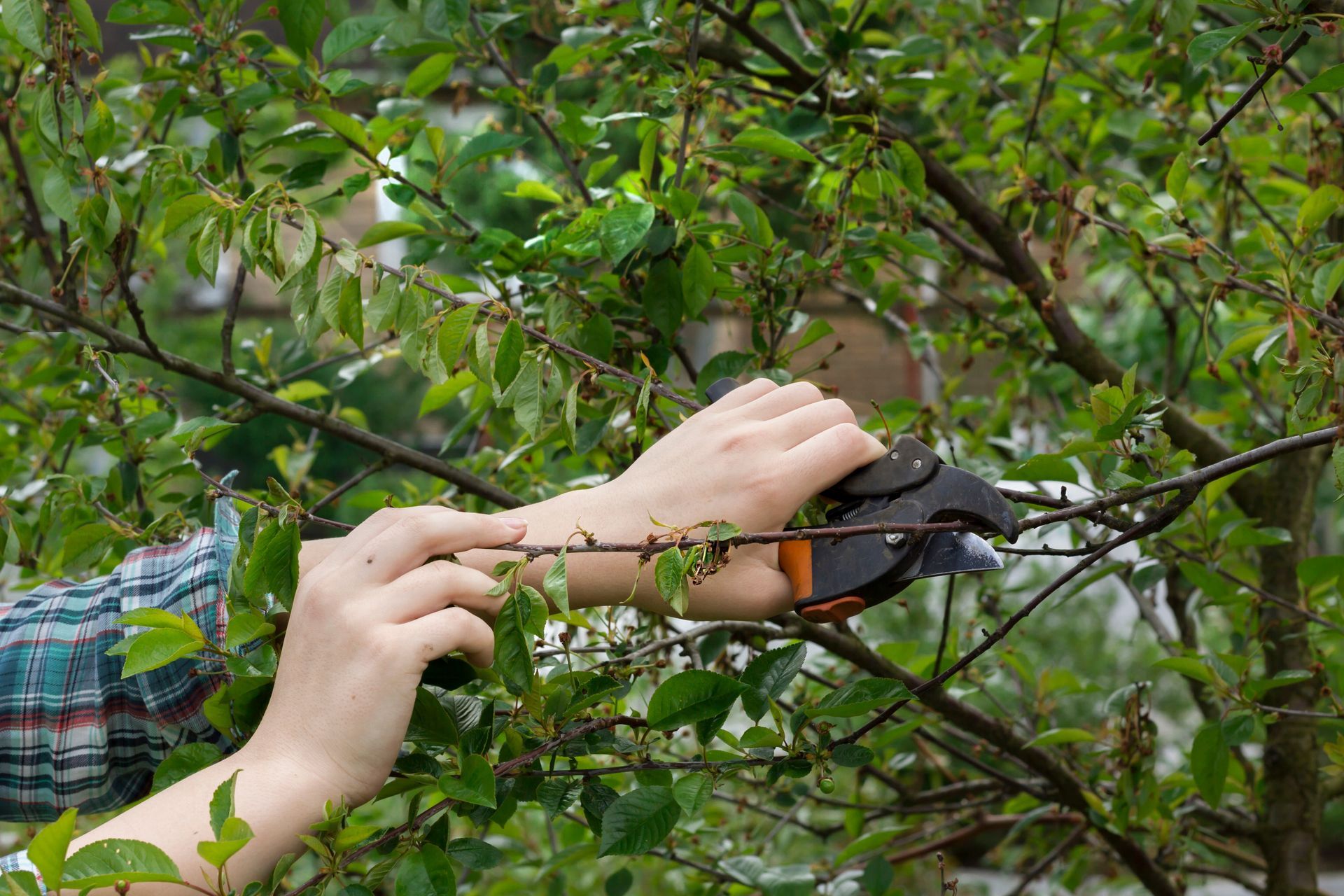
The Core Difference
Both jobs involve cutting branches, which is why they get confused, but the purpose behind the cut is what sets them apart. Once you understand the goal of each, the difference is easy to keep straight.
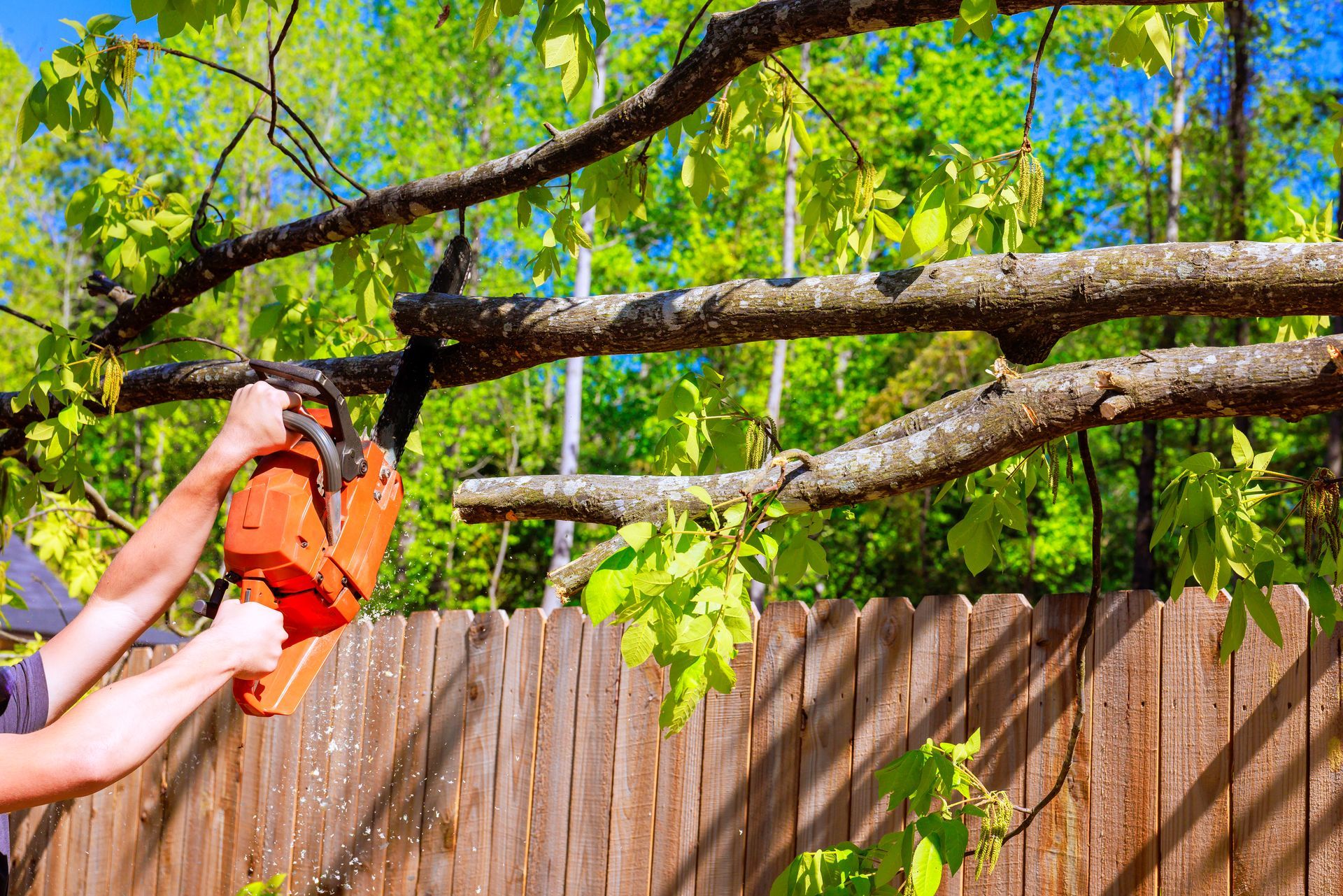
Tree trimming is mainly about appearance and function. It shapes the tree, controls overgrowth, and keeps branches clear of your house, walkways, and power lines. Tree pruning is mainly about health. It is the selective removal of dead, diseased, damaged, or poorly structured branches to keep the tree strong and safe over the long term. Put simply, trimming keeps a tree looking its best, and pruning keeps it healthy and sound. Most trees benefit from both over time, which is why the two are partners rather than substitutes.
A helpful way to picture it is grooming versus medicine. Trimming is like a regular haircut that keeps the tree neat and controlled, while pruning is closer to preventive health care that removes what could cause harm and strengthens the tree's long-term structure. Both use the same basic tools, and a single visit may include some of each, but the intent behind the cut is what defines the job. That intent also changes how a cut should be made and when, which is why treating the two as interchangeable is where a lot of well-meaning tree damage begins.
| Aspect | Tree Trimming | Tree Pruning |
|---|---|---|
| Main goal | Appearance and clearance | Health and structure |
| Typical cuts | Overgrown or stray branches | Dead, diseased, weak branches |
| Best thought of as | Cosmetic upkeep | Long-term tree care |
What Tree Trimming Is
Trimming is the maintenance that keeps a tree neat, controlled, and out of the way, and it is the service most homeowners picture first. Think of it as regular grooming for your trees and larger shrubs.
The goal of trimming is to manage a tree's shape and size and to remove growth that has gotten out of hand. That might mean cutting branches back from the roof or gutters, clearing limbs away from power lines, opening up a canopy to let more light reach the lawn below, or simply keeping a hedge or ornamental tree tidy. Because it is largely cosmetic and about clearance, trimming is usually done on a fairly regular schedule to stay ahead of overgrowth. Left undone for too long, trees become overgrown, cast heavy shade, and can pose a hazard in storms, which is why routine trimming is part of good yard upkeep.
Trimming also does quiet favors for the rest of your landscape. Thinning an overgrown canopy lets sunlight and air reach the grass and beds beneath the tree, which helps that lawn and those plantings stay healthy rather than thinning out in deep shade. Keeping limbs off your roof reduces the debris in your gutters and the moisture and pests that overhanging branches invite toward your home. Seen that way, trimming is not just about the tree itself but about how the tree fits into the yard around it.
What Tree Pruning Is
Pruning is the more strategic, health-focused work, and it is where a trained eye matters most. Rather than shaping for looks, pruning targets specific branches for the good of the whole tree.
A proper pruning removes deadwood, diseased or damaged limbs, and branches that cross, rub, or create a weak structure. Clearing that material lets the tree direct its energy to healthy growth, improves airflow through the canopy to reduce disease, and builds a strong branch structure that stands up to wind and storms. This matters a great deal on the Gulf Coast, where a well-pruned tree with good structure is far less likely to drop limbs or fail in high winds. Pruning is proactive care: done regularly and correctly, it keeps small problems from becoming large, dangerous, and expensive ones down the road.
When to Do Each
Timing separates helpful cuts from harmful ones, so it is worth knowing the general seasons even if the details vary by tree. The wrong cut at the wrong time can stress a tree or invite disease.
Light trimming to remove stray or overgrown branches can be done through much of the year, and dead or clearly hazardous limbs can be taken off any time for safety. Major pruning, on the other hand, is usually best during dormancy in late winter, before spring growth begins, when cuts heal efficiently and the tree is not under active stress. Flowering trees are their own case, and are often best pruned right after they finish blooming so you do not remove next season's buds. In our region there is also an important local rule: oaks should not be pruned during the warmer active-growth months when the risk of spreading oak wilt is highest, and are better handled in the coldest part of winter. Because the ideal timing depends on the species, checking before you make a big cut is always worth it.
Mistakes to Avoid
Even with good intentions, a few common mistakes can damage a tree, and they are easy to make without knowing better. Avoiding them protects the health and value of your trees.
- Topping, or cutting a tree's main branches back to stubs, which severely weakens it and causes weak, unsightly regrowth.
- Over-pruning, removing too much foliage at once, which stresses the tree and robs it of the leaves it needs.
- Crape murder, the harsh over-topping of crape myrtles that is common in Texas and harms the tree's form and health.
- Improper timing, such as heavy pruning during active growth or pruning oaks in the wrong season.
- Dull or dirty tools, which leave ragged cuts that heal slowly and can spread disease between trees.
The theme behind all of these is that more is not better and cleaner cuts are safer. When in doubt, a lighter hand and the right timing protect a tree far better than an aggressive cut.
Signs Your Tree Needs Attention
Trees often signal when they need trimming or pruning, and catching those signs early is easier and cheaper than dealing with a failure later. A quick look around your yard usually tells you a lot.
Some signs point to trimming: branches touching or rubbing your roof and gutters, limbs growing into power lines or blocking a walkway, a canopy so dense it shades out the lawn, or a tree that simply looks overgrown and shapeless. Other signs point to pruning for health: dead or bare branches, limbs with cracks or splits, mushrooms or decay at the base or on the trunk, branches that cross and rub against each other, or a lopsided, unbalanced canopy that could fail in a storm. On the Gulf Coast, storm season makes the health signals especially worth acting on, since a weak or dead limb is far more likely to come down in high wind and damage your home. If you notice broken or hanging limbs after a storm, treat those as a safety priority rather than routine upkeep. When you are not sure whether what you are seeing calls for a simple trim or a more careful pruning, that uncertainty is itself a good reason to have a professional take a look before a small issue grows.
DIY or Call a Pro
Some tree work is a reasonable weekend job, and some is genuinely dangerous, so knowing the line keeps you safe and your trees healthy. The deciding factors are usually height, size, and what the cut is meant to do.
Light trimming of small trees and shrubs within easy reach is something many homeowners can handle with clean, sharp tools. The job changes once you are dealing with large limbs, anything near power lines, work that requires a ladder or climbing, or structural pruning of a mature tree, all of which carry real risk of injury and of harming the tree with improper cuts. Pros bring the equipment, training, and knowledge of local species and timing to do it safely and correctly. If a job feels beyond a simple tidy-up, that instinct is usually right, and our team handles trimming and pruning across the Coastal Bend. You can learn more on our
tree trimming and
tree trimming and removal service pages.
Keep Your Trees Healthy With CC Lawn Pros
Trimming and pruning are two different jobs, and your trees need both to stay attractive, healthy, and safe. For expert tree care that respects local species and timing, CC Lawn Pros is ready to help across Corpus Christi and the Coastal Bend.
Call CC Lawn Pros at (361) 300-5772 or
contact us online for a free quote. Explore our
tree trimming and
stump grinding services.
Frequently Asked Questions