
What to Expect During the Landscape Design Process
CC Lawn Pros designs and builds landscapes across Corpus Christi and the Coastal Bend. Our landscape designer, Philip Elbert, works with homeowners from the first walk of the yard through the final plant going in the ground. Because the same team handles design, hardscaping, turf, lighting, and planting, we see where projects run smoothly and where they stall. This guide walks through each stage so you know what is coming and what decisions are yours.
Quick Answer: Most landscape design projects follow five steps: an initial request, an on-site consultation, the design itself, a written proposal, and installation. Design usually takes a few weeks from the first visit to an approved plan, and installation can take a few days to several weeks depending on scope. The more clearly you know how you want to use the yard and what you want to spend, the faster and more accurate the design will be.
In This Guide
- The Process at a Glance: Five stages overview.
- Before the First Call: What to think through.
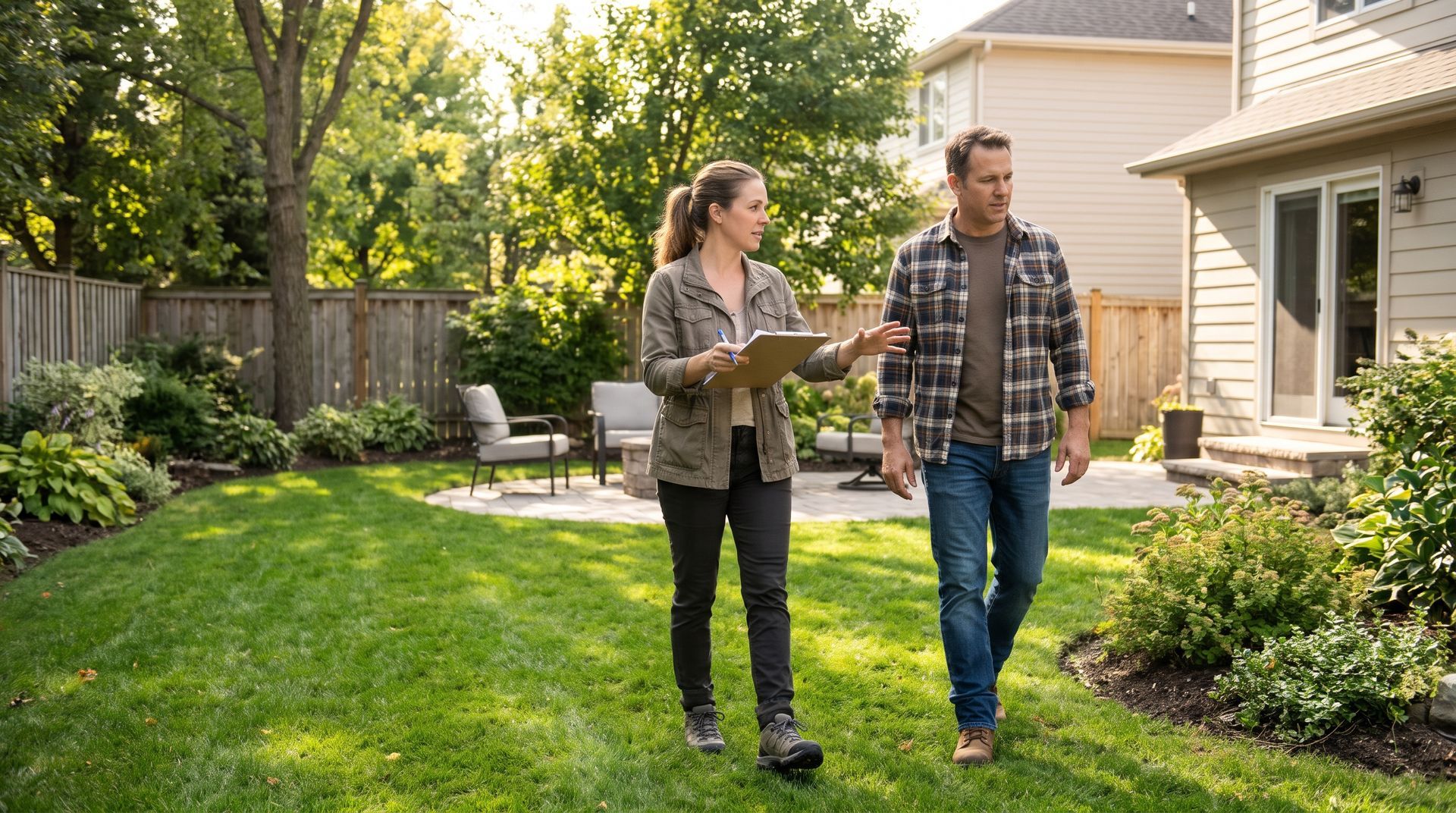
- The On-Site Consultation: What the designer looks at.
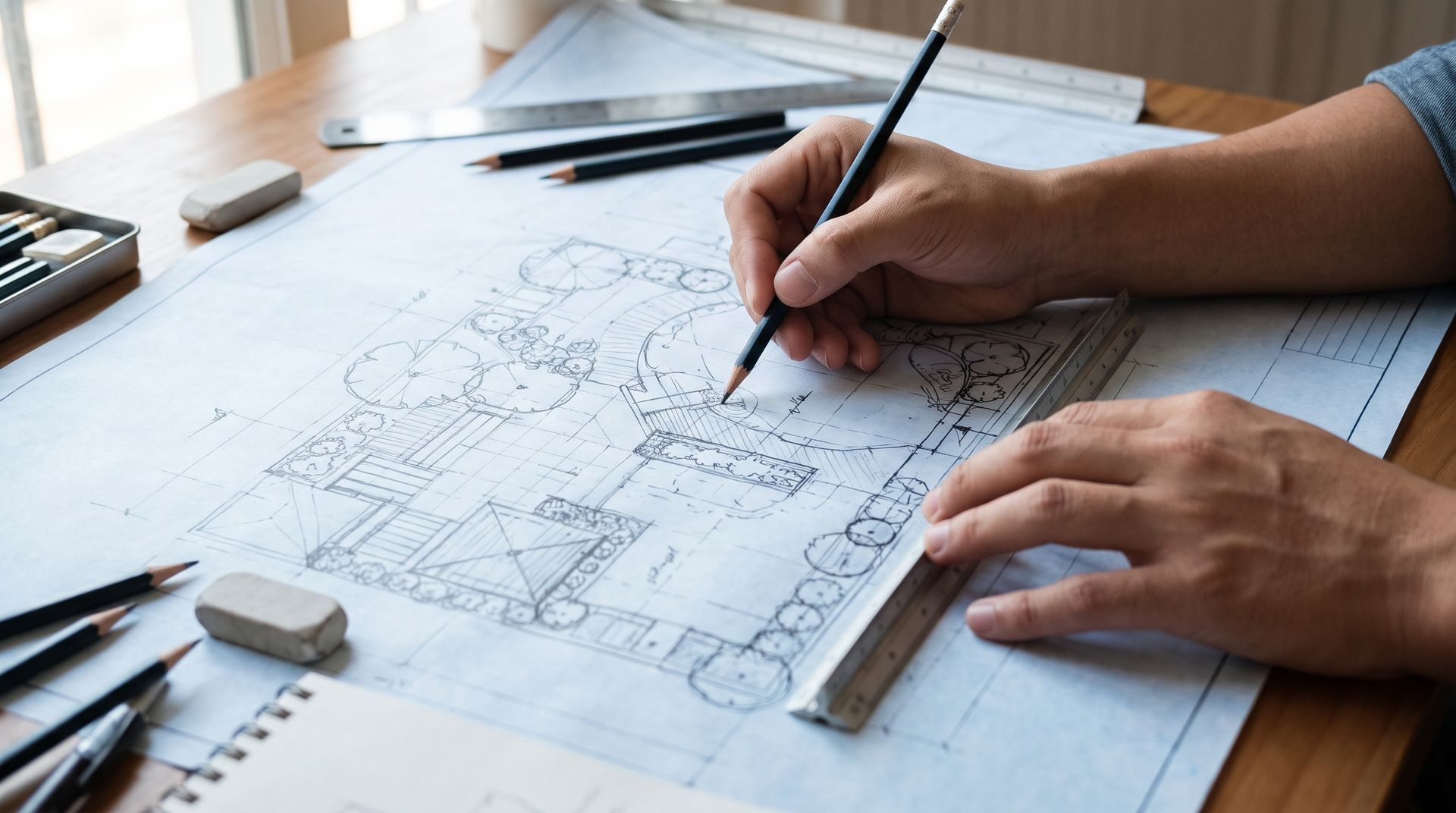
- Creating the Design: Layout, plants, and materials.
- Reading the Proposal: What it should spell out.
- Approvals and Utility Locates: The steps before digging.
- Installation: The order work happens in.
- How Long It Takes: Realistic timelines.
- After Installation: Establishment and care.
- Start Your Landscape Design: Free consultation.
- Frequently Asked Questions: Quick answers.
The Landscape Design Process at a Glance
Every company names its steps a little differently, but a professional design process covers the same ground. Here is how ours works.
| Stage | What Happens | What You Decide or Bring |
|---|---|---|
| 1. Request | You share your goals, photos, and the rough scope | How you want to use the yard, budget range |
| 2. On-site consultation | We walk the property and assess sun, soil, drainage, and access | Must-haves, problem spots, style preferences |
| 3. Design | We build a layout with plants, hardscape, turf, and lighting | Feedback and revisions |
| 4. Proposal | You receive a written scope with costs, materials, and timeline | Approval, phasing, schedule |
| 5. Installation | Our crew builds the project and walks it with you at the end | Final walkthrough sign-off |
The middle steps often loop. A design may go through a round or two of changes before the proposal matches what you want and what you want to spend.
Before the First Call: What to Think Through
You do not need a plan before you contact a designer. That is the designer's job. But a little thinking up front makes the consultation far more productive.
- How you will use the space. Entertaining, kids, dogs, a pool, a garden, or mostly curb appeal.
- A budget range you are comfortable with, even a wide one. It shapes every material choice.
- Must-haves versus nice-to-haves, such as a patio is essential but a water feature can wait.
- Problem spots, including standing water, bare areas, hot west-facing walls, or views you want to block.
- Photos you like, from your phone, social media, or our photo gallery.
- HOA rules, if your neighborhood has an architectural review process.
- Your timeline, especially if you are planning around an event or a home sale.
If you are still gathering ideas, our posts on
landscape design ideas for South Texas yards and
paver patio ideas are good starting points.
The On-Site Consultation: What the Designer Looks At
The consultation is where a design stops being generic. Two yards on the same street in Corpus Christi can need very different plans.
Sun, Wind, and Heat
We note where afternoon sun hits hardest, especially on west-facing walls and patios, and where the house and trees create shade. Steady coastal wind affects which plants hold up, where a fire pit will work, and whether a seating area needs a windbreak.
Soil and Drainage
Soil changes a lot across the Coastal Bend. Some yards sit on heavy clay that holds water and cracks in drought, while others closer to the water are sandy and drain almost instantly. We look at where water goes after rain, low spots, and runoff from roofs and driveways. Drainage fixes are far cheaper to build into a design than to add later. Our guide to yard drainage solutions explains the common options.
What Stays and What Goes
Mature live oaks, palms, and healthy shrubs can anchor a new design and save money. We also flag trees too close to the foundation, invasive plants, and anything that will not survive a long drought.
Access and Logistics
Gate width, slopes, and the path from the street to the backyard affect what equipment fits and how materials get in. A narrow side yard can change how a patio or turf project gets built.
Questions Worth Asking During the Visit
The consultation is also your chance to size up the company. Ask who will actually build the project and whether it is the same team that designs it. Ask how they handle drainage problems they find during excavation, and whether changes after approval are priced in writing. Ask to see finished projects similar to yours, ideally a few years old, so you can see how plants and materials have held up in this climate. Clear answers to these questions usually predict a smooth project.
Creating the Design
With the site details and your goals, the designer builds the plan. Depending on the project, it covers several layers that all have to work together.
Layout and Hardscape
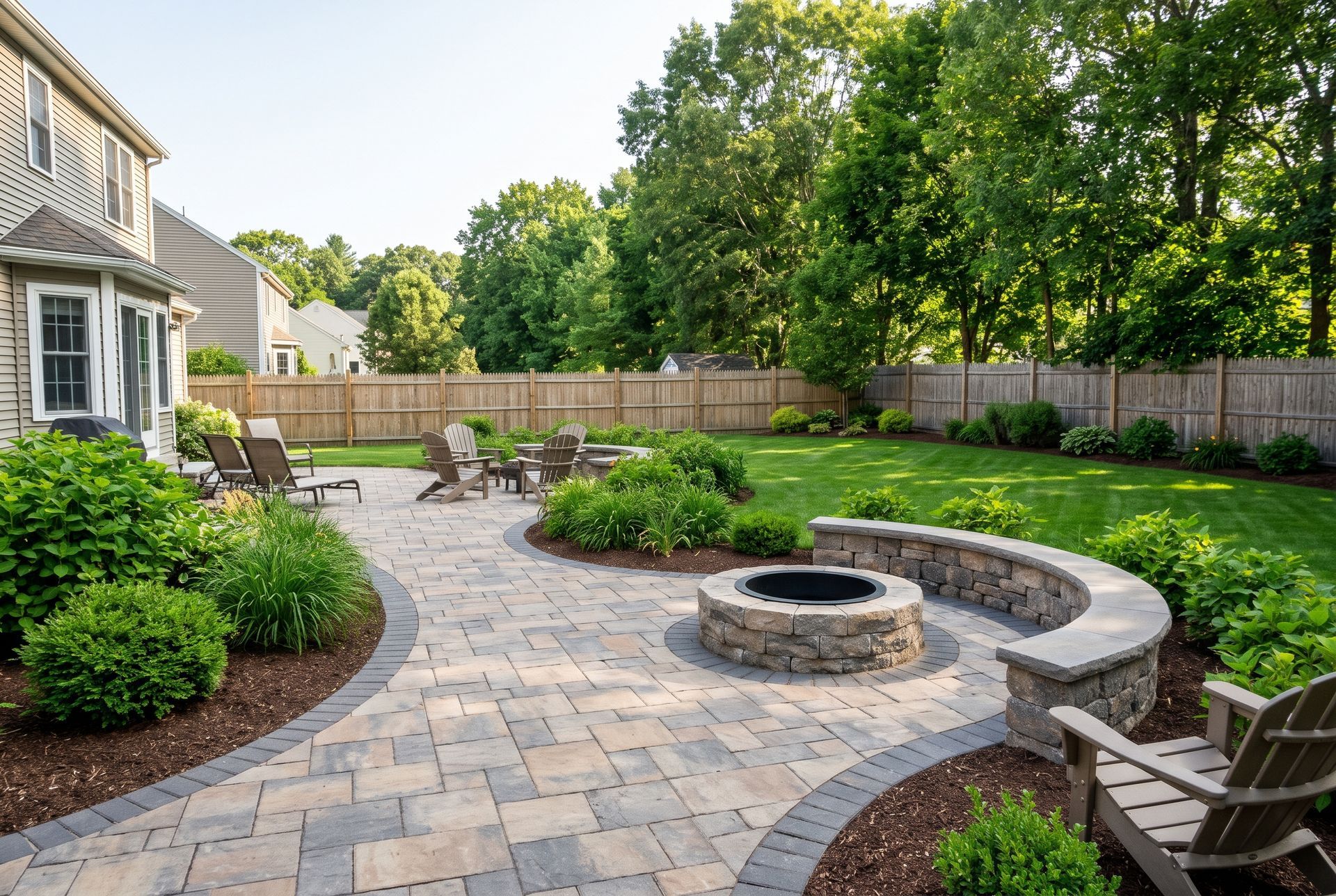
This is the structure of the yard: patios, walkways, seating walls, fire features, outdoor kitchens, and retaining walls. Size and placement matter more than material at this stage. A patio that is too small to fit furniture is a common mistake we design around.
Plants Chosen for This Climate
Plant choices focus on species that handle heat, drought, wind, and in many neighborhoods, salt spray. Our guides to the best plants for South Texas landscaping and drought-tolerant plants for Corpus Christi yards list many of the species we use.
Designing for Drought Stages
Corpus Christi spent nearly 600 days under Stage 3 water restrictions, from December 2024 until August 2026, and lawn watering was paused for much of that stretch. We design with that in mind. That means grouping plants by water need, limiting thirsty lawn areas, and using artificial turf, rock, and mulch where grass would struggle. A landscape that only looks good with unlimited water is a risky investment here.
Lighting and Irrigation
Planning landscape lighting and irrigation at the design stage lets wire and pipe run under hardscape before it is built. Adding them afterward often means cutting into finished work.
Revisions
Expect to see the design, react to it, and request changes. Good feedback is specific, like "the patio feels too far from the kitchen door," rather than "it doesn't feel right."
Reading the Proposal
The proposal turns the design into a scope of work and a price. A clear proposal protects both sides and keeps surprises off the job. It should spell out:
- Scope by area, so you know exactly what happens in the front yard, backyard, and side yards.
- Materials and products, including paver lines, turf product, rock type, and lighting fixtures.
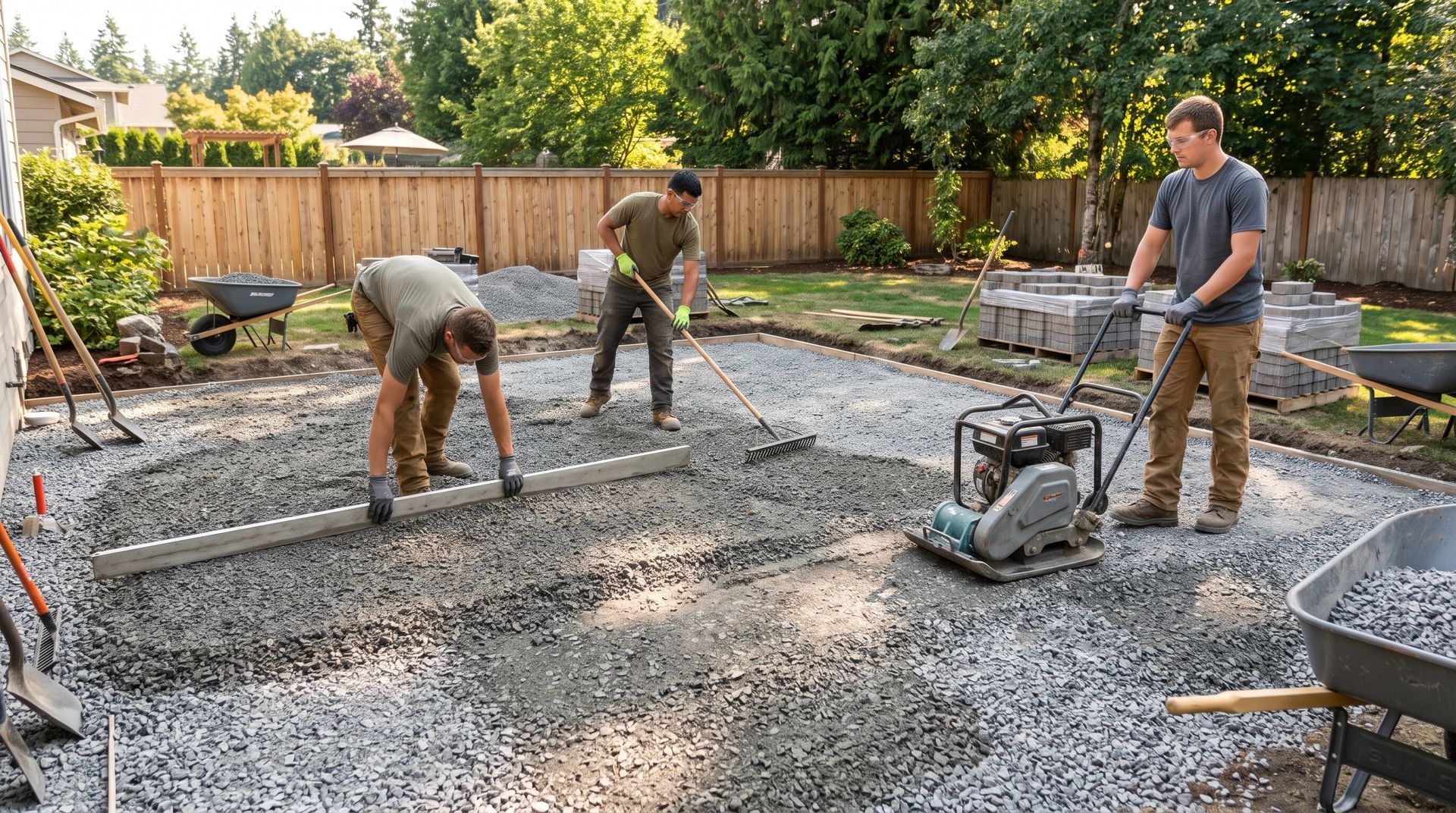
- Base and prep work, such as excavation depth, base material, and compaction for patios and turf.
- Plant list with sizes and quantities, since a 1-gallon and a 15-gallon plant are very different purchases.
- Removal and haul-off of existing grass, plants, concrete, or debris.
- Drainage and irrigation work included in the price.
- Timeline, payment schedule, and warranty terms.
- What is not included, which is just as important as what is.
If the full design is beyond this year's budget, ask about phasing. A good design can be built in stages, often starting with drainage and hardscape and adding planting, lighting, or an outdoor kitchen later.
Approvals and Utility Locates Before Work Starts
A few steps happen between signing and digging, and they can affect your start date.
HOA Approval
Many Corpus Christi neighborhoods require architectural review for hardscape, turf, fences, or major planting changes. Submit plans early, since some boards meet only once a month.
Calling 811
Texas law requires excavators to notify Texas 811 before digging so underground utility lines can be marked. Marked lines sometimes shift where a post, a tree, or a trench can go, so we schedule locates early.
Licensed Irrigation Work
In Texas, irrigation systems are regulated by the Texas Commission on Environmental Quality. Installation must be done by a TCEQ-licensed irrigator, a licensed plumber, or the homeowner on their own homestead. Systems connected to city water also need approved backflow prevention. If your design includes irrigation, ask who will install it and confirm their license.
Installation: The Order Work Happens In
Landscape installation follows a sequence for a reason. Doing steps out of order is how new plants get trampled and finished patios get cut open. On a full backyard project, the order usually looks like this:
- Demolition, clearing, and removal of existing material
- Grading and drainage work
- Irrigation lines and lighting conduit
- Hardscape, such as paver patios and walkways, walls, and fire features
- Planting and bed preparation
- Turf, mulch and rock
- Final lighting setup, cleanup, and a walkthrough with you
Planting Windows in Corpus Christi
Fall and early spring are the best times to plant here. Cooler weather gives roots time to establish before summer heat. Hardscape and turf can be built most of the year, so a project that starts in summer can still finish with planting in fall.
How Long the Landscape Design Process Takes
Timelines vary with scope, revisions, and how quickly decisions get made. For most residential projects, design takes a few weeks from the first site visit to an approved plan. A front yard refresh may install in a few days, while a full backyard with a patio, outdoor kitchen, lighting, and planting can take several weeks.
The most common delays come from waiting on HOA approval, changing the design after work starts, material lead times on specialty pavers or fixtures, and heavy rain that keeps equipment off wet ground.
After Installation: Establishment and Care
New plants need more water for their first weeks and months than established ones. Under Stage 1 restrictions, Corpus Christi Water can grant temporary exemptions of up to 60 days for new plantings, but they require approval. Ask about current rules before planting during a drought stage.
We will walk you through watering, how each plant should look as it settles in, and what to watch for. If you prefer to hand off the upkeep, we offer ongoing landscape maintenance, including pruning, weeding, fertilization, and seasonal mulching. Turf owners can also check our guide to
artificial turf maintenance.
Start Your Landscape Design in Corpus Christi
Our landscape design and installation process starts with a free consultation at your property. One team handles the design, the hardscaping, turf, lighting, and planting, so nothing gets lost between contractors.
We work with homeowners and businesses in Corpus Christi, Portland, Rockport, Aransas Pass, and nearby communities.
Call CC Lawn Pros at (361) 300-5772 or
request your free consultation. You can also visit us at 6113 Saratoga Blvd in Corpus Christi.
Frequently Asked Questions