
Paver Patio Ideas for Backyards, Pools, and Outdoor Living Spaces
The best paver patio ideas start with how you actually want to use the space, then build the layout, material, and pattern around that. A backyard patio built for family dinners looks very different from one designed to wrap a pool or anchor an outdoor kitchen, and each choice affects cost, comfort, and how the space holds up in the South Texas heat.
At CC Lawn Pros, we design and install paver patios throughout Corpus Christi and the surrounding coastal communities, from Portland and Ingleside to Rockport and Kingsville. We work with the local clay soil, salt air, and intense summer sun every day, so the ideas below are the ones we see perform well here, not just the ones that photograph well.
This guide walks through paver patio ideas by use case, then covers materials, patterns, and the climate factors that matter most on the Gulf Coast.
In This Guide
- What makes a great paver patio design: The three decisions that shape everything else.
- Paver patio ideas for backyards: Layouts and features for everyday living.
- Paver patio ideas around pools: Safe, comfortable surfaces for wet areas.
- Paver patio ideas for outdoor living spaces: Kitchens, fire features, and lounge zones.
- Popular paver materials and patterns: How to compare your options.
- Design ideas for the South Texas climate: Heat, drainage, and coastal soil.
- Frequently asked questions: Quick answers to common questions.
What Makes a Great Paver Patio Design
A great paver patio is not about picking a pretty stone. It comes down to three decisions made in the right order: how you will use the space, how the design fits your home and climate, and how the layout flows with the rest of your yard.
Get those three right and the material choices fall into place naturally. Skip them and you end up with a patio that looks fine but never quite gets used.
Start With How You'll Use the Space
Before you look at a single paver sample, picture the activities the patio needs to support. A patio built for large gatherings needs open, uninterrupted square footage, while a quiet morning-coffee spot can be smaller and tucked into a corner.
Ask yourself a few practical questions:
- How many people do you want to seat comfortably at once?
- Do you need room for a dining table, a grill, or lounge seating, or all three?
- Will kids or pets use the space, which favors smooth, snag-free surfaces?
- How much shade does the area get, and when?
The answers tell you the minimum footprint and shape long before you think about color or pattern.
Match Pavers to Your Home and Climate
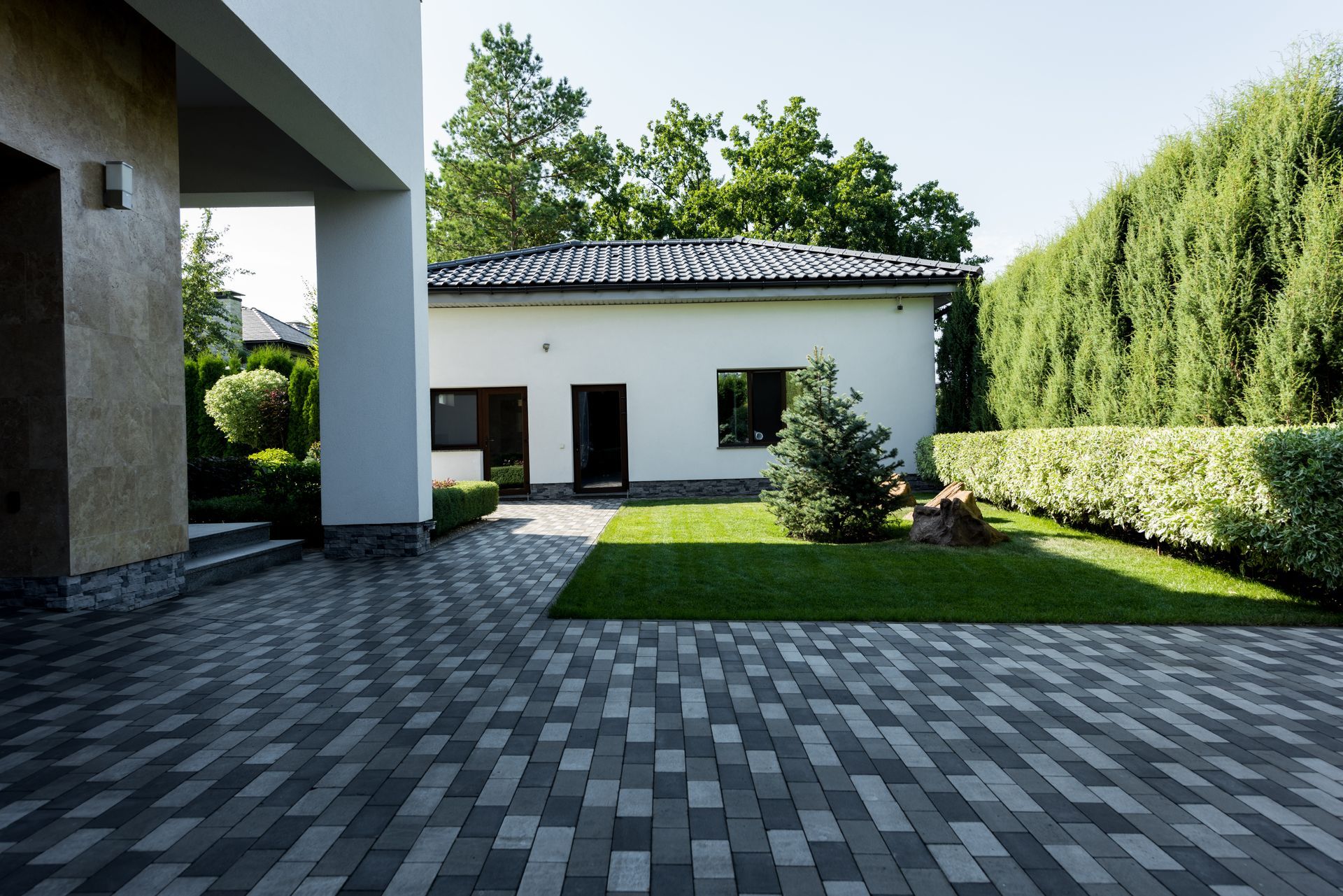
The patio should read as an extension of your house, not a separate project dropped into the yard. Pull colors and tones from your home's brick, stucco, or trim so the two feel connected.
In Corpus Christi, the climate matters just as much as the aesthetics. Light-colored pavers stay cooler underfoot in direct sun, and dense concrete or porcelain pavers stand up better to salt air than softer materials. We cover these tradeoffs in more detail in the
materials section below.
Paver Patio Ideas for Backyards
The backyard is where most patios live, and it is also where you have the most freedom to shape the space. These ideas focus on layouts and features that make an everyday patio more usable and more interesting to look at.
Multi-Zone Layouts
One of the most effective backyard ideas is to divide a large patio into distinct zones. A dining zone near the back door, a lounge zone around a fire feature, and a transition path between them all reads as intentional rather than one big slab.
You can define zones without walls by using a few simple tricks:
- Change the paver pattern or color between areas to signal a shift in use.
- Add a low border course in a contrasting tone to frame each zone.
- Step the grade slightly so a lounge area sits a few inches below the dining space.
Zoning also makes a big patio feel warmer and more human-scaled, which is easy to lose when you pour one uninterrupted surface.
Curved and Circular Designs
Straight lines are the default, but curves soften a yard and draw the eye through the space. A gentle curved edge along a planting bed or a circular paver inset under a table can turn a plain rectangle into a focal point.
Circular kits and fan patterns work especially well as a centerpiece. Just keep the curves generous, since tight radiuses require more cutting and can look choppy if the pavers are large.
Built-In Features
Building features directly into the patio saves space and creates a finished, custom look. Popular built-ins include seat walls that double as extra seating, planter walls that soften hard edges, and low retaining walls that carve a flat patio out of a sloped yard.
If your lot has any slope, a retaining wall is often the difference between a usable patio and one that sheds water toward the house. It can also serve as a natural border between zones.
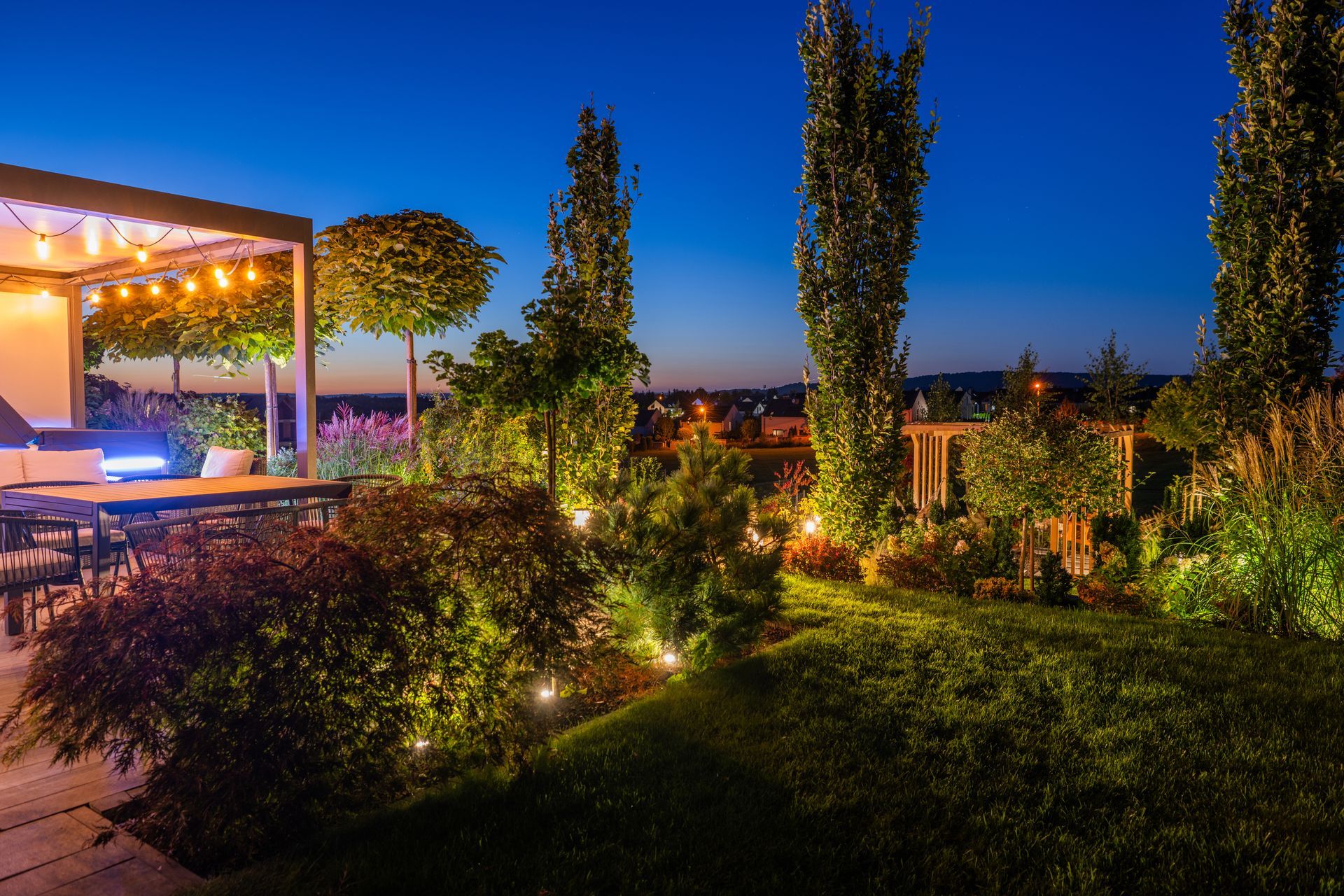
Lighting is another built-in worth planning early. Low-voltage fixtures set into seat walls or step risers extend how late you can use the patio and highlight the features you spent money on. Running the wiring during construction is far cheaper than retrofitting it after the pavers are down.
Paver Patio Ideas Around Pools
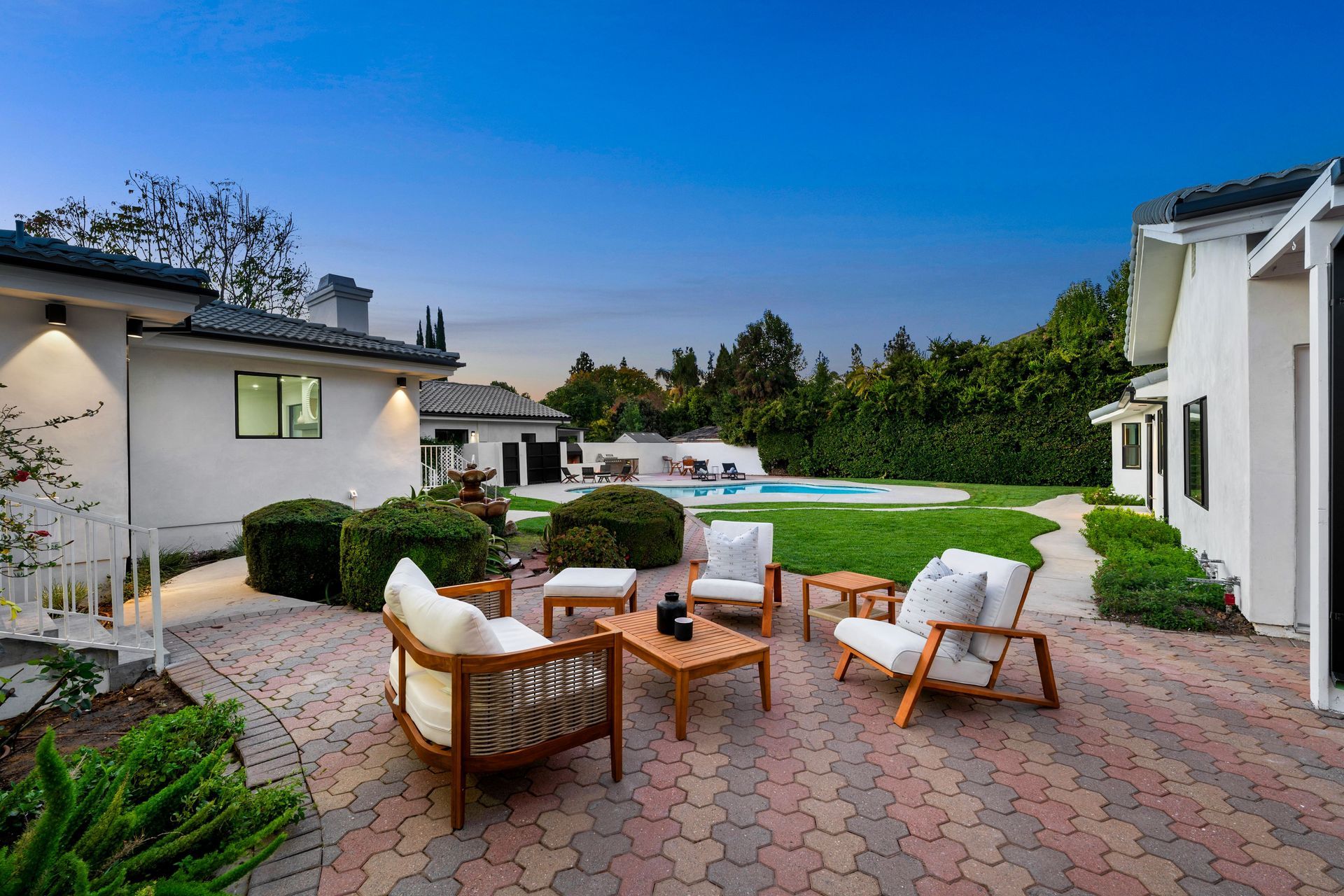
A pool deck has a different job than a regular patio. It gets wet, it gets hot, and people walk on it barefoot, so safety and comfort drive the design more than looks alone.
Slip-Resistant and Cool-Touch Pavers
The single most important pool-deck decision is the paver surface. You want a textured, slip-resistant finish that still feels comfortable under bare feet.
A few surfaces perform well in this role:
- Tumbled or textured concrete pavers offer grip without feeling rough.
- Porcelain pavers rated for exterior use resist heat buildup and stains.
- Light, reflective colors stay noticeably cooler than dark tones in full sun.
In our Corpus Christi summers, cool-touch color choices are not a luxury. A dark pool deck can become uncomfortable to stand on by midday.
Coping and Border Details
Coping is the capped edge where the deck meets the pool, and it deserves attention because it is the detail people touch most. Bullnose or rounded coping is easier on hands and elbows than a sharp square edge.
A contrasting border around the pool also frames the water and helps swimmers judge the edge. Carrying that same border tone into a nearby outdoor kitchen or patio ties the whole space together.
Drainage around a pool deck deserves extra care. The surface should slope away from the pool so splash-out and rain move toward deck drains rather than back into the water, and the joints should be sanded and sealed to handle constant moisture without shifting.
Paver Patio Ideas for Outdoor Living Spaces
An outdoor living space is a patio that works like another room of the house. The pavers become the floor, and the features you add turn it into a place you actually spend evenings and weekends.
Outdoor Kitchens and Dining
An outdoor kitchen anchors a patio and gives it a clear purpose. Even a compact setup with a grill, counter space, and a small prep sink transforms how much you use the space.
When planning the layout, leave enough clearance so people can move behind seated diners without brushing the grill. If you want inspiration for the cooking area itself, our outdoor kitchen ideas guide covers layouts and features in more detail.
Fire Features and Lounge Areas
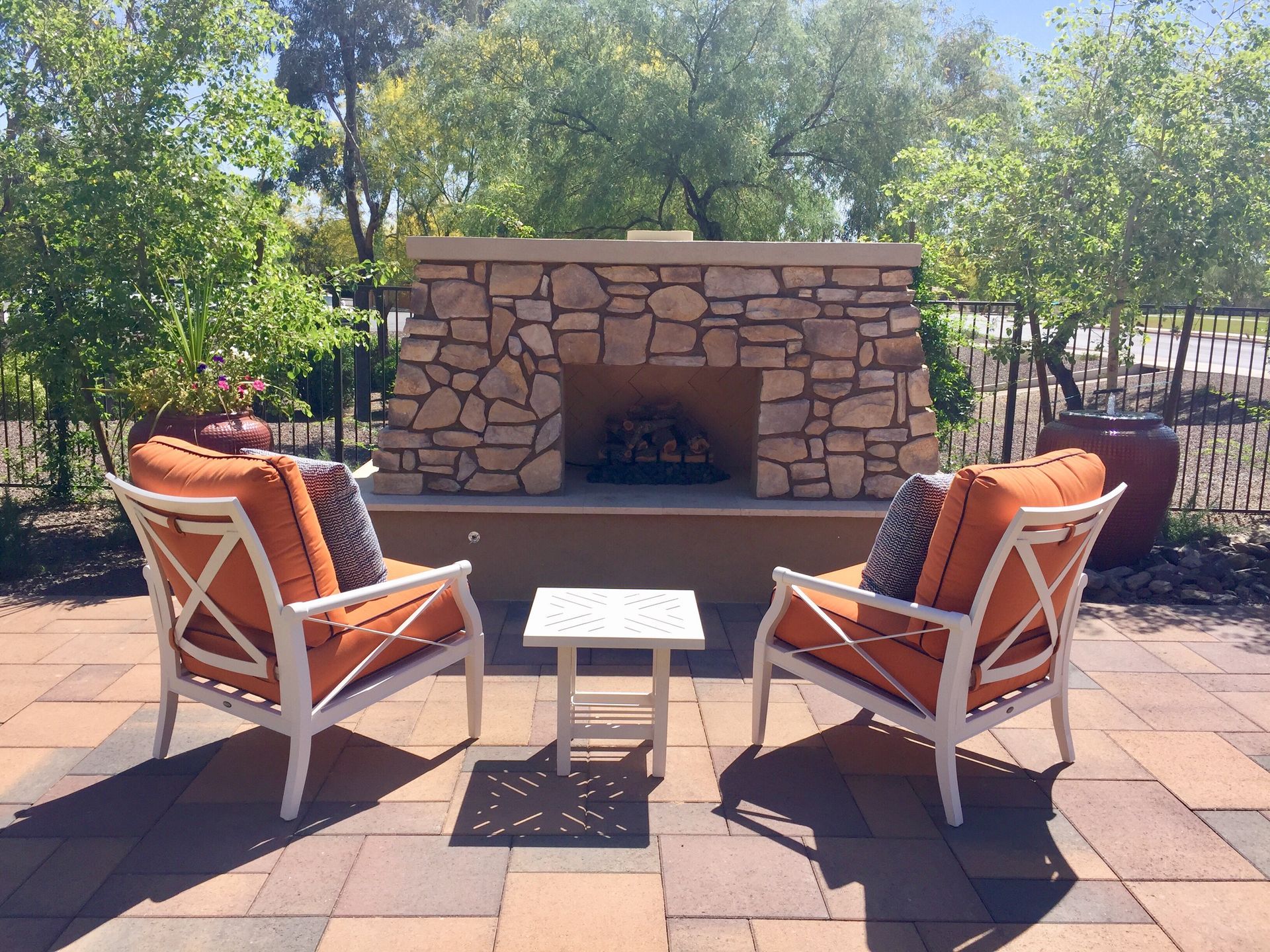
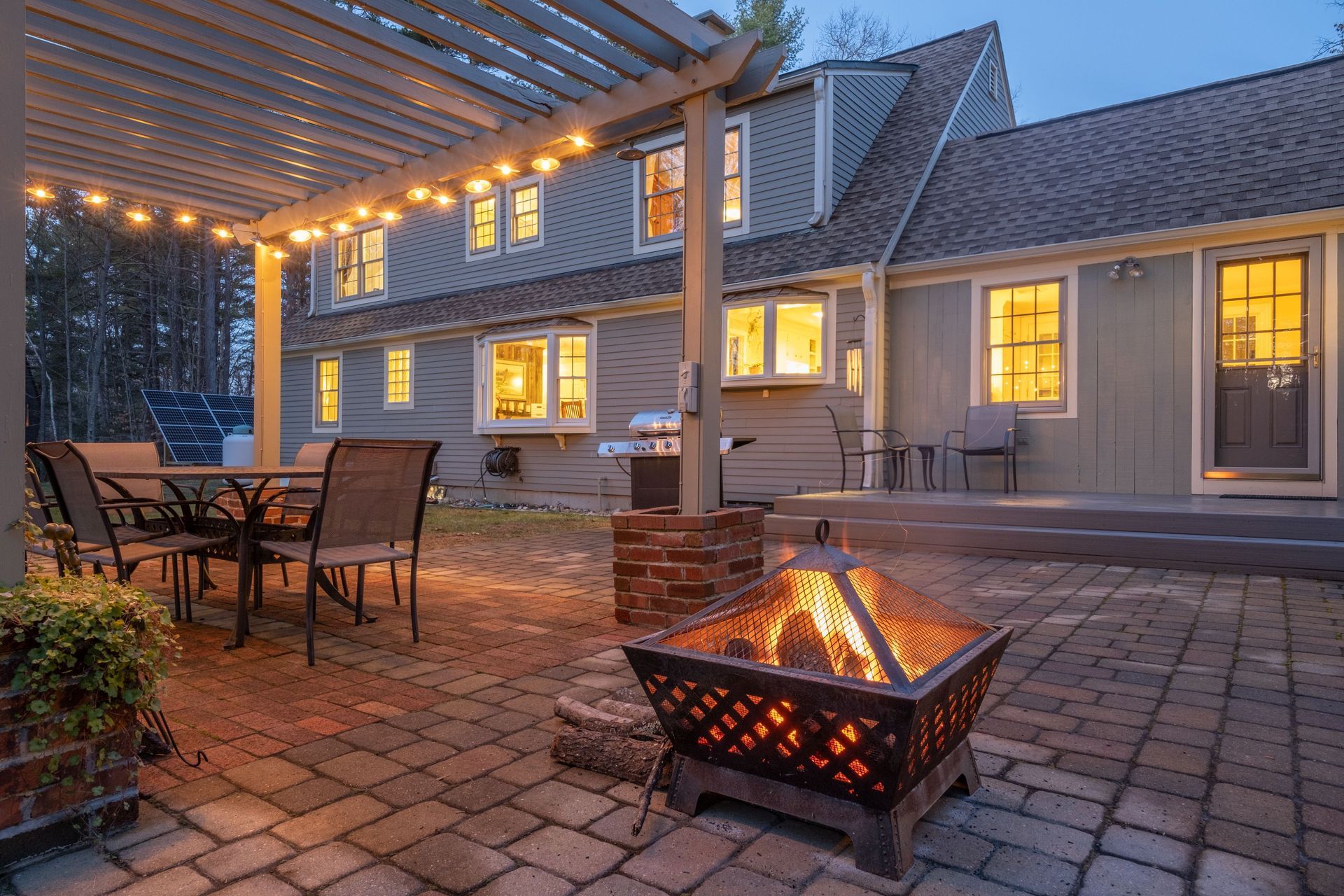
A fire pit or fireplace extends the season and gives a lounge zone a natural center. In our mild coastal winters, a fire feature makes the patio usable on cool evenings that would otherwise send everyone inside.
Consider these fire-feature ideas:
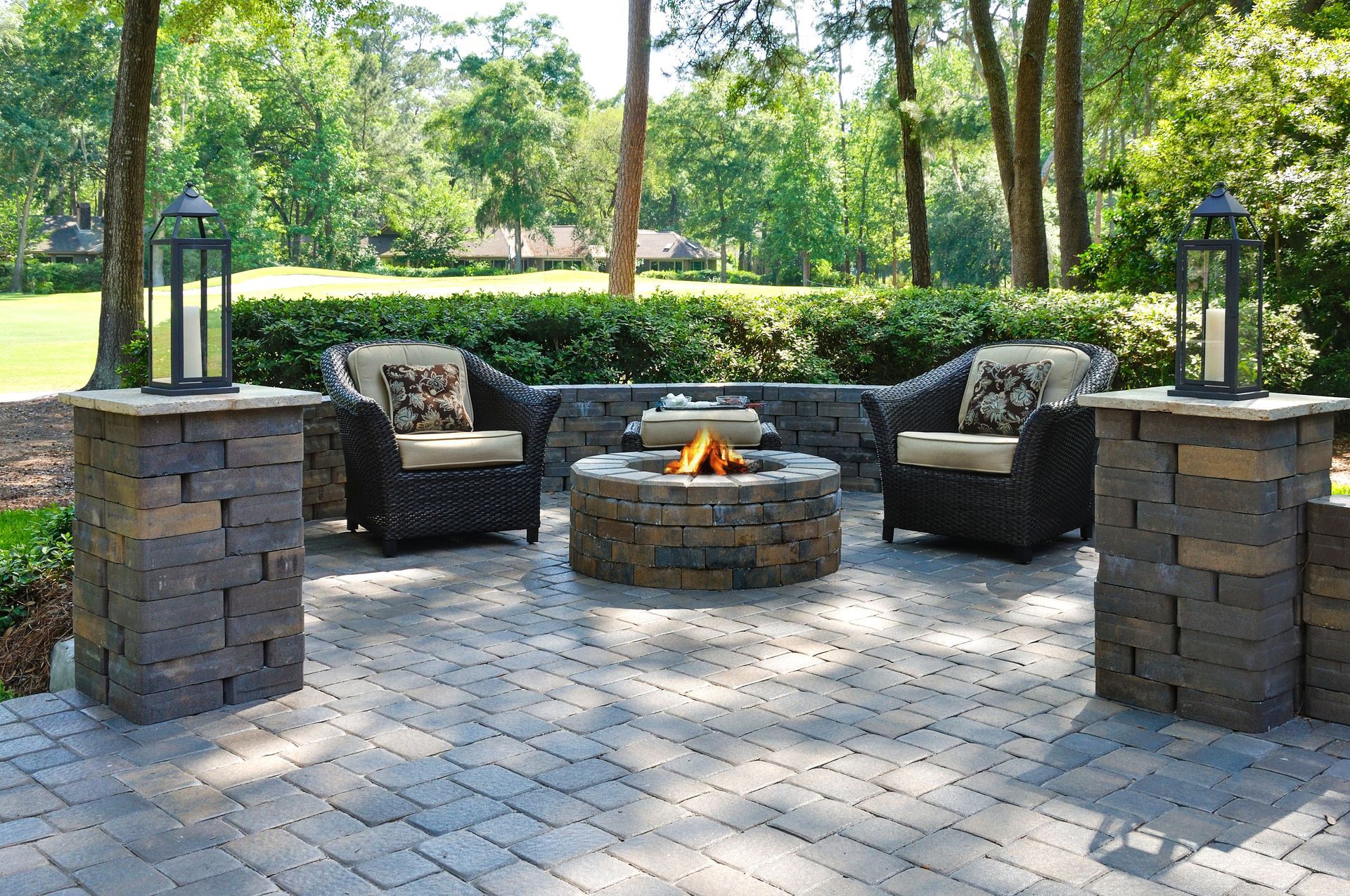
- A built-in fire pit ringed by a low seat wall for casual seating.
- A linear gas fire table as a low-maintenance centerpiece.
- A full outdoor fireplace against a wall to create a defined lounge backdrop.
You can see options for both wood and gas setups on our
fire pits and fireplaces page.
Popular Paver Materials and Patterns
The material and pattern you choose set the tone for the entire patio, and they also affect cost, maintenance, and how the surface holds up over time. Here is how the common options compare.
Paver Material Options
Each material has a clear tradeoff between price, durability, and appearance. The table below lays out the choices we install most often in the Corpus Christi area.
| Paver Material | Look & Feel | Durability in South Texas | Relative Cost |
|---|---|---|---|
| Concrete pavers | Wide range of colors and shapes | Very good; dense options resist salt air | Budget to mid |
| Brick pavers | Classic, warm, traditional | Good; color holds over time | Mid |
| Porcelain pavers | Sleek, modern, low-maintenance | Excellent; stain and heat resistant | Mid to high |
| Natural stone | Unique, high-end texture | Varies by stone type | High |
Concrete pavers are the workhorse choice for most local patios because of the price and the sheer range of styles. Porcelain and natural stone step up the look when the budget allows.
Laying Patterns That Change the Look
The same paver can look completely different depending on how it is laid. The pattern affects both the style and, in some cases, the strength of the surface.
- Herringbone interlocks tightly and is the strongest choice for high-traffic areas.
- Running bond is simple, clean, and works well in smaller spaces.
- Basketweave adds a traditional, textured look.
- Ashlar or random mixes paver sizes for a natural, less uniform feel.
Scale matters too. Large-format pavers make a small patio feel bigger and read as more modern, while smaller units suit tight curves and traditional layouts. Mixing two sizes in a planned pattern is a simple way to add visual interest without changing materials.
If you want a specific premium look, ask about product lines like the ones in our
Belgard paver guide, which offers colors and finishes designed to work together.
Design Ideas That Work in the South Texas Climate
A patio that looks great in a magazine can still fail in Corpus Christi if it ignores our heat, rain, and soil. The best local designs account for the climate from the start.
Heat and Sun Considerations
Summer sun is the biggest comfort factor here. Beyond choosing light-colored, cool-touch pavers, think about where shade will come from over the life of the patio.
A few heat-smart ideas:
- Orient seating to catch afternoon shade from the house or nearby trees.
- Plan for a pergola or shade sail even if you install it later.
- Keep large dark surfaces small or break them up with lighter borders.
Getting shade right often matters more than any single paver choice when it comes to how much you enjoy the space in July.
Drainage and Coastal Soil
Corpus Christi clay soil holds water and shifts as it dries, which can heave or sink a poorly built patio. Proper base preparation and slope are what keep a paver patio flat for years.
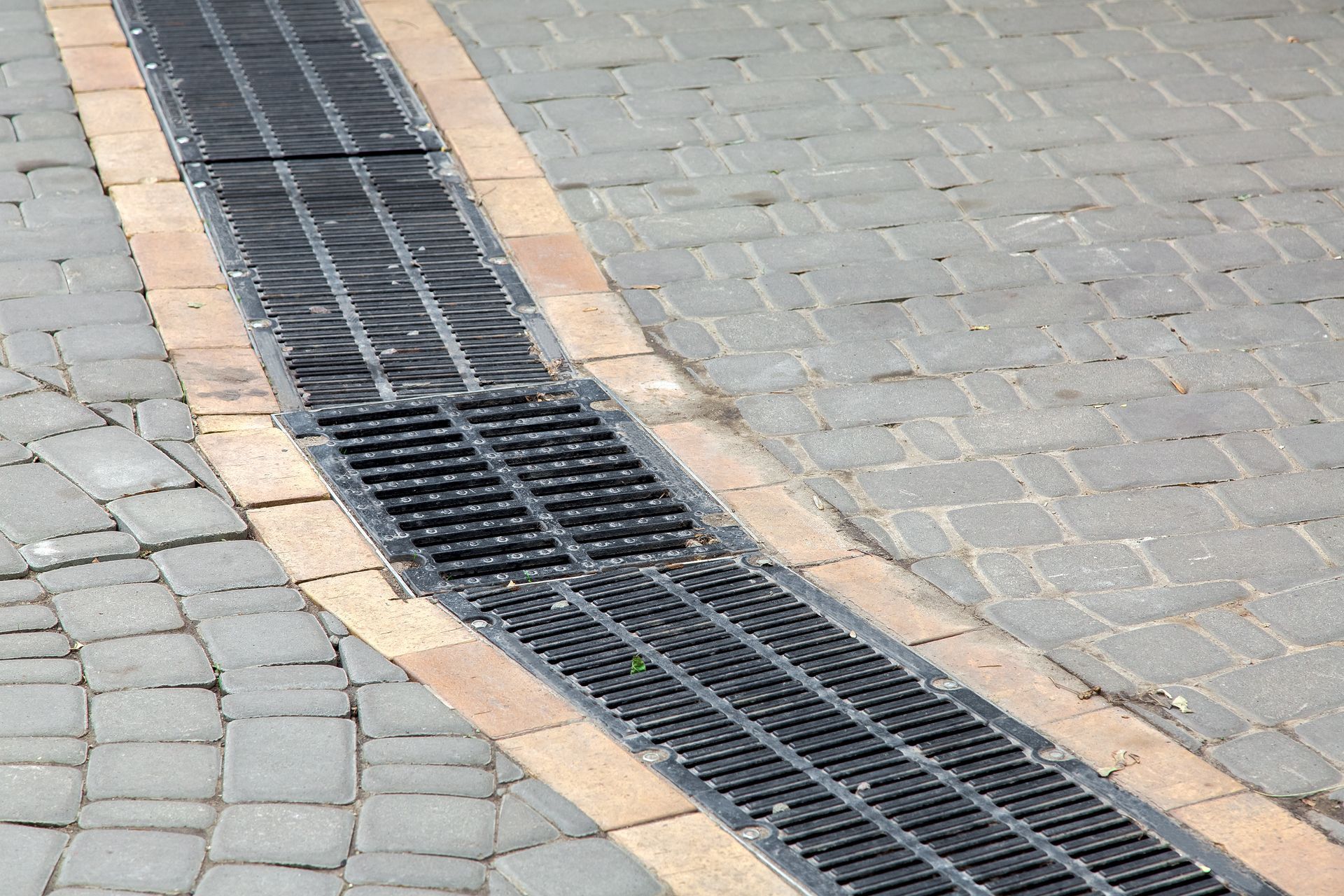
A well-designed patio should slope slightly away from your home so water runs off instead of pooling. If your yard already struggles with standing water, pairing the patio with a real drainage solution protects your investment. For a full breakdown of pricing before you commit, our paver patio cost guide walks through the numbers.
The base is the part that decides everything. A compacted, properly graded gravel and sand base is what keeps pavers from heaving or settling as the clay expands and contracts through wet and dry seasons. It is not the glamorous part of the project, but it is the difference between a patio that stays flat and one that needs repairs in a few years.
Ready to Design Your Paver Patio?
The ideas here are a starting point, but the best patio for your yard depends on your space, your soil, and how you want to use it. At CC Lawn Pros, we handle the full process for Corpus Christi homeowners, from design and base prep through the final paver and border.
If you are ready to talk through options,
reach out for a consultation or explore our
paver patios and walkways service page to see recent work. We will help you turn a rough idea into a patio built to last on the Gulf Coast.
Frequently Asked Questions