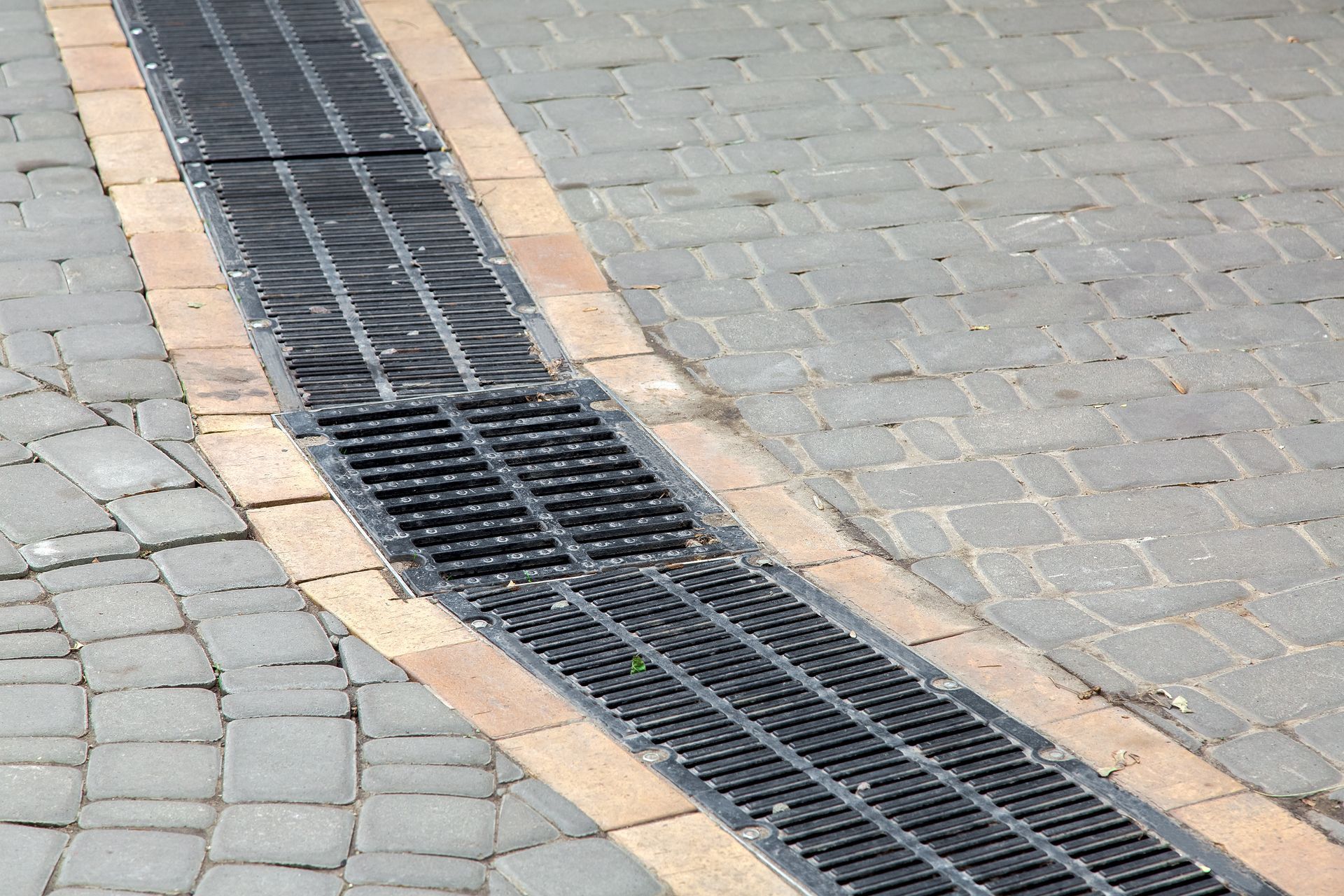

What Land Clearing Includes Before You Build, Landscape, or Grade a Property
If you are about to break ground on a new home, expand a backyard, install a patio, or take an overgrown lot back from years of brush, land clearing is the first real step. Our team at CC Lawn Pros has been clearing lots, building sites, and overgrown properties across Corpus Christi, Portland, Ingleside, Aransas Pass, Rockport, and the rest of the Coastal Bend for years. The single biggest source of confusion we run into is what "land clearing" actually covers. Different contractors define the scope differently, which is why two bids on the same property can look so different. This guide breaks down exactly what land clearing usually includes, what it does not, what equipment is used, what permits you may need in South Texas, and what comes next so you can move into building, landscaping, or grading without surprises.
The Short Answer: What "Land Clearing" Actually Covers
Land clearing is the process of removing all surface vegetation, debris, and obstructions from a property so the ground is ready for whatever comes next. That usually includes brush, undergrowth, small to large trees, stumps, roots, fence remnants, and any organic debris on the lot. In most residential and small-acreage projects in the Coastal Bend, it stops at a rough cleared surface. It does not include final grading, soil import, drainage installation, or building demolition unless those are added to the scope on purpose.
Why Homeowners and Builders Clear Land in the Coastal Bend
Land clearing shows up at the start of almost every major outdoor project. The reasons vary a lot, but they tend to fall into the same handful of buckets.
Preparing a Lot for New Construction
New builds need a stable, accessible surface for the foundation crew, the framing crew, and every other trade that follows. Builders almost always want the lot cleared, debris hauled off, and stumps removed before pouring concrete.
Clearing Brush for Landscape or Hardscape Projects
Homeowners adding a patio, retaining wall, pool, or full backyard redesign often need overgrown sections cleared first. Without that, even a great landscape design cannot get installed properly.
Improving Drainage and Reducing Fire Risk
Thick brush, downed limbs, and overgrown vegetation hold moisture against the soil, block natural runoff, and create fuel during dry stretches. Clearing problem zones, especially around the home and outbuildings, helps drainage move correctly and reduces fire and pest risk.
Removing Storm or Hurricane Damaged Vegetation
Coastal Bend properties take a beating during hurricane season. Snapped trees, downed limbs, and storm-damaged brush often need to come out before the rest of the property can be repaired or replanted.
Fence Line and Property Boundary Clearing
Many rural and suburban properties around Corpus Christi have fence lines that have been overtaken by brush and saplings. Clearing the line opens up the view, lets fence work happen, and makes the boundary easier to maintain.
What's Included in a Typical Land Clearing Job
Scope can vary, but a standard residential or small-acreage land clearing job in the Coastal Bend usually includes the following.
Common items included in a residential land clearing scope:
- Removal of brush, vines, and surface undergrowth
- Cutting and removal of small to medium trees within the cleared zone
- Limbing and removal of larger trees marked for removal
- Stump removal or stump grinding within the cleared area
- Surface root removal where needed for follow-up work
- Removal of loose rocks, fence remnants, and surface debris
- Hauling and disposal of cleared material
- A rough cleanup pass to leave the surface ready for grading
Brush, Vines, and Undergrowth Removal
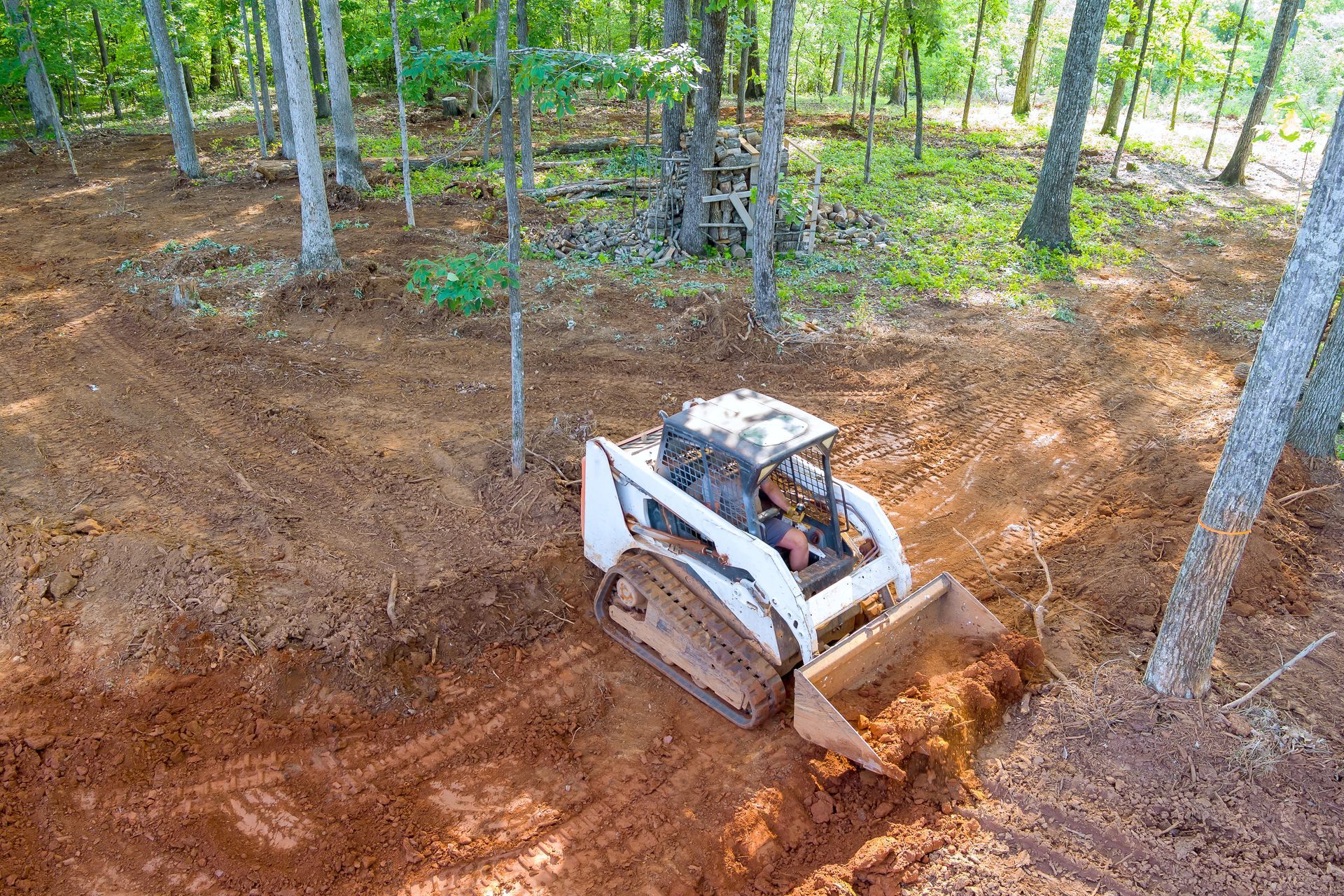
This is the bulk of the work on most lots. Brush cutters, mulchers, and skid steers knock down the vegetation, and crew members hand-clear what equipment cannot reach safely.
Tree Removal and Limbing
Trees marked for removal come down section by section if they are near structures, or in one cut if there is open drop space. Limbs are chipped or hauled depending on volume.
Stump Removal or Grinding
Stumps are either pulled with an excavator or ground down with a stump grinder. For most building and landscape projects, grinding below grade is enough, but full root ball removal may be needed for foundations or deep utility runs.
Root Removal and Grubbing
For deeper site prep, surface roots are pulled and the top few inches of root mat are turned over. This is called grubbing and is often needed before grading or foundation work.
Debris Removal and Hauling
All cleared material is loaded into dump trailers or trucks and hauled to an approved disposal site. Dump fees are usually folded into the quote, but you should confirm this.
Final Site Cleanup and Rough Pass
A clean job ends with a rough surface pass so the lot is ready for whatever comes next. This is not finish grading, but it leaves the property walkable and workable.
What's Usually Not Included (and What You Pay Separately For)
Knowing what is not in a standard land clearing scope is just as important as knowing what is.
Services that typically need a separate scope or contractor:
- Final or finish grading to a specific elevation
- Soil import, fill dirt, or topsoil delivery
- Drainage and irrigation installation
- Erosion control measures like silt fencing or hydroseeding
- Sod, seed, or landscape plant installation
- Demolition of existing buildings, slabs, or driveways
- Surveying, marking property lines, or staking the build site
- Permits, tree inventories, and environmental assessments
- Utility locates and any utility-related disconnects
Many full-service crews can bundle some of these, but they should always be listed as separate line items on your quote so you know what you are paying for.
Land Clearing vs Grading vs Excavation: What's the Difference
This is one of the most common confusions we hear from homeowners. These three terms get used interchangeably, but they describe different scopes of work.
| Service | What It Does | When You Need It |
|---|---|---|
| Land Clearing | Removes surface vegetation, trees, stumps, and debris | Before any major build, landscape, or grading project |
| Grading | Reshapes the soil surface for drainage, slope, or build elevation | After clearing, before foundations or hardscape |
| Excavation | Digs into the ground to a specified depth and shape | For foundations, pools, basements, septic, or utilities |
Land Clearing Defined
Surface-level work. Removes everything growing on or sitting on the ground. Leaves a rough, cleared lot.
Grading Defined
Reshaping the soil to a specified slope or elevation. Used to manage water flow, prepare for a slab, or level a yard.
Excavation Defined
Digging into the soil to a specific depth. Required for foundations, pools, septic systems, and major utility installations.
When You Need One, Two, or All Three
A small brush-clearing job may need only Step 1. A new home build typically needs all three in sequence. A backyard patio install often needs clearing plus rough grading. Asking your contractor which steps are in their scope, and which are someone else's, prevents budget surprises later.
How Land Clearing Pricing Works in Corpus Christi
Land clearing pricing in South Texas can vary widely from one job to the next. There is no flat per-acre number that fits every property.
Pricing by Acre, by Hour, or by Project
Lightly wooded lots are often priced per acre. Heavily wooded or unusually difficult sites are quoted by the hour or as a flat project price. Smaller residential jobs are almost always quoted per project.
The Real Drivers of Land Clearing Cost
Cost factors that change the quote on the same-sized lot:
- Density of vegetation and tree size
- Number and size of stumps to remove
- Soil conditions and moisture level
- Accessibility for equipment
- Distance to the nearest legal disposal site
- Volume of debris to haul and dump fees
- Slopes, soft spots, or wet areas
- Proximity to fences, structures, and utility lines
Why Bids Vary So Much on the Same Property
Two contractors looking at the same lot may quote very differently because one is quoting brush clearing only and the other is quoting full clearing with stumps, roots, hauling, and a rough pass. Always compare scope before comparing dollars.
Equipment Used for Land Clearing in South Texas
The right equipment depends on the property. A small residential lot may only need a skid steer and a stump grinder. A heavily wooded acreage may need a forestry mulcher, an excavator, and multiple dump trucks.
Common equipment categories used on Coastal Bend land clearing jobs:
- Skid steers and compact track loaders for brush and surface work
- Mini excavators for stumps, roots, and fence line removal
- Forestry mulchers for heavy brush across larger acreage
- Dedicated stump grinders for in-place stump removal
- Brush cutters and hand tools for selective work near structures
- Dump trailers, dump trucks, and roll-off containers for hauling
Skid Steers and Compact Track Loaders
The workhorses of residential land clearing. They handle brush, debris, and rough surface work, and they fit into tight spaces. Compact track loaders are preferred for the soft, sandy soils common in the Coastal Bend.
Mini Excavators and Stump Grinders
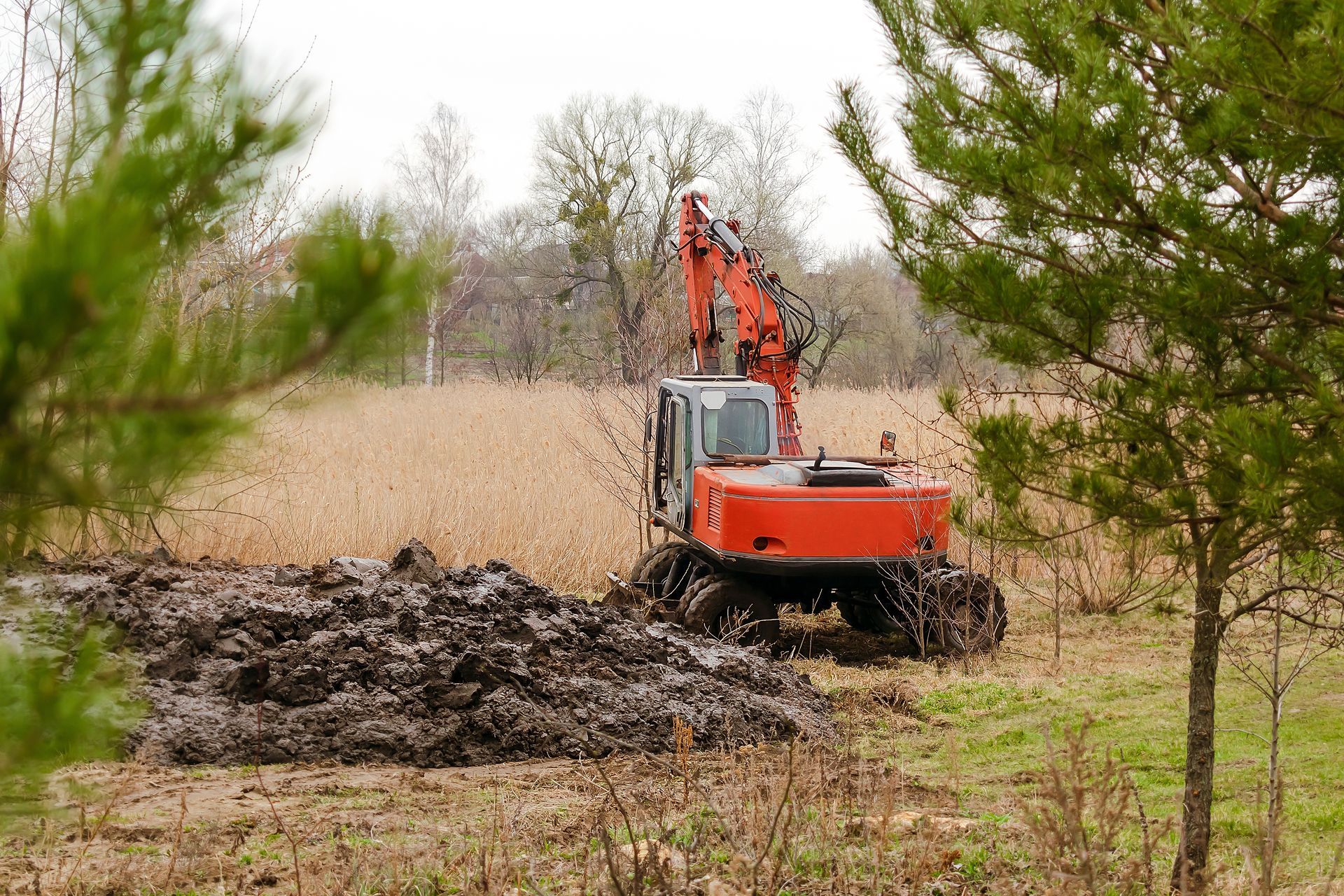
Mini excavators handle stump and root removal, fence line work, and any digging that needs more reach than a skid steer offers. Stump grinders process stumps in place when full removal is not needed.
Forestry Mulchers and Brush Cutters
For larger acreage with heavy brush and small trees, forestry mulchers grind vegetation down to wood chips on the spot. This eliminates most of the hauling cost on big jobs.
Hauling and Disposal Equipment
Dump trailers, dump trucks, and roll-off containers move the cleared material to legal disposal sites. Disposal capacity is one of the limiting factors on how fast a job can move.
Permits, Tree Ordinances, and Environmental Rules in the Coastal Bend
Most small residential clearing jobs in Corpus Christi do not require permits, but the answer depends on what you are clearing, where it is located, and what you plan to do next.
When You Need a Permit Before Clearing
Permits often come into play for larger acreage clearing, work near protected waterways, work in flood zones, or any clearing tied to a new build that triggers a building permit. Always check with the City of Corpus Christi or your county before clearing more than a small residential area.
Protected Trees and Native Vegetation
Some neighborhoods, subdivisions, and HOAs have rules about removing larger trees, especially heritage oaks. A reputable contractor will flag protected trees during the walk-through.
Erosion Control and Stormwater Requirements
Larger sites or sites near drainage ways may require erosion control measures during and after clearing. This can include silt fencing, hay bales, or temporary cover.
Wildlife and Habitat Considerations
Coastal Bend properties may have nesting birds, native plant habitat, or other features that require timing adjustments or limited clearing. This shows up most often on rural and waterfront properties.
How Long Does Land Clearing Take?
Timelines vary by lot size, vegetation density, equipment access, and weather. Here is a general guide for typical Coastal Bend projects.
| Project Type | Typical Timeline | Notes |
|---|---|---|
| Small backyard or side yard cleanup | 1 to 2 days | Brush, small trees, light debris |
| Average residential lot | 2 to 4 days | Includes stumps, hauling, rough pass |
| Half-acre to one acre | 3 to 7 days | Depends on tree density and access |
| Multiple acres of moderate brush | 1 to 3 weeks | Often uses forestry mulcher |
| Heavily wooded acreage | 3+ weeks | May require staging and multiple disposal trips |
Small Residential Lots
Most residential clearing jobs in Corpus Christi finish within a few days, weather permitting.
Larger Acreage Projects
Acreage projects can stretch into weeks because of the volume of material, the equipment needed, and the time it takes to haul or process debris.
What Slows a Land Clearing Project Down
The most common slowdowns are rain, wet ground that cannot support equipment, surprise hazards underground, distant disposal sites, and protected vegetation that requires extra care.
Questions to Ask Before Hiring a Land Clearing Contractor
Before signing a contract, run through these questions. The answers tell you whether you are getting a clear scope or a vague handshake.
- Is the scope priced by acre, hour, or project, and what triggers extra charges?
- Are stump removal, root removal, and hauling included or quoted separately?
- Where will the debris be disposed of, and are dump fees included?
- What equipment will be on site, and will it fit through the access points?
- Is your crew insured for tree work, equipment damage, and worker safety?
- Do you handle any required permits, or is that on me?
- How do you handle protected trees or vegetation I want to keep?
- What does the property look like when the job is done, rough or finish-ready?
What Comes After Land Clearing
Land clearing is the start of a longer chain of work. Knowing what comes next helps you plan the full project budget instead of just the clearing line item.
Typical next-phase costs and decisions to plan for after land clearing:
- Final or finish grading to a specified elevation
- Soil import, fill dirt, or topsoil delivery if your lot needs it
- Drainage system installation if grading reveals water issues
- Erosion control like silt fencing or hydroseeding on sloped sites
- Foundation work, landscape install, or hardscape build
- Sod, seed, or new plant material once the surface is ready
Grading and Soil Preparation
Once the lot is cleared, the soil is shaped to drain correctly, support a foundation, or set up for sod and landscape work.
Drainage and Erosion Control
Coastal Bend properties often need drainage planning before any major install. French drains, swales, and proper grading prevent water from pooling against the home or hardscape.
Foundation, Landscape, or Hardscape Installation
Once the ground is cleared and graded, the actual project begins. That might be a foundation pour, a new landscape design, a paver patio, or any other build that needs ready ground.
Get a Free Land Clearing Quote in Corpus Christi
If you have a lot that needs clearing for a build, a landscape project, or just to take back from overgrowth, our team can help. We will walk the property with you, define exactly what is in scope, document what is not, and give you a written quote with disposal and equipment included so you are not surprised later.
Call CC Lawn Pros or use our
contact form to schedule a free on-site visit anywhere in the Coastal Bend. You can also see our full
land clearing service page for more on how we handle Coastal Bend properties, or read our companion guide on
tree trimming vs tree removal in Corpus Christi if tree work is part of what you need.
Frequently Asked Questions