
What Affects Retaining Wall Cost for Residential Landscaping Projects?
After years of building retaining walls across coastal Texas yards, we've learned that pricing this kind of project is rarely simple. Two walls that look almost the same on paper can cost wildly different amounts based on slope, soil, material, and access. This guide breaks down what really drives retaining wall cost, where homeowners tend to underestimate their budget, and how to plan a project that holds up for decades. Everything here comes from real installs, real quotes we've written, and honest conversations with homeowners about where their money goes. The goal is to help you walk into a quote feeling informed, not surprised.
Average Retaining Wall Cost and What Homeowners Should Expect
Most residential retaining walls cost between $40 and $150 per square foot installed. The wide range reflects how much material, height, and site conditions move the final number.
Typical Cost Ranges by Project Size
Smaller decorative walls under 3 feet tall often run $3,000 to $8,000. Mid-size walls between 3 and 5 feet tall typically land between $8,000 and $20,000. Larger structural walls over 5 feet tall, especially those needing engineering, can reach $25,000 to $50,000 or more.
Cost Per Square Foot and Linear Foot Explained
Contractors price retaining walls two ways. Cost per square foot measures the visible face of the wall and is the most accurate way to compare quotes. Cost per linear foot measures only the wall's length and is useful for quick estimates but ignores height. Always ask which method a contractor uses.
Why Retaining Wall Prices Vary So Much
Two things drive most of the price gap: what the wall is made of and how hard the site is to work on. A flat, easy-access yard with stackable blocks costs a fraction of a steep slope needing excavation, drainage, and engineered concrete.
The Biggest Factors That Affect Retaining Wall Cost
A few key factors decide most of your budget. Understanding them helps you know which trade-offs are worth it.
| Factor | Cost Impact | Notes |
|---|---|---|
| Wall height | High | Walls over 4 feet often need engineering |
| Material choice | High | Stone and poured concrete cost the most |
| Site access | Medium to high | Tight yards add labor hours |
| Soil and slope | Medium to high | Wet or unstable soil needs more drainage |
| Drainage system | Medium | Required for almost every wall |
| Permits | Low to medium | Vary by city and wall height |
Wall Size, Height, and Overall Dimensions
Taller walls cost exponentially more, not just proportionally. A 6-foot wall isn't twice the cost of a 3-foot wall. It often costs three or four times as much because of structural reinforcement, engineering, and excavation.
Material Choice and Price Differences
Material is usually the second biggest line item after labor. Budget options like timber and basic concrete block keep costs down. Premium materials like natural stone and poured concrete drive costs up but last longer and look better.
Labor Costs and Installation Complexity
Labor often accounts for 40% to 60% of the total project cost. Walls with curves, corners, multiple tiers, or built-in steps take more time and skill, which raises labor hours significantly.
Site Conditions and Accessibility
A backyard a crew can drive equipment into costs less than one they have to wheelbarrow material through. Tight access, fences, and stairs all add labor time.
Slopes, Soil Type, and Excavation Requirements
Steep slopes require more excavation and base preparation. Sandy or rocky soil changes how the footing is built. Clay soil holds water and demands better drainage. Each of these adjustments adds to the bottom line.
Retaining Wall Material Costs Compared
Material choice shapes both your budget and your wall's lifespan. Here's how the most common options stack up.
| Material | Cost Per Square Foot | Lifespan |
|---|---|---|
| Timber | $15 to $30 | 10 to 20 years |
| Concrete block | $20 to $40 | 40 to 100 years |
| Segmental block | $30 to $60 | 50 to 100 years |
| Natural stone | $40 to $80 | 75+ years |
| Poured concrete | $50 to $100 | 50 to 100 years |
| Boulder | $35 to $70 | 50+ years |
Concrete Blocks and Segmental Systems
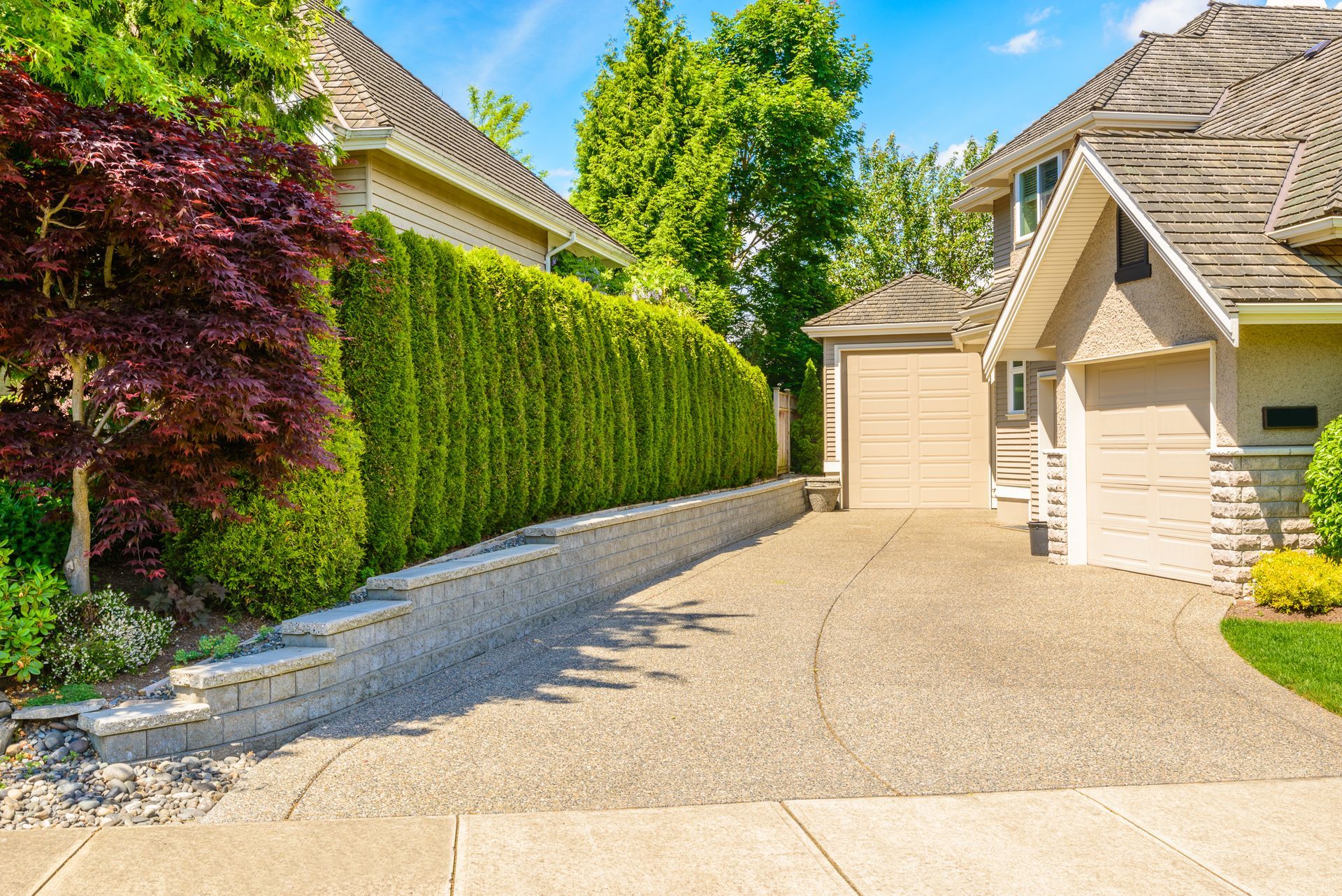
Segmental retaining wall blocks are the most popular pick for residential projects. They install fast, look clean, and come in many colors and textures. They're a strong middle-ground choice for budget and durability.
Natural Stone and Boulder Walls
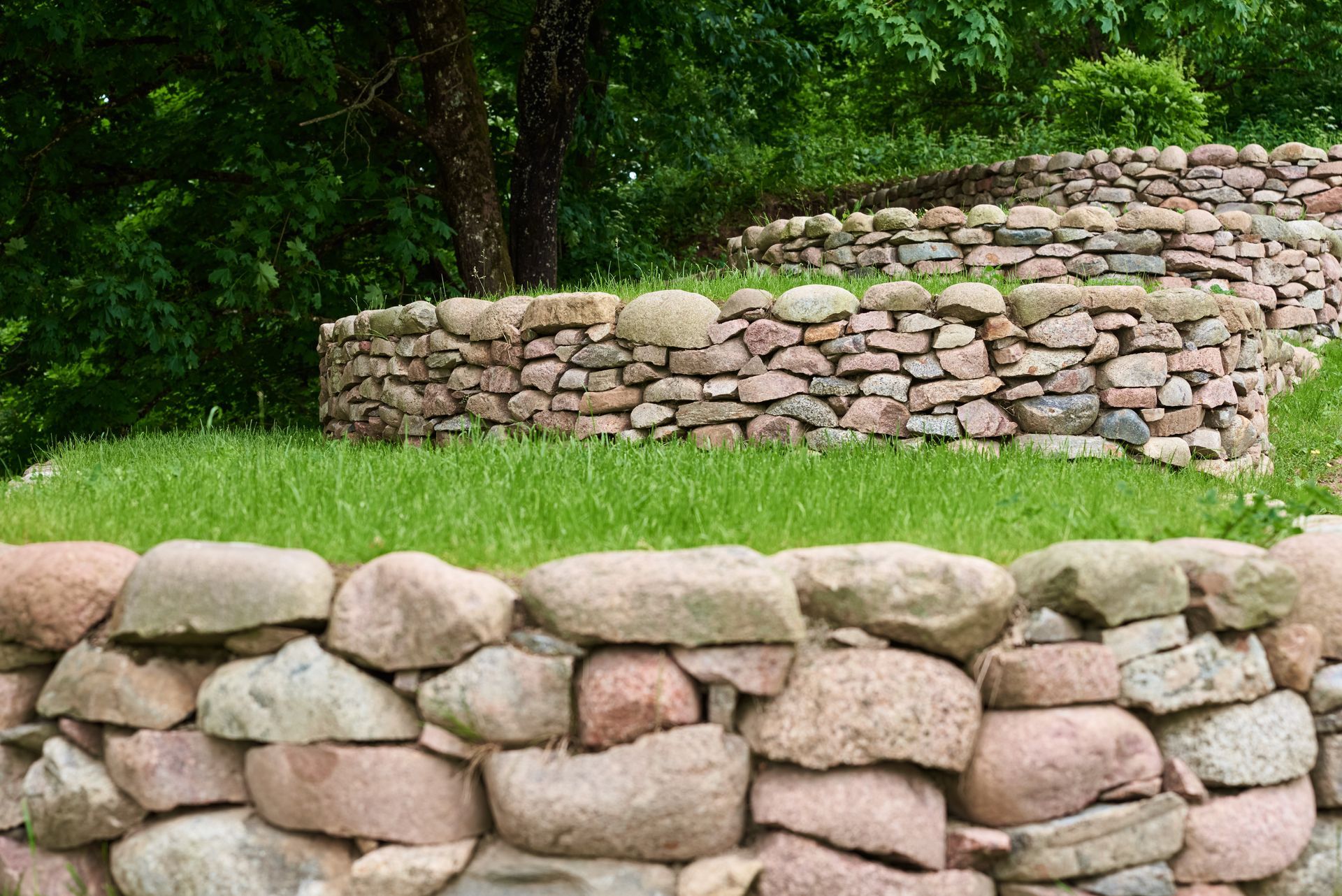
Natural stone walls bring the highest visual appeal but also the highest material and labor cost. Each stone is set by hand. Boulder walls cost a bit less than cut stone and give a more rugged, natural look.
Poured Concrete and Reinforced Walls
Poured concrete offers the strongest structural option for tall walls or heavy loads. The trade-off is higher cost from formwork, rebar, and concrete delivery. These walls also need finishing if you want them to look polished.
Timber and Budget-Friendly Options
Treated timber walls are the cheapest option upfront, but they have the shortest lifespan. They work well for low decorative walls or temporary fixes but rarely make sense for tall structural walls.
Site Preparation and Hidden Costs to Consider
Many homeowners focus on materials and miss the prep work that often makes up 20% to 30% of the total bill.
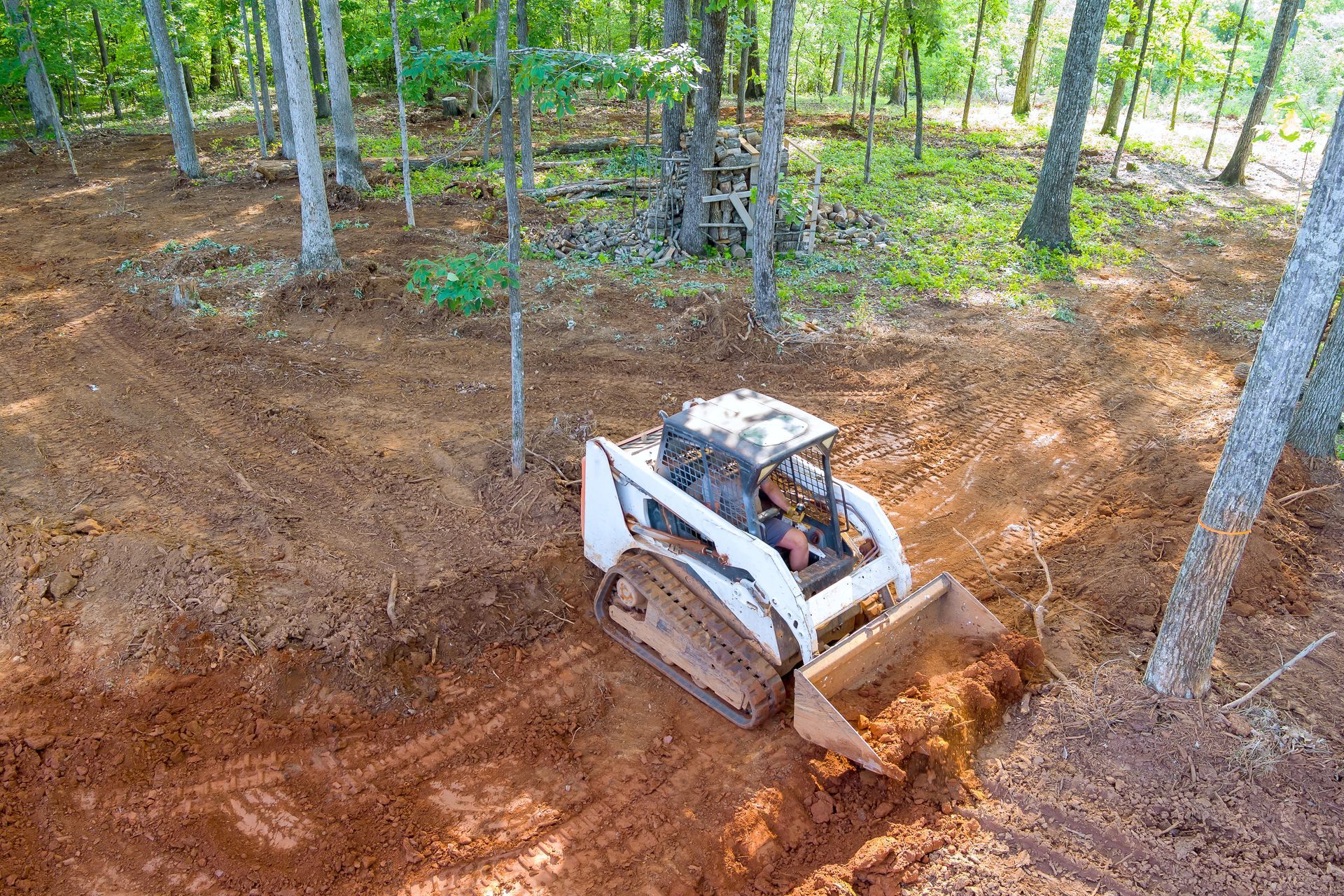
Excavation, Grading, and Land Preparation
Before a single block goes down, the site has to be dug out, leveled, and compacted. Excavation can run $1,500 to $5,000 for typical yards, more if there's heavy clay or rock.
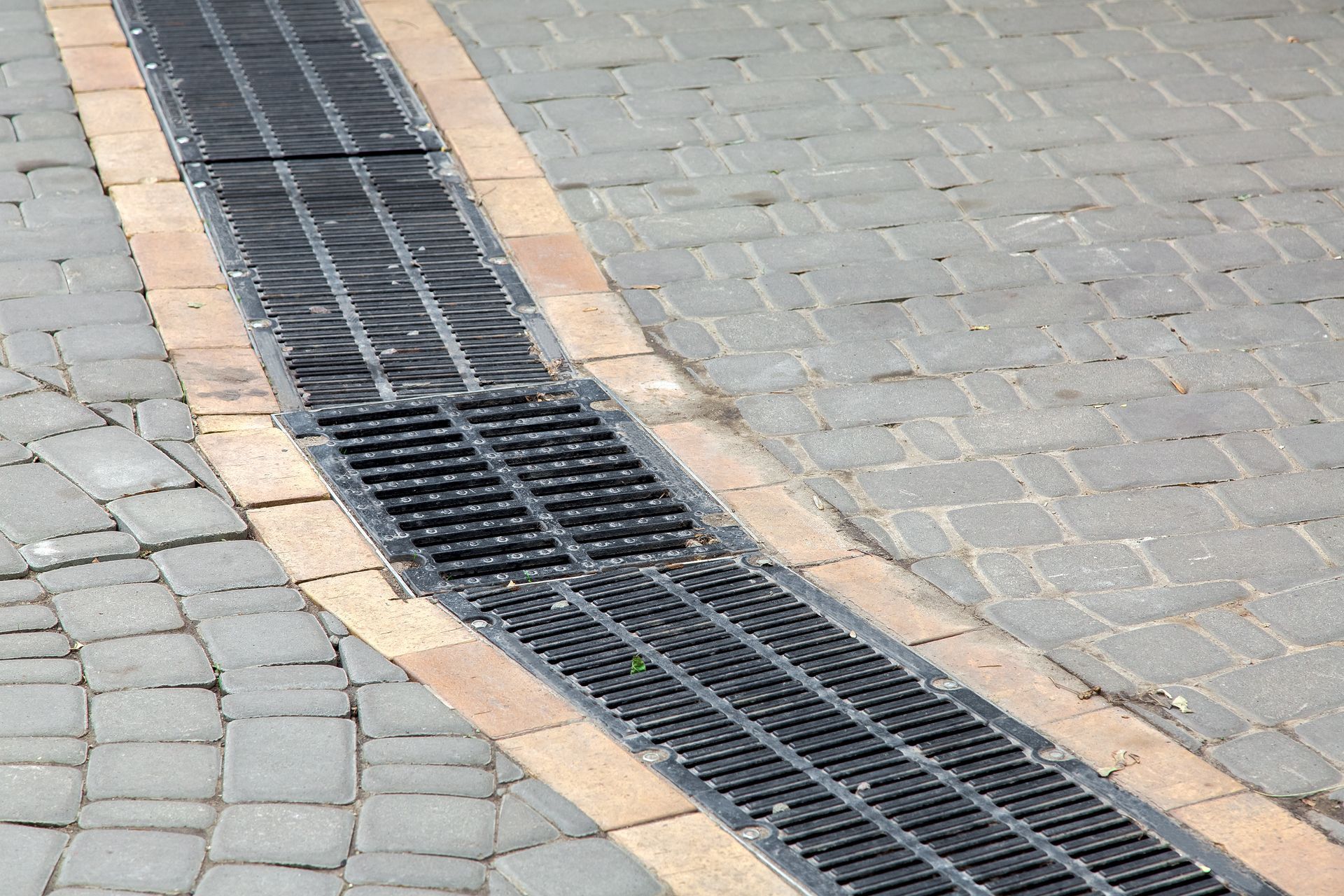
Drainage Systems and Water Management
Water is the number one killer of retaining walls. Most builds require gravel backfill, perforated drain pipe, and weep holes. Expect to add $5 to $15 per square foot for proper drainage. Skipping this step almost guarantees failure within a few years. For homes that already battle yard water issues, our drainage and irrigation services work hand in hand with new wall installations.
Permits, Engineering, and Inspections
Most cities require permits for walls over 3 to 4 feet. Engineering plans typically cost $500 to $2,500. Inspections add another small fee but are usually rolled into the permit cost.
Equipment and Hauling Costs
Skid steers, excavators, and dump trucks all cost money to bring on-site. Hauling away dirt and old materials adds up quickly, often $300 to $1,500 depending on volume.
Design and Structural Features That Increase Cost
Custom design is where budgets often grow beyond the original estimate.
Reinforcement and Geogrid Systems
Walls over 4 feet usually need geogrid, a layered mesh that ties the wall back into the soil. Geogrid adds $5 to $12 per square foot but is non-negotiable for tall walls.
Tiered and Multi-Level Retaining Walls
Two short walls often cost more than one tall wall, but they may avoid the need for engineering. Tiered walls also create planting beds and visual interest, which many homeowners prefer.
Curves, Corners, and Custom Layouts
Curved walls take longer to lay out and require more cuts. Corners and angles slow installation. Expect a 10% to 20% premium over a straight wall of the same length.
Integrated Features Like Steps and Seating
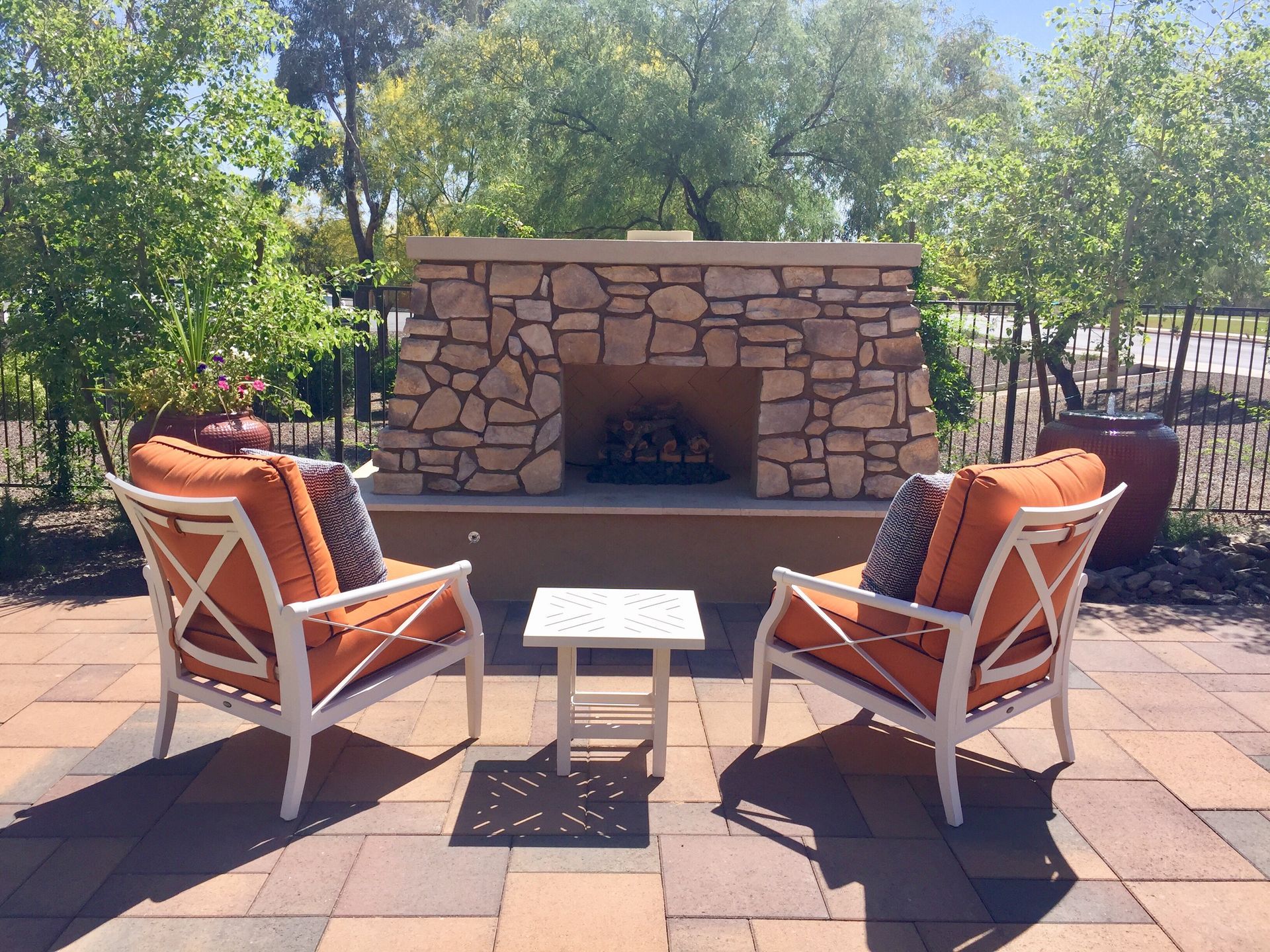
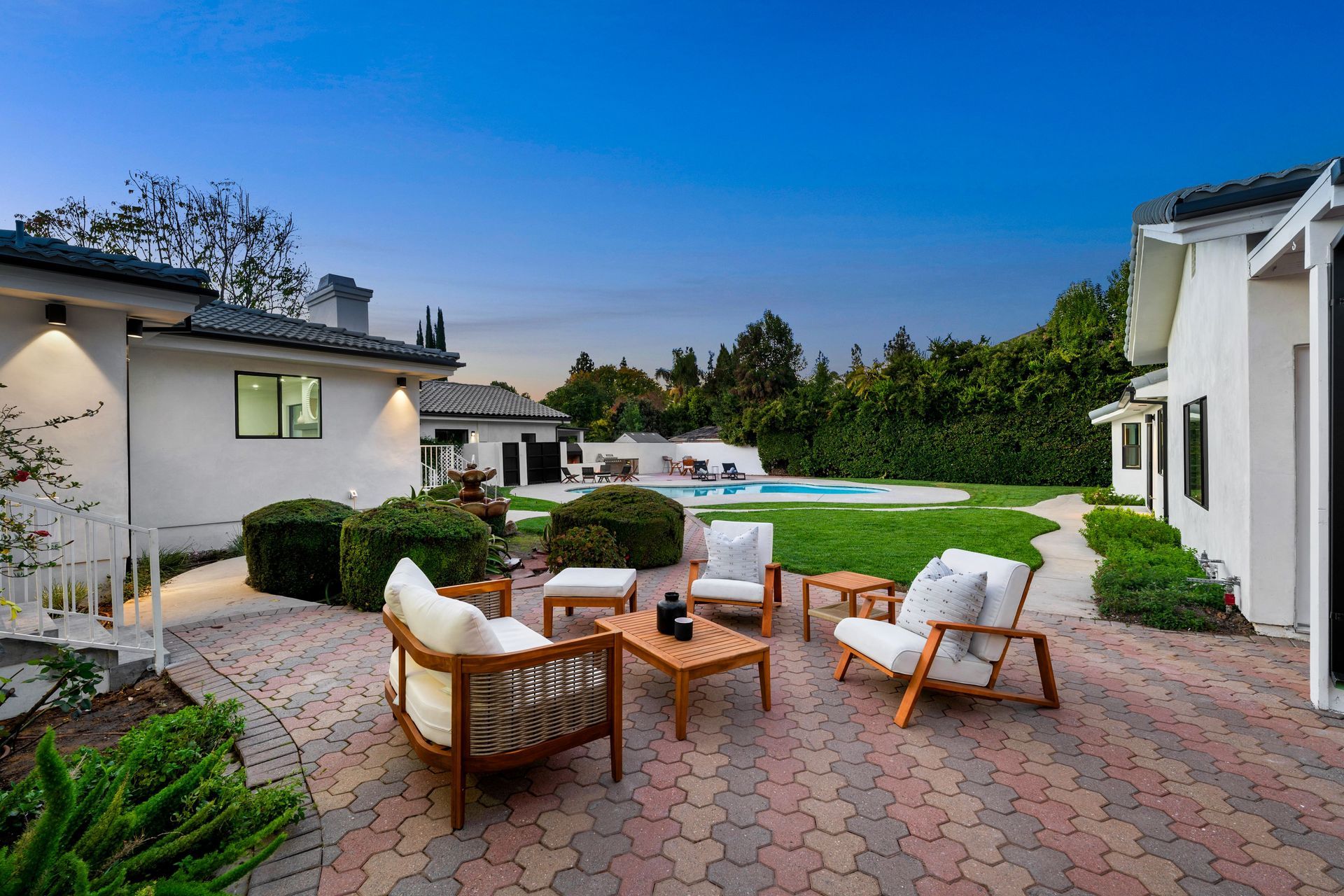
Built-in steps, lighting, and seat walls turn a simple structural wall into a finished landscape feature. These add real value but increase cost. Pairing your wall with paver patios and walkways creates a cohesive design that pays off long-term.
Labor and Contractor Pricing Explained
Labor is where pricing gets confusing. Knowing what's included helps you compare quotes fairly.
What Goes Into Professional Installation Costs
A complete install bid usually covers excavation, base preparation, materials, drainage, backfill, cleanup, and warranty. Be careful with low quotes that leave out drainage or backfill, since those are the most common hidden costs.
Regional Labor Price Differences
Labor rates vary by region. Coastal Texas, for example, often runs lower than major metro markets, but storm-prone soil conditions can offset some of that savings with extra drainage work.
DIY vs Professional Retaining Wall Costs
DIY can cut material-only costs in half, but most failed walls we replace are DIY jobs that skipped drainage or proper base prep. For walls under 2 feet on flat ground, DIY can work. Anything taller or on a slope is almost always cheaper to hire out long-term.
Cost Breakdown Example for a Typical Residential Project
Seeing where the money actually goes makes budgeting much easier.
Materials vs Labor Cost Split
For a typical 50-foot-long, 4-foot-tall segmental block wall, the cost split usually looks like this:
- Materials (blocks, base, gravel, geogrid): 35% to 45%
- Labor (excavation, install, finishing): 40% to 55%
- Drainage and backfill: 10% to 15%
- Permits and engineering: 2% to 5%
Budget Scenarios for Small, Medium, and Large Walls
Here's a quick reference for typical residential projects:
- Small wall (under 3 ft, 20 linear ft): $3,000 to $8,000
- Medium wall (3 to 5 ft, 30 to 50 linear ft): $10,000 to $20,000
- Large wall (over 5 ft, 50+ linear ft with engineering): $25,000 to $50,000+
How to Plan and Budget for Your Retaining Wall Project
A little planning upfront prevents most budget surprises.
Setting a Realistic Budget Based on Your Yard
Walk your yard with a contractor before fixing a number in your head. Slope, soil, and access can swing the cost by thousands. Most homeowners underestimate the prep work, not the materials.
Where to Save and Where to Invest
Saving in the wrong place ends up costing more later. Here's where it pays to spend, and where it's safe to cut:
- Invest in: drainage, base preparation, and proper materials for your wall height
- Invest in: professional installation for any wall over 3 feet
- Save on: decorative finishes, color upgrades, and integrated lighting
- Save on: premium stone facing if a quality block wall would do the job
Common Mistakes That Increase Costs
The most expensive mistakes we see are skipping drainage, choosing the wrong material for the soil, building too tall without engineering, and ignoring permits until inspectors stop the job. Each of these can double the cost of a fix later.
Choosing the Right Retaining Wall for Long-Term Value
The cheapest wall today often becomes the most expensive wall in ten years.
Balancing Cost, Durability, and Appearance
A good wall balances all three. Don't overspend on premium stone if a quality block system would last just as long. Don't underspend on a wall that has to hold back a steep slope.
Selecting Materials for Your Climate and Soil
Coastal climates with humidity, salt air, and heavy rain need materials that resist moisture and movement. Concrete block, segmental systems, and natural stone all hold up well. Timber struggles in wet, humid conditions.
Planning for Maintenance and Longevity
Even the best wall needs occasional checks. Look for cracks, bulges, or drainage issues each year. Catching small problems early prevents expensive rebuilds. Tying your wall into the rest of your yard with a thoughtful landscape design and installation plan also helps protect it from runoff and root damage. Our retaining wall service page covers our full process if you'd like to see how we approach these builds. For a deeper look at design options, our guide on top retaining wall ideas walks through the layouts homeowners ask about most.
Ready to Plan Your Retaining Wall Project
A retaining wall is one of the highest-impact investments you can make in your yard, both for function and curb appeal. Knowing what drives the cost helps you set a realistic budget and avoid the shortcuts that turn into expensive repairs later. If you're in the Coastal Bend, our team at CC Lawn Pros
serves Corpus Christi and surrounding areas with full retaining wall design and installation.
Get in touch when you're ready for an honest, detailed quote.
Frequently Asked Questions